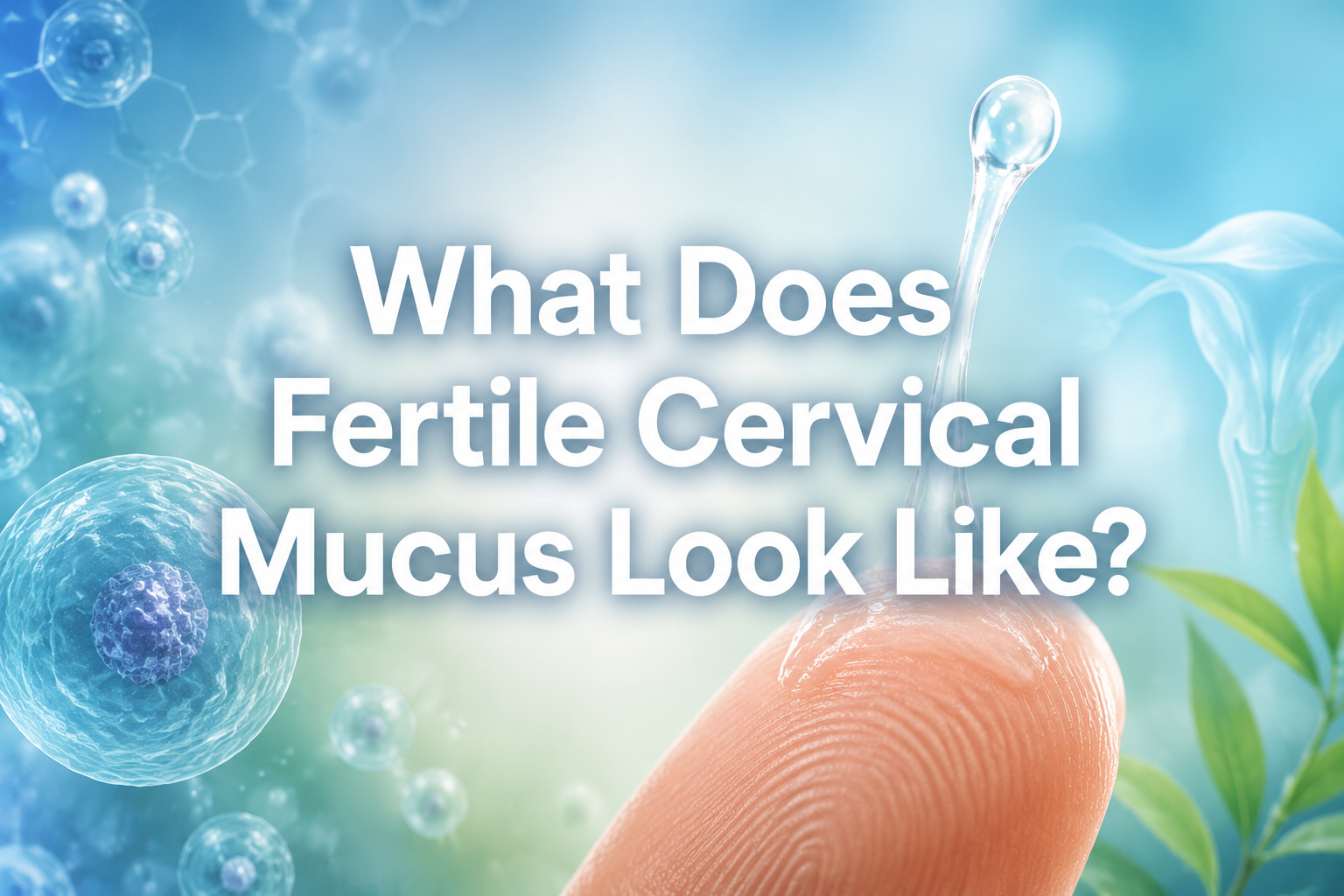
Quick Answer: Fertile cervical mucus, often described as "egg white cervical mucus" (EWCM), is typically clear, slippery, and very stretchy, resembling raw egg whites. This specific consistency is crucial for fertility, as it helps sperm travel efficiently through the cervix and survive in the reproductive tract to reach the egg. Recognizing this type of mucus can pinpoint your most fertile days.
Key Takeaways:
- Fertile cervical mucus, known as EWCM, is clear, slippery, and can stretch several centimeters between your fingers without breaking.
- Its appearance mimics raw egg whites, indicating peak fertility.
- EWCM provides a sperm-friendly environment, aiding sperm survival and movement towards the egg.
- Tracking cervical mucus changes throughout your menstrual cycle is a natural and effective way to identify your fertile window.
- Other mucus types (dry, sticky, creamy) signal different phases of your cycle, generally indicating lower fertility.
- Consistency in observation over several cycles helps establish your unique pattern.
- Hormonal fluctuations, hydration, and certain medications can influence cervical mucus.
- Combining mucus tracking with other fertility signs, like basal body temperature (BBT) and ovulation predictor kits (OPKs), offers a more accurate prediction.
Understanding the Role of Cervical Mucus in Fertility
Cervical mucus, a fluid produced by glands in the cervix, plays a pivotal role in female fertility by changing throughout the menstrual cycle to either facilitate or impede sperm movement. Understanding these changes, particularly what fertile cervical mucus looks like, is essential for anyone trying to conceive or understand their reproductive health in 2026. This natural secretion acts as a dynamic gatekeeper, providing a protective and nourishing environment for sperm during the fertile window, and a hostile one during other times.
The primary function of cervical mucus is to protect the uterus from bacteria and to either block or guide sperm. Its consistency, volume, and chemical composition are directly influenced by fluctuating hormone levels, primarily estrogen and progesterone. When estrogen levels rise as ovulation approaches, the mucus becomes more abundant and takes on its characteristic fertile qualities.
What Does Fertile Cervical Mucus Look Like?
Fertile cervical mucus, often referred to as Egg White Cervical Mucus (EWCM), typically looks clear, feels very slippery, and can be stretched between your fingers like raw egg whites without breaking. This distinct appearance is a key indicator of your most fertile period, signifying that ovulation is imminent or occurring.
When estrogen levels peak just before ovulation, the cervix produces this high-quality, clear, and elastic mucus. Its watery composition allows sperm to swim through easily, while its stretchy nature helps guide sperm upwards into the uterus. Moreover, EWCM helps to nourish and protect sperm from the acidic vaginal environment, extending their lifespan within the female reproductive tract. If you observe this type of mucus, it's a strong sign that you are in your fertile window and that your body is preparing for or undergoing ovulation. Many individuals use this visual cue as part of their fertility tracking methods.
 image illustrating different stages of cervical mucus on a white background, arranged in a](https://zsxkvszxbhpwnvzxdydv.supabase.co/storage/v1/object/public/generated-images/kie/015d09cf-80ef-4a6d-88c3-bfc166a479ea/slot-1-1778165728715.png) )
)
Characteristics of Fertile Cervical Mucus (EWCM):
- Appearance: Clear or translucent, similar to raw egg whites. It should not be cloudy or white.
- Consistency: Very slippery and wet, often described as feeling like lubrication.
- Stretchiness: When stretched between two fingers, it can extend several centimeters (1-5 cm or more) without breaking. This elasticity is crucial for sperm transport.
- Volume: Typically more abundant than other mucus types.
| Characteristic | Non-Fertile Mucus | Fertile Cervical Mucus (EWCM) |
|---|---|---|
| Color | White, yellow, cloudy | Clear, transparent |
| Consistency | Sticky, thick, creamy, crumbly | Slippery, watery |
| Stretch | Breaks easily, no stretch | Stretches 1-5+ cm without breaking |
| Feel | Dry, tacky, moist | Wet, lubricated |
| Purpose | Barrier against sperm | Aids sperm transport & survival |
Common Mistake: Confusing creamy or cloudy mucus for fertile mucus. While creamy mucus is often present as fertility increases, true EWCM is clear and highly stretchy. Always look for the egg white consistency for peak fertility.
Different Types of Cervical Mucus and Their Significance
The appearance and consistency of cervical mucus change throughout the menstrual cycle in response to varying hormone levels, offering vital clues about your fertility status. By observing these changes, individuals can track their cycle and identify their fertile window more accurately in 2026. Each type of mucus serves a specific purpose, either creating a hostile environment for sperm or a hospitable one.
Cycle Day 1-5 (Menstruation): During your period, menstrual blood masks any cervical mucus, so observations are usually not possible.
Post-Period (Dry Days):
- Appearance: Often none visible, or minimal, dry, and sticky.
- Consistency: Feels dry or slightly sticky.
- Significance: This indicates very low fertility. The vagina might feel dry, and there's usually not enough moisture to feel or see.
Developing Fertility (Sticky to Creamy Mucus): As estrogen levels begin to rise after menstruation, cervical mucus starts to appear:
- Sticky Mucus:
- Appearance: Thick, tacky, possibly crumbly or gummy. Can be white, yellowish, or opaque.
- Consistency: Feels sticky and dense, does not stretch.
- Significance: Indicates low fertility. This mucus forms a plug at the cervix, blocking sperm entry.
- Creamy Mucus:
- Appearance: White or yellowish, opaque, resembling lotion, cream, or yogurt.
- Consistency: Feels creamy, thick, and somewhat moist but not slippery. May stretch slightly but breaks quickly.
- Significance: Indicates increasing fertility, but not yet peak. Sperm can sometimes survive in creamy mucus, but movement is hindered.
Peak Fertility (Egg White Cervical Mucus - EWCM):
- Appearance: Clear, transparent, resembling raw egg whites.
- Consistency: Very slippery, wet, and elastic. Stretches significantly (1-5 cm or more) without breaking.
- Significance: This is the most fertile type of mucus, indicating ovulation is imminent or occurring. It actively helps sperm survival and transport. Tracking EWCM is a key component of identifying your fertile window.
Post-Ovulation (Sticky to Dry): After ovulation, progesterone levels rise, causing the mucus to become thick, sticky, and eventually dry again:
- Appearance: Returns to sticky, cloudy, or dry.
- Consistency: Becomes thick, tacky, and less stretchy.
- Significance: Indicates that the fertile window has closed. The mucus forms a plug, preventing sperm from entering the uterus. This phase continues until menstruation begins.
Understanding these transitions is crucial for those trying to pinpoint the best days to get pregnant in 2026.
 infographic-style image comparing common cervical mucus types, including fertile mucus. Four distinct sections,](https://zsxkvszxbhpwnvzxdydv.supabase.co/storage/v1/object/public/generated-images/kie/015d09cf-80ef-4a6d-88c3-bfc166a479ea/slot-2-1778165726220.png) )
)
Decision Rule: If you are trying to conceive, prioritize intercourse when you observe EWCM, as this signals your highest chance of pregnancy. If you see sticky or creamy mucus, fertility is generally lower, but still possible as you approach EWCM.
How to Check for Fertile Cervical Mucus
Checking your cervical mucus is a straightforward and natural method for fertility awareness that can be done at home. Consistent and careful observation can help you identify your fertile window, especially what fertile cervical mucus looks like, and better understand your menstrual cycle. It’s important to perform this check daily, preferably at the same time, to notice subtle changes.
Methods for Checking Cervical Mucus:
-
Tissue Method (External):
- After using the restroom, wipe your vulva with a piece of toilet paper.
- Observe the mucus on the paper: note its color, consistency, and how it feels (e.g., sticky, creamy, wet). This method is good for noticing initial changes.
-
Finger Method (Internal/External):
- Wash and dry your hands thoroughly.
- Insert a clean finger (usually the middle or index finger) into your vagina, reaching close to your cervix. Alternatively, you can collect mucus from the opening of your vagina.
- Withdraw your finger and observe the mucus.
- The Stretch Test: Gently press your thumb and index finger together with the collected mucus, then slowly separate them. Measure how far the mucus stretches before breaking.
- Dry/Sticky: Breaks immediately, doesn't stretch.
- Creamy: Stretches slightly (less than 1 cm), breaks quickly.
- EWCM: Stretches 1-5+ cm without breaking, clear and slippery.
-
Visual Observation (Underwear):
- Pay attention to any discharge you notice on your underwear throughout the day. While less precise for the stretch test, it can indicate overall moisture levels and initial changes.
Tips for Accurate Observation:
- Consistency is Key: Check your mucus daily at a similar time. First thing in the morning after showering or after a bowel movement can be ideal.
- Avoid Contamination: Do not check immediately after intercourse, douching, or using vaginal medications, as these can alter the appearance of mucus.
- Hydration: Staying well-hydrated can impact mucus quality, as dehydration may lead to less abundant mucus.
- Chart Your Findings: Keep a detailed chart of your mucus observations alongside other fertility signs like basal body temperature (BBT) or ovulation predictor kit (OPK) results. This helps you recognize patterns over several cycles.
- Patience: It may take a few cycles to confidently identify the different types of mucus and pinpoint your personal EWCM pattern.
Edge Case: Some individuals might experience less noticeable EWCM due to hormonal imbalances, certain medications (like antihistamines), or specific health conditions. In such cases, combining mucus tracking with other methods like OPKs or BBT is highly recommended.
Factors Influencing Cervical Mucus and Fertility
Several factors can influence the appearance, quantity, and quality of cervical mucus, potentially affecting your ability to identify fertile signs and impacting fertility. Understanding these influences is crucial for accurately interpreting what fertile cervical mucus looks like in 2026.
Hormonal Factors:
- Estrogen & Progesterone: These are the primary hormones regulating cervical mucus production. High estrogen levels before ovulation produce fertile, stretchy mucus (EWCM). After ovulation, progesterone becomes dominant, causing mucus to thicken and dry.
- Hormonal Imbalances: Conditions like Polycystic Ovary Syndrome (PCOS) can cause irregular ovulation and inconsistent mucus patterns.
- Perimenopause: As women approach menopause, hormonal fluctuations can lead to irregular cycles and less fertile mucus.
Lifestyle and Environmental Factors:
- Hydration: Dehydration can reduce the overall volume and quality of cervical mucus, making it harder to identify EWCM.
- Stress: High stress levels can impact ovulation and hormone balance, potentially altering mucus patterns.
- Diet: While no specific diet guarantees EWCM, a balanced diet rich in essential nutrients supports overall reproductive health. Some advocate for consuming healthy fats and omega-3s.
- Exercise: Moderate exercise is beneficial, but excessive or strenuous exercise can sometimes disrupt hormonal balance and ovulation.
Medical and Medication Factors:
- Antihistamines: Medications used to treat allergies (e.g., antihistamines) can dry up mucous membranes throughout the body, including those in the cervix, potentially reducing EWCM.
- Fertility Medications: Drugs like Clomid (clomiphene citrate) can sometimes thin the uterine lining or dry up cervical mucus, making EWCM less prominent. Your doctor may suggest other medications to counteract this.
- Birth Control: Hormonal contraceptives are designed to prevent ovulation and thicken cervical mucus, making it hostile to sperm.
- Vaginal Infections: Conditions like yeast infections or bacterial vaginosis can alter the appearance, smell, and consistency of vaginal discharge, making it difficult to differentiate from normal cervical mucus.
- Douching: Douching can wash away beneficial bacteria and cervical mucus, disrupting natural pH and making it harder to track fertility.
Other Factors:
- Breastfeeding: Hormones associated with breastfeeding can suppress ovulation and lead to little to no fertile cervical mucus.
- Recent Intercourse: Semen can be confused with cervical mucus, so it's best to check mucus several hours after intercourse.
- Age: As women age, the quantity and quality of EWCM may naturally decrease, even for those still ovulating. For example, understanding what your chances of getting pregnant at 30 are may include considering this factor.
Choosing a Method: If you're struggling to identify EWCM due to influencing factors, consider using a combination of methods, such as tracking your basal body temperature (BBT) and using ovulation predictor kits (OPKs), for a more comprehensive understanding of your fertile window.
Combining Cervical Mucus Tracking with Other Fertility Methods
While tracking cervical mucus is a valuable fertility awareness method on its own, combining it with other techniques offers a more comprehensive and accurate picture of your fertile window. By cross-referencing multiple signs, you can increase your confidence in identifying when ovulation is most likely to occur and what fertile cervical mucus looks like in relation to other bodily changes.
1. Basal Body Temperature (BBT) Tracking:
- What it is: Your basal body temperature is your lowest resting body temperature.
- How it works: After ovulation, the rise in progesterone causes a slight but sustained increase in BBT (typically 0.4 to 1.0 degrees Fahrenheit).
- Combination Benefit: You will usually observe EWCM before the BBT shift. The BBT rise confirms that ovulation has already occurred, while EWCM predicts it. This allows you to time intercourse before the temperature rise for the highest chance of conception. Our BBT calculator can help you chart these changes.
2. Ovulation Predictor Kits (OPKs):
- What it is: At-home urine tests that detect a surge in Luteinizing Hormone (LH).
- How it works: An LH surge precedes ovulation by approximately 12-36 hours.
- Combination Benefit: OPKs provide a more direct prediction of ovulation than cervical mucus alone. Using them alongside mucus tracking allows you to see if your EWCM aligns with your LH surge, further confirming your fertile window. If you're noticing EWCM, it's a great time to start using an OPK. Advanced options like an AI ovulation predictor can even integrate data from various sources for more accurate predictions.
3. Cycle Tracking Apps:
- What it is: Digital tools for logging fertility signs.
- How it works: You input data such as period dates, cervical mucus observations, BBT, and OPK results. The app uses algorithms to predict your fertile window and ovulation date.
- Combination Benefit: Apps help organize and interpret your data, often highlighting patterns you might miss. They provide a visual representation of your cycle, making it easier to see how all your fertility signs align.
4. Cervical Position and Softness:
- What it is: The position, texture, and opening of your cervix.
- How it works: As ovulation approaches, the cervix typically becomes higher, softer (like lips), and more open. After ovulation, it returns to a lower, firmer (like the tip of your nose), and closed position.
- Combination Benefit: This is another physical sign that can corroborate your cervical mucus observations. When you see EWCM, you might also notice your cervix feels higher, softer, and more open.
Example Scenario: "In the week leading up to predicted ovulation, I began noticing sticky, then creamy cervical mucus. Around day 12 of my cycle, I observed classic EWCM—clear, slippery, and stretching over 3 cm! I started using an OPK that day, and it showed a positive LH surge. The next morning, my BBT spiked, confirming ovulation had occurred. This combination of signs clearly pinpointed my peak fertile window, increasing my confidence in timing intercourse."
By integrating these methods, you gain a more robust understanding of your fertility, helping to identify your most fertile days with greater precision in 2026.
When to Seek Medical Advice
While tracking cervical mucus is a helpful tool for fertility awareness, there are instances when persistent irregularities or concerns warrant a consultation with a healthcare professional. Knowing when to seek medical advice ensures that any underlying issues are addressed and that you receive appropriate guidance on your fertility journey.
You should consider consulting a doctor or fertility specialist if you experience any of the following:
- Absence of Fertile Cervical Mucus (EWCM): If you consistently do not observe any egg white cervical mucus, even when other signs suggest ovulation (e.g., positive OPK, BBT rise), it could indicate a hormonal imbalance or other factors impacting mucus production. This can be particularly concerning if you are actively trying to conceive.
- Irregular or Absent Periods: Irregular cycles make it difficult to predict ovulation and track mucus changes. Absent periods (amenorrhea) usually mean you're not ovulating, which requires medical investigation.
- Abnormal Mucus Appearance or Odor: If your cervical mucus has an unusual color (e.g., green, grey), a foul odor, causes itching or burning, or is accompanied by pain, it could be a sign of a vaginal infection (like yeast infection or bacterial vaginosis) or a sexually transmitted infection (STI). These conditions can affect fertility and require treatment.
- Difficulty Conceiving After Consistent Tracking: If you have been consistently tracking your fertile window, including what fertile cervical mucus looks like, for 6-12 months (depending on age) without conceiving, it’s advisable to consult a doctor. For women under 35, 12 months is generally the guideline; for those 35 and older, it's 6 months. Our pregnancy odds calculator can help you assess your general chances.
- Other Concerning Symptoms: Persistent pelvic pain, unusually heavy or painful periods, unexplained weight changes, excessive hair growth, or acne alongside fertility challenges should be discussed with a doctor, as these could indicate underlying conditions like endometriosis, PCOS, or thyroid issues.
- Known Medical Conditions: If you have a pre-existing medical condition (e.g., thyroid disorder, autoimmune disease) or are taking medications that could affect fertility, discuss your fertility tracking and concerns with your doctor.
A healthcare provider can offer tests to assess hormonal levels, check for infections, evaluate ovarian reserve, and provide personalized advice based on your specific situation. This ensures you receive the most accurate diagnosis and treatment plan for your fertility goals in 2026.
Conclusion
Understanding "What Does Fertile Cervical Mucus Look Like?" is a powerful and natural tool for fertility awareness, providing direct insight into your body's readiness for conception. The presence of clear, slippery, and highly stretchy "egg white cervical mucus" (EWCM) is a reliable indicator of your most fertile days, signaling that ovulation is imminent or occurring. By consistently observing and charting these changes, you can significantly enhance your ability to pinpoint your fertile window.
While tracking cervical mucus is effective on its own, integrating it with other methods like basal body temperature (BBT) monitoring and ovulation predictor kits (OPKs) creates a more robust and accurate fertility awareness strategy. Remember that various factors, including hormones, hydration, and medications, can influence mucus quality, so consistent tracking and patience are key. If you encounter persistent irregularities, an absence of fertile mucus, or have concerns about your fertility, consulting a healthcare professional is always the best next step to ensure you receive personalized guidance and support on your journey to conception in 2026.
FAQ
Q1: What color is fertile cervical mucus?
A1: Fertile cervical mucus is typically clear and transparent, resembling raw egg whites. It should not be cloudy, white, yellow, or opaque when at its most fertile.
Q2: How much fertile cervical mucus is normal?
A2: The volume of fertile cervical mucus can vary, but it's generally more abundant than other types of mucus. You should notice enough to easily collect and perform the stretch test.
Q3: Can I have fertile cervical mucus and not ovulate?
A3: It is possible. The presence of EWCM indicates rising estrogen, which prepares the body for ovulation. However, some individuals may experience an estrogen surge without actually releasing an egg, which is called an anovulatory cycle.
Q4: How long does fertile cervical mucus last?
A4: Fertile cervical mucus typically lasts for a few days leading up to and including ovulation, usually 2-5 days, with the most fertile quality (peak EWCM) often lasting 1-2 days.
Q5: What does non-fertile cervical mucus look like?
A5: Non-fertile cervical mucus can range from dry/absent (least fertile) to sticky, thick, or creamy and opaque (low fertility). It will not stretch significantly and may break easily or be crumbly.
Q6: Can certain medications affect cervical mucus?
A6: Yes, certain medications, particularly antihistamines, decongestants, and some fertility drugs like Clomid, can dry up or alter the quality of cervical mucus, making it less fertile or harder to observe.
Q7: Why is fertile cervical mucus important for getting pregnant?
A7: Fertile cervical mucus creates an ideal environment for sperm. Its watery, alkaline, and slippery nature helps sperm survive the acidic vaginal environment, travel efficiently through the cervix into the uterus, and provides nourishment for them to reach the egg.
Q8: Should I check cervical mucus every day?
A8: Yes, checking cervical mucus daily, preferably at the same time each day, helps you recognize the subtle but progressive changes that occur throughout your menstrual cycle and pinpoint your most fertile window.
Q9: Can I confuse semen with cervical mucus?
A9: Yes, semen can easily be confused with fertile cervical mucus due to its similar slippery consistency. It's best to wait several hours after intercourse to check your cervical mucus for accurate observation.
Q10: Does fertile cervical mucus always mean I'm about to ovulate?
A10: While fertile cervical mucus is a strong indicator of impending ovulation, it signals that your body is preparing. Ovulation typically occurs within 1-2 days after the peak day of EWCM.
Q11: What if I never see fertile cervical mucus?
A11: If you consistently do not observe fertile cervical mucus, even when tracking for several cycles, it's advisable to consult a healthcare professional. It could be due to hormonal imbalances, hydration, or other factors that a doctor can assess.
Q12: Is fertile cervical mucus always clear?
A12: Yes, the most fertile cervical mucus (EWCM) should be clear and transparent. If it's consistently cloudy, opaque, or has an unusual color, it might indicate a different stage of your cycle or potentially an infection.