Trying to conceive a baby can be one of life's most exciting journeys, but it often comes with a host of questions, particularly: How long does it take to get pregnant naturally? Many couples wonder about the typical timeline for conception, the factors that influence it, and when to seek professional guidance. While the desire for a baby can make every month feel like an eternity, understanding the natural process and its variability can help manage expectations and reduce stress. This comprehensive guide will explore the realistic timelines, key factors, and essential tips for couples aiming to conceive naturally in 2026.
Key Takeaways
- Most couples (around 85%) conceive naturally within one year of trying, with the majority doing so within the first six months.
- Age is a primary factor influencing conception time, with fertility declining significantly after age 35 for women.
- Timing intercourse around ovulation is crucial, as the fertile window is only about 6 days long each cycle.
- Tracking ovulation using methods like ovulation predictor kits (OPKs), basal body temperature (BBT), or a Fertile Window Calculator can significantly improve your chances.
- Lifestyle factors such as diet, exercise, stress, and avoiding smoking/excessive alcohol play a vital role in natural fertility.
- It's generally recommended to seek medical advice if you haven't conceived after one year of unprotected intercourse (or six months if you're over 35).
- Understanding your body and menstrual cycle is empowering when trying to get pregnant naturally.
Quick Answer
Most healthy couples aiming to get pregnant naturally will conceive within 6 to 12 months of consistent, unprotected intercourse, ideally timed around ovulation. About 30% of couples conceive in the first month, 60% within three months, 80% within six months, and approximately 85% within one year. However, this timeline can vary significantly based on age, overall health, and lifestyle factors.
What is the Typical Timeline for Getting Pregnant Naturally?
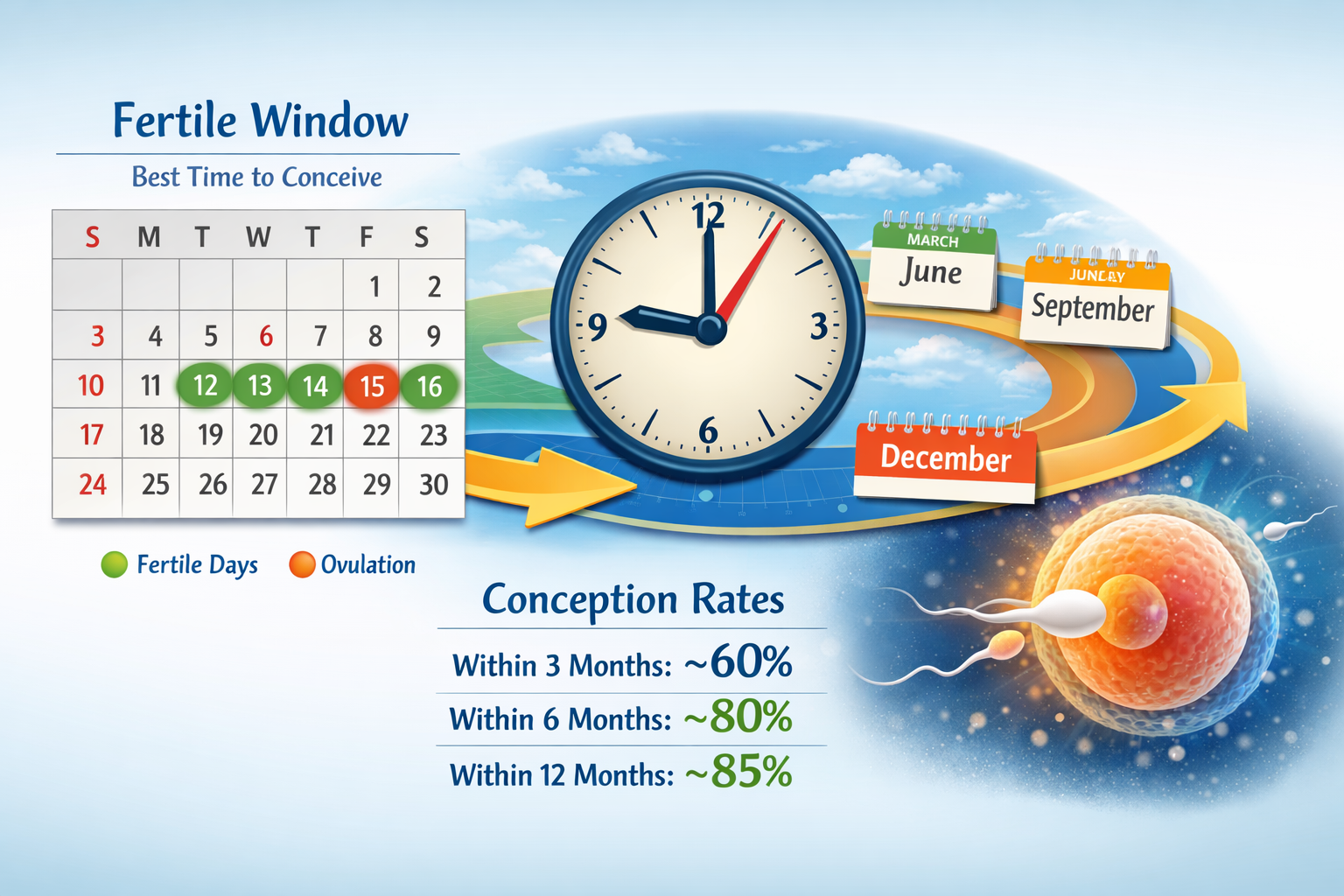
The typical timeline for getting pregnant naturally varies, but most healthy couples achieve conception within a year of trying. For couples under 35 with no known fertility issues, approximately 80-85% will get pregnant within 12 months, with a significant portion conceiving much sooner.
The journey to conception isn't always linear, and it's essential to understand the statistical probabilities over time:
- Within 1 month: Around 30% of couples will conceive. This often happens when timing is perfect and both partners have optimal fertility.
- Within 3 months: Approximately 60% of couples successfully get pregnant. Consistent tracking of the fertile window and regular intercourse during this period significantly increases these odds.
- Within 6 months: About 80% of couples achieve pregnancy. This six-month mark is often a common benchmark, as it reflects a reasonable period for most healthy couples to conceive.
- Within 12 months: Roughly 85% of couples will conceive naturally. If you've been trying for a year without success, especially if you're under 35, it's generally advised to consult a healthcare professional.
- Within 2 years: Around 90-95% of couples will conceive if they continue trying. The remaining 5-10% may experience infertility and might require medical intervention.
It's important to remember that these are averages. Some couples may conceive quicker, while for others, it may take longer, even without underlying fertility issues. Factors like the regularity of sexual intercourse, understanding the woman's menstrual cycle, and overall health play crucial roles. You can estimate your personal odds using a Pregnancy Odds Calculator.
How Does Age Influence How Long It Takes to Get Pregnant Naturally?
Age is one of the most significant factors influencing how long it takes to get pregnant naturally, particularly for women, due to the natural decline in egg quality and quantity. While men's fertility also declines with age, the impact is generally less pronounced and occurs later in life compared to women.
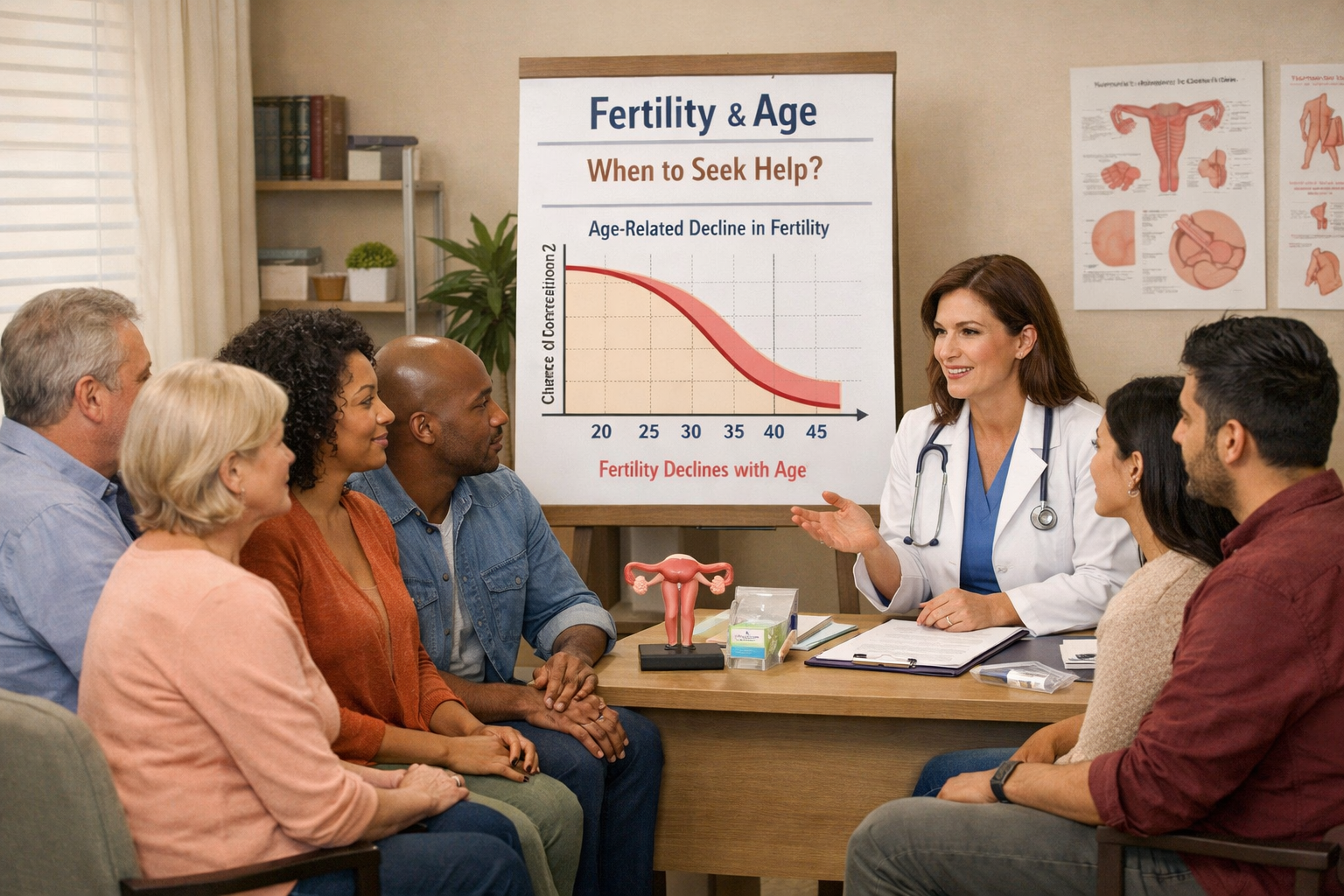
For women, fertility is generally at its peak in their 20s and early 30s, gradually decreasing after age 32 and more sharply after 37.
Here's how age typically impacts conception time:
- Under 30: Most fertile period. Couples often conceive within a few months, with over 80% getting pregnant within a year.
- 30-34: Fertility remains strong, though conception might take slightly longer than in the 20s. About 75% of couples will conceive within a year.
- 35-39: A noticeable decline in fertility. The chances of conceiving naturally in any given month decrease, and it may take longer. For women over 35, doctors recommend seeking fertility evaluation after six months of trying, rather than waiting a full year. The risk of miscarriage also increases.
- 40 and Over: Conception becomes significantly more challenging due to the accelerated decline in egg quality and quantity. The chances of getting pregnant naturally are much lower, and the risk of complications for both mother and baby rises.
For men, fertility typically starts to decline after age 40, affecting sperm quality and quantity, which can also influence the time to conception, though usually less dramatically than female age. Therefore, understanding both partners' ages and their potential implications is key when asking, "How long does it take to get pregnant naturally?" You can explore your chances further with a Pregnancy Chance by Age Calculator.
What Role Does Ovulation Play in Getting Pregnant Naturally?
Ovulation plays the central role in getting pregnant naturally, as it is the only time an egg is released and available for fertilization. Understanding and accurately identifying the fertile window around ovulation is the single most important step for couples trying to conceive.
The female body is only fertile for a short period each month:
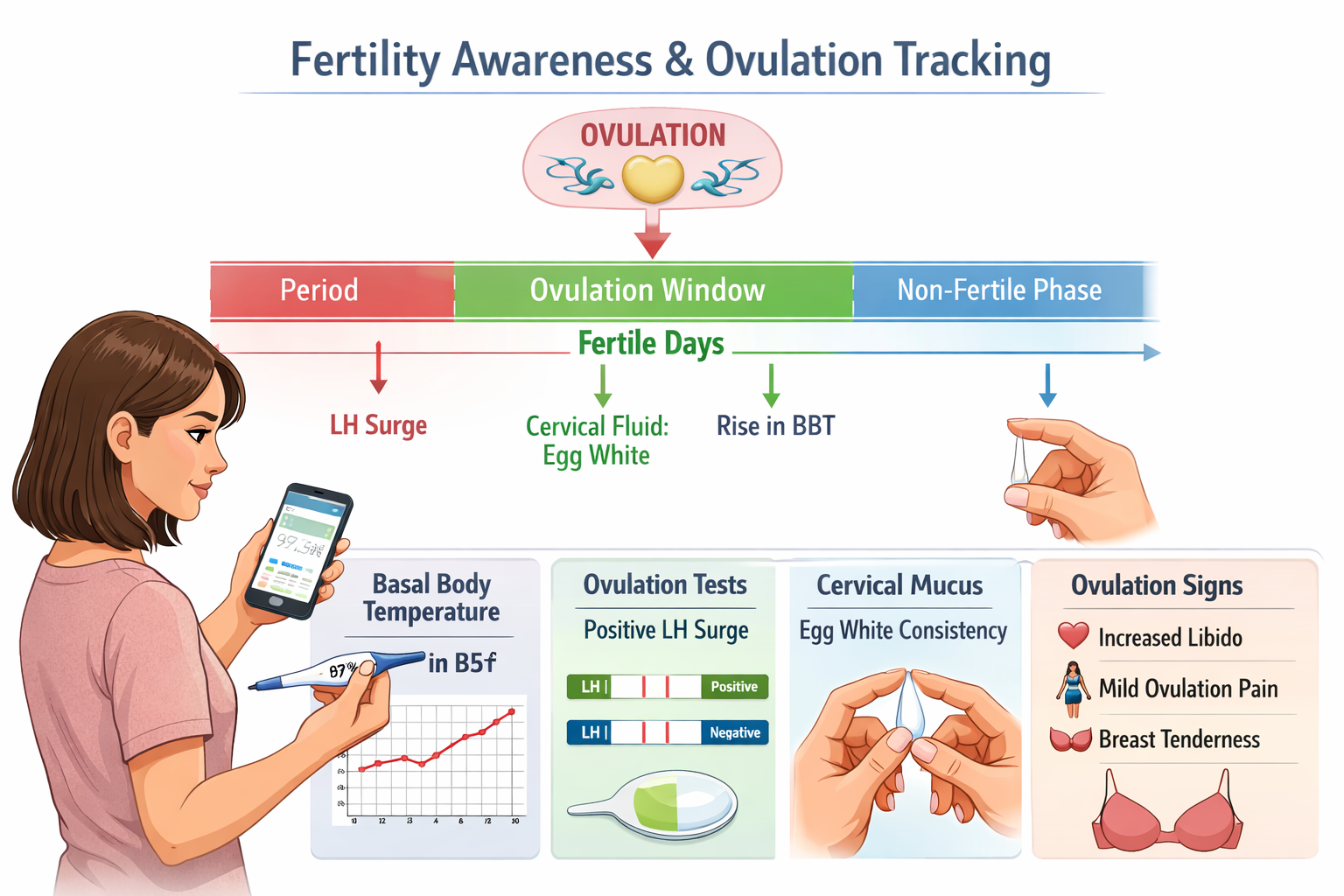
- The Fertile Window: This window typically spans about six days, encompassing the five days leading up to ovulation and the day of ovulation itself. Sperm can survive in the female reproductive tract for up to five days, meaning intercourse several days before ovulation can still lead to pregnancy. The egg, however, is only viable for 12-24 hours after release.
- Optimal Timing: To maximize the chances of getting pregnant naturally, intercourse should be timed to occur during this fertile window, especially in the 2-3 days immediately preceding and including ovulation.
- Tracking Ovulation: Various methods can help pinpoint ovulation:
- Ovulation Predictor Kits (OPKs): These urine tests detect a surge in luteinizing hormone (LH), which signals that ovulation is likely to occur within 24-48 hours.
- Basal Body Temperature (BBT): Tracking BBT daily can reveal a slight rise (0.5-1 degree Fahrenheit) after ovulation, confirming that it has occurred. While it confirms ovulation retroactively, consistent tracking helps predict future cycles. You can use a BBT Chart Tool for this.
- Cervical Mucus Changes: Observing changes in cervical mucus can also indicate fertility. Mucus typically becomes clear, slippery, and stretchy (like raw egg whites) around ovulation, making it easier for sperm to travel.
- Cycle Tracking Apps and Calculators: Tools like an Easy Ovulation Calculator or an AI Ovulation Predictor can help estimate your fertile window based on your cycle length.
Common Mistake: A common misconception is that intercourse needs to happen exactly on the day of ovulation. While that day is highly fertile, having intercourse in the days leading up to it is equally, if not more, important, as it ensures sperm are present and ready when the egg is released. Regular intercourse (every 1-2 days) during the fertile window provides the best chances for getting pregnant naturally.
Which Lifestyle Factors Impact How Long It Takes to Get Pregnant Naturally?
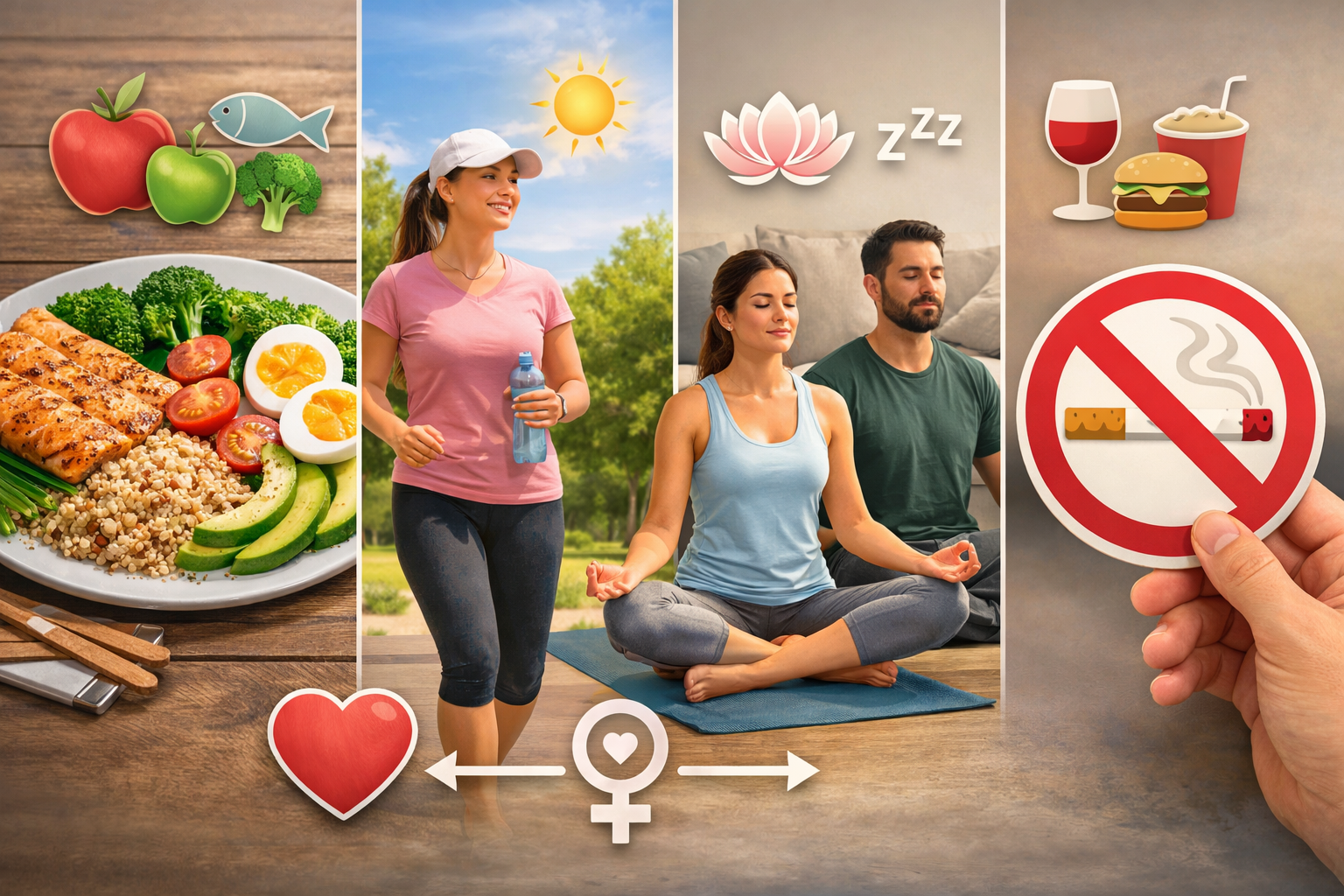
Numerous lifestyle factors can significantly impact how long it takes to get pregnant naturally, affecting both male and female fertility. Adopting healthy habits can optimize your chances of conception and improve overall reproductive health.
Here are key lifestyle factors to consider:
- Diet and Nutrition:
- Balanced Diet: A diet rich in fruits, vegetables, whole grains, lean proteins, and healthy fats supports overall health and reproductive function.
- Folic Acid: Women should start taking a prenatal vitamin with at least 400 micrograms of folic acid before conception to prevent neural tube defects.
- Avoid Processed Foods: Limiting highly processed foods, excessive sugar, and unhealthy fats can improve fertility outcomes.
- Weight Management:
- Healthy BMI: Being underweight or overweight can disrupt hormonal balance and ovulation in women, and affect sperm quality in men. Maintaining a healthy Body Mass Index (BMI) is crucial for optimal fertility.
- Exercise:
- Moderate Activity: Regular, moderate exercise is beneficial. However, excessive or very strenuous exercise can sometimes negatively impact ovulation in women.
- Stress Levels:
- Stress Reduction: High stress levels can interfere with hormonal regulation and menstrual cycles. Practicing stress-reduction techniques like yoga, meditation, or mindfulness can be helpful.
- Smoking and Alcohol:
- Quit Smoking: Smoking significantly reduces fertility in both men and women, increases miscarriage risk, and can harm fetal development. Quitting is paramount.
- Limit Alcohol: Excessive alcohol consumption can impair fertility. It's generally advised for women to avoid alcohol entirely when trying to conceive and during pregnancy, and for men to limit intake.
- Caffeine Intake:
- Moderate Amounts: While some studies suggest very high caffeine intake might affect fertility, moderate consumption (e.g., one or two cups of coffee a day) is generally considered safe.
- Environmental Toxins:
- Reduce Exposure: Certain environmental toxins and chemicals (e.g., pesticides, industrial chemicals) can negatively impact fertility. Limiting exposure where possible is advisable.
Decision Rule: Choose to adopt a preconception health plan before you start trying to conceive. This proactive approach can address many of these lifestyle factors, optimizing your body for pregnancy and potentially reducing the time it takes to get pregnant naturally. For example, a woman with irregular cycles due to extreme exercise might consider reducing intensity to normalize ovulation.
When Should You Seek Medical Advice if You're Not Getting Pregnant Naturally?
You should seek medical advice if you have been consistently trying to get pregnant naturally for a specific period without success, or if certain risk factors are present. Early consultation can help identify and address potential fertility challenges more quickly.
Here are the general guidelines for when to consult a healthcare professional:
- After 12 months of trying: If you are under 35 years old and have been having regular, unprotected intercourse for 12 months without conceiving, it is time to consult your doctor or a fertility specialist.
- After 6 months of trying: If you are 35 years old or older, you should seek medical advice after 6 months of trying to conceive. Female fertility declines more rapidly after age 35, making earlier intervention potentially more effective.
- Immediately, regardless of time trying, if:
- Irregular Periods: You have very irregular or absent menstrual cycles, which may indicate ovulation problems.
- Known Medical Conditions: You or your partner have a known history of conditions that could affect fertility, such as polycystic ovary syndrome (PCOS), endometriosis, pelvic inflammatory disease, male factor infertility (e.g., varicocele), or a history of sexually transmitted infections.
- Previous Miscarriages: You have a history of two or more consecutive miscarriages.
- Prior Treatments: You or your partner have undergone cancer treatment that could impact reproductive organs.
What to expect during a consultation: A healthcare provider will typically take a detailed medical history from both partners, discuss lifestyle factors, and may recommend initial fertility tests. These tests can include blood tests to check hormone levels in women, semen analysis for men, and imaging tests to examine reproductive organs. Starting these evaluations can provide clarity and guide any necessary next steps, whether it involves continued natural attempts with closer monitoring or exploring assisted reproductive technologies.
Common Myths and Misconceptions About Getting Pregnant Naturally
Many myths and misconceptions circulate about getting pregnant naturally, which can lead to unnecessary stress, incorrect practices, and delays in conception. It's crucial to rely on evidence-based information when trying to conceive.
Here are some common myths and the reality behind them:
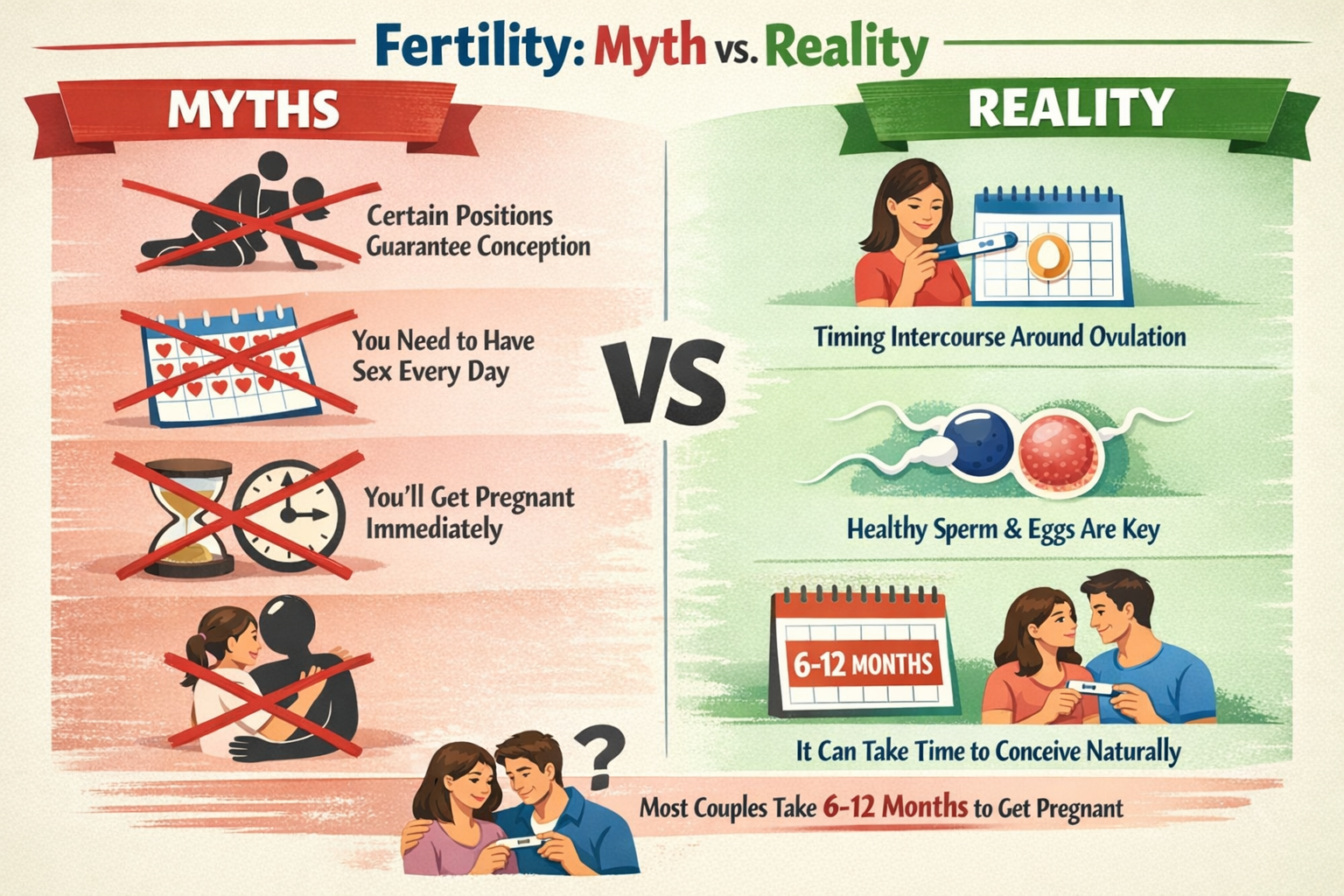
- Myth 1: You must have sex every day to get pregnant.
- Reality: While frequent intercourse during the fertile window is beneficial, daily sex isn't strictly necessary or always practical. Having intercourse every 1-2 days during the 6-day fertile window, especially the 2-3 days leading up to and including ovulation, is highly effective. Sperm can live for several days, so they'll be ready and waiting.
- Myth 2: Certain sexual positions increase your chances of conception.
- Reality: There is no scientific evidence to suggest that specific sexual positions (like missionary or elevating legs after sex) increase the likelihood of getting pregnant naturally. Sperm are deposited close to the cervix regardless of position, and their journey is not significantly affected by gravity.
- Myth 3: You can only get pregnant on the exact day of ovulation.
- Reality: While the day of ovulation is the most fertile, you can get pregnant from intercourse that occurs up to five days before ovulation. The 2-3 days before ovulation are actually often the most fertile because sperm need time to travel and be ready to fertilize the egg once it's released. You can use a Fertile Window Calculator to pinpoint this timeframe.
- Myth 4: Stress alone can prevent you from getting pregnant.
- Reality: While extreme stress can sometimes affect ovulation regularity, moderate everyday stress is unlikely to make a healthy couple infertile. Focusing too much on "not stressing" can ironically add more stress. Managing stress is important for overall well-being, but it's rarely the sole cause of conception difficulties.
- Myth 5: If you haven't conceived quickly, something is wrong.
- Reality: As discussed, it's normal for it to take several months, or even up to a year, for healthy couples to conceive naturally. The 12-month (or 6-month for those over 35) benchmark is there for a reason. Impatience is natural, but it doesn't automatically mean there's a problem.
Dispelling these myths can help couples approach the process of getting pregnant naturally with a more informed and relaxed mindset.
FAQ
Q1: What are the best days to have sex to get pregnant naturally? A1: The best days to have sex are the 2-3 days leading up to ovulation and the day of ovulation itself, known as the fertile window. Regular intercourse every 1-2 days during this period maximizes your chances.
Q2: How accurate are ovulation predictor kits (OPKs)? A2: OPKs are generally very accurate (around 99%) at detecting the LH surge that precedes ovulation, helping you identify your most fertile days.
Q3: Can irregular periods affect how long it takes to get pregnant naturally? A3: Yes, irregular periods can make it harder to pinpoint ovulation, potentially increasing the time it takes to conceive. It's advisable to consult a doctor if your periods are consistently irregular.
Q4: Is it normal to not get pregnant after a few months of trying? A4: Yes, it is very normal. Only about 30% of couples conceive in the first month. Most healthy couples take 6-12 months to get pregnant naturally.
Q5: What are some early signs I might be pregnant? A5: Early signs of pregnancy can include a missed period, tender breasts, fatigue, nausea, and increased urination. You can check for these with an Early Pregnancy Symptoms Checker.
Q6: Does sperm count affect how long it takes to get pregnant? A6: Yes, a low sperm count or poor sperm motility can reduce the chances of getting pregnant naturally and may lengthen the time to conception. Male fertility is an important aspect to consider.
Q7: How important is diet when trying to get pregnant naturally? A7: A healthy, balanced diet is very important for both partners, as it provides essential nutrients for reproductive health and can positively influence egg and sperm quality.
Q8: Can my partner's age also affect our chances of getting pregnant naturally? A8: Yes, while female age has a more significant impact, male fertility also gradually declines with age, typically after 40, potentially affecting sperm quality and the time to conception.
Q9: When should I start taking prenatal vitamins? A9: It's recommended that women start taking a prenatal vitamin containing folic acid at least one month before trying to conceive to ensure adequate nutrient levels from the outset.
Q10: Can tracking my cycle help me get pregnant faster? A10: Absolutely. Tracking your menstrual cycle, particularly identifying your fertile window using methods like OPKs, BBT, or a Fertile Window Calculator, significantly increases your chances by helping you time intercourse effectively.
Conclusion
Understanding how long it takes to get pregnant naturally is crucial for managing expectations and navigating the journey to parenthood. While about 85% of couples conceive within a year, this process is deeply personal and influenced by a variety of factors, including age, lifestyle, and the precise timing of intercourse around ovulation. Empowering yourself with knowledge about your body, tracking your fertile window, and adopting a healthy lifestyle are proactive steps that can optimize your chances. Remember that patience is key, and seeking professional guidance after specific timelines or if concerns arise is a wise and recommended approach. For more detailed insights and personalized tools, explore resources like our Pregnancy Probability Calculator.
References
- American College of Obstetricians and Gynecologists (ACOG). (2021). Infertility FAQs.
- National Institute of Child Health and Human Development (NICHD). (2017). Infertility and Fertility.
- Society for Assisted Reproductive Technology (SART). (2020). Quick Reference Fact Sheet on Infertility.