Embarking on the journey to parenthood is an exciting, yet often anxiety-inducing, prospect for many women. If you're currently 30 years old and contemplating starting a family, you're likely wondering, "What are my chances of getting pregnant at 30?" The good news is that 30 is generally considered an excellent age for conception, often balancing peak fertility with life stability. This comprehensive guide will explore the probabilities, influencing factors, and actionable steps you can take in 2026 to optimize your chances of getting pregnant at 30.
Key Takeaways
- At age 30, women generally have a high chance of natural conception, with approximately a 20% chance per menstrual cycle and about 75% chance within one year.
- Fertility starts a gradual decline after 30, but this decline is relatively slow compared to the more rapid decrease seen after 35.
- Key factors influencing your chances include ovarian reserve, ovulation regularity, overall health, and your partner's fertility.
- Tracking ovulation and timing intercourse correctly are crucial for maximizing your chances.
- Lifestyle choices such as diet, exercise, and stress management significantly impact fertility.
- Consider consulting a healthcare provider if you have concerns or have been trying to conceive for six months to a year without success.
- Utilizing online tools like a Pregnancy Chance by Age Calculator (Accurate % in 2026) can provide personalized insights.
- While chances are good, understanding individual variations and proactive steps is vital for a successful pregnancy journey at 30.
Quick Answer
At age 30, your chances of getting pregnant are quite favorable, typically around 20% per menstrual cycle, translating to approximately a 75% chance of conceiving within one year of trying. This period represents a strong fertility window, though it marks the beginning of a gradual, age-related decline in ovarian reserve and egg quality.
What Are My Chances of Getting Pregnant at 30 Naturally?
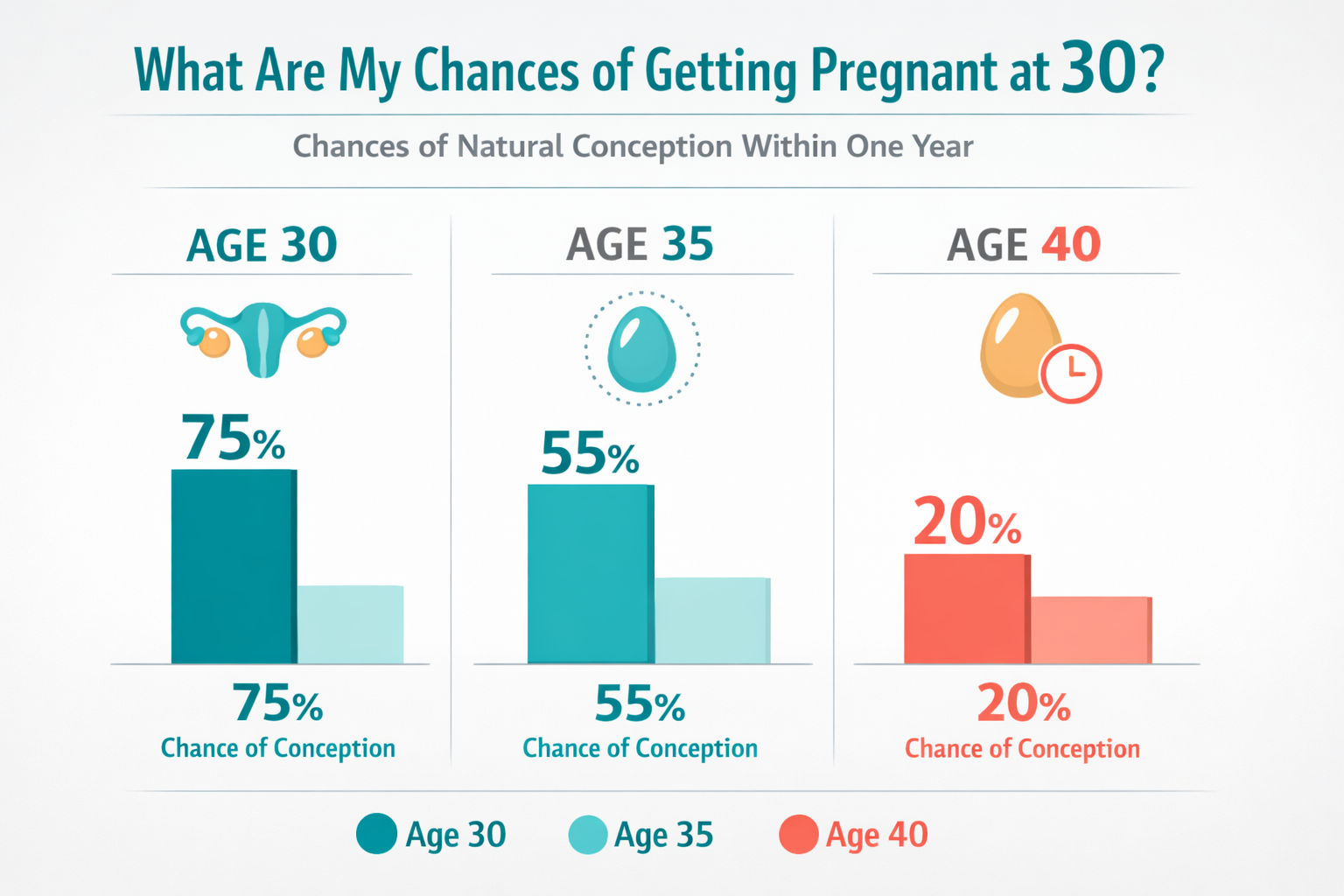
[[{"content": ["Detailed landscape format (1536x1024) image depicting a clear, easy-to-understand infographic comparing fertility rates across different female age groups, specifically highlighting the age 30, 35, and 40. Include bar graphs or pie charts showing percentages of natural conception within one year. The graphic should be clean, modern, and use a consistent color palette, making it clear for a reader wondering 'What Are My Chances of Getting Pregnant at 30?' to grasp the information quickly. Include small, subtle icons representing ovaries or eggs."]}]]
At 30, your natural chances of getting pregnant are high, making it an optimal time for many women to conceive. On average, a healthy 30-year-old woman has about a 20% chance of conceiving in any given menstrual cycle.
This monthly probability adds up significantly over time. For women who are 30 and actively trying to conceive, the cumulative probability often looks like this:
- Within 3 months: Approximately 40-50% chance of conception.
- Within 6 months: Around 60-70% chance of conception.
- Within 1 year: About a 75% chance of conception.
- Within 2 years: Up to 90% chance of conception.
These statistics are based on couples engaging in regular, unprotected intercourse, typically 2-3 times a week, especially around the fertile window. It's important to note that these are averages; individual experiences can vary based on a range of personal and health factors. For a more personalized estimate, consider using a Pregnancy Probability Calculator – Find Your % Chance Instantly.
How Does Age Affect Fertility at 30?
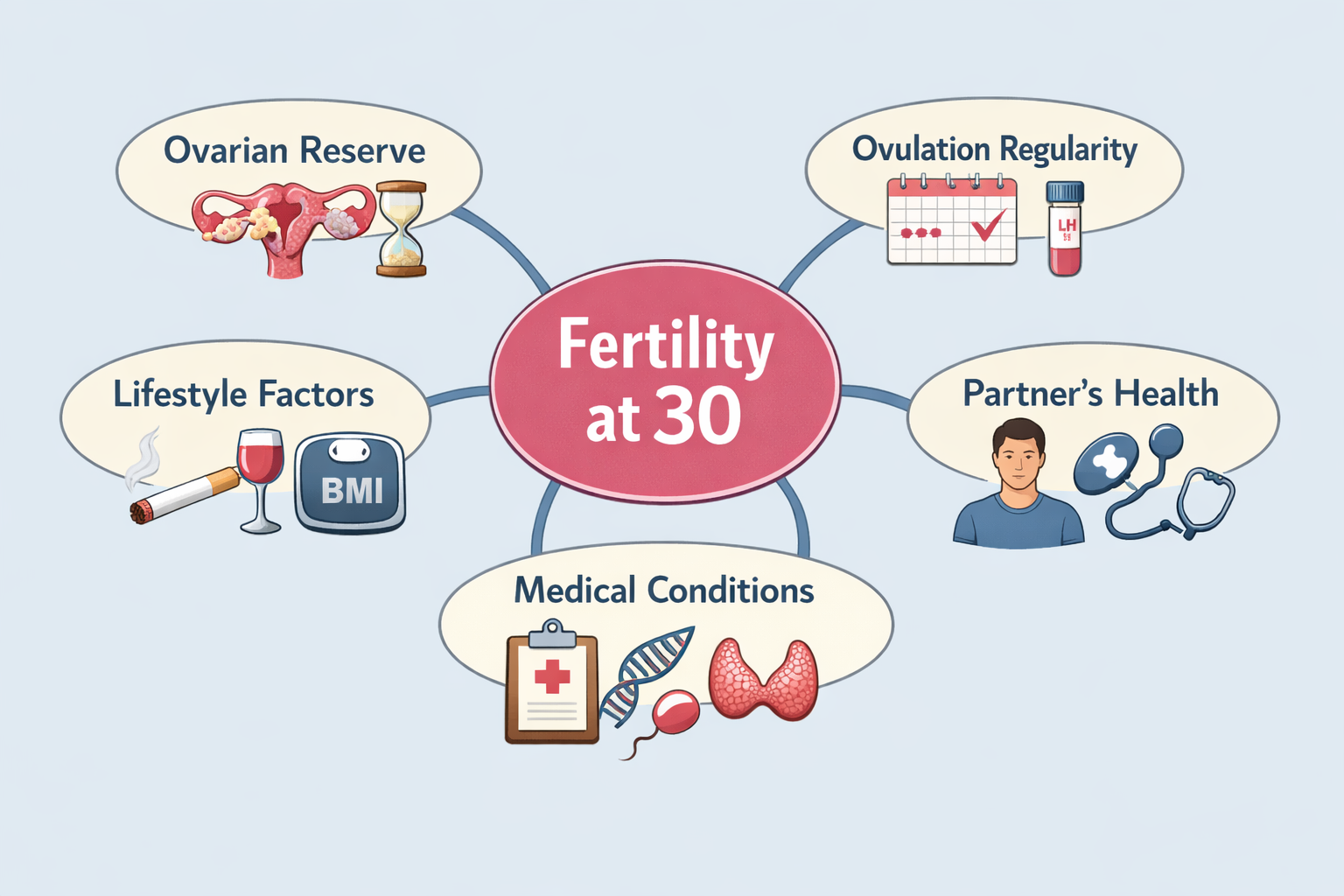
[[{"content": ["Detailed landscape format (1536x1024) image illustrating various factors influencing fertility at 30, depicted as a branching mind map or connected diagram. Central bubble: 'Fertility at 30.' Branches: 'Ovarian Reserve,' 'Ovulation Regularity,' 'Lifestyle Factors,' 'Partner's Health,' 'Medical Conditions.' Each branch has small, relevant icons (e.g., a clock for age, a weight for BMI, a cigarette for smoking). The overall style is informational and professional, helping to answer 'What Are My Chances of Getting Pregnant at 30?' by visualizing influences."]}]]
While 30 is still considered a prime fertile age, it marks the point where a woman's fertility begins a gradual, subtle decline. This decline primarily relates to a decrease in both the quantity and quality of her eggs.
Here's how age influences fertility at 30:
- Ovarian Reserve: Women are born with a finite number of eggs, which steadily declines throughout their lives. By age 30, a woman's ovarian reserve has decreased compared to her early twenties, though she still has a robust supply. The rate of decline accelerates slightly after 30.
- Egg Quality: As eggs age, they are more prone to chromosomal abnormalities. While the risk is still low at 30, it begins to increase incrementally. This can affect the chances of successful implantation and increase the risk of miscarriage or genetic conditions.
- Ovulation Regularity: For most 30-year-olds, ovulation remains regular, occurring approximately once a month. However, underlying conditions or lifestyle factors can sometimes disrupt this, affecting the fertile window. You can track your cycle regularity using a Cycle Length Calculator.
- Time to Conception: While still high, the average time it takes to conceive at 30 may be slightly longer than in the early twenties. For instance, a 25-year-old might conceive in 3-4 cycles, whereas a 30-year-old might take 4-6 cycles.
Comparison of Fertility by Age
| Age Group | Monthly Chance of Conception | Chance Within 1 Year | Considerations |
|---|---|---|---|
| Early 20s | 25-30% | 85-90% | Peak fertility, highest egg quality. |
| 30-34 | 15-20% | 75-80% | Gradual decline begins, still high chances. |
| 35-39 | 10-15% | 50-60% | More rapid decline, increased risk of complications. |
| 40+ | 5% or less | 20% or less | Significant decline, higher risk of complications and need for ART. |
Note: These are average figures and can vary greatly based on individual health and lifestyle.
If you are 30 and have been trying for less than a year, it's generally considered normal. However, if you are concerned or have specific health issues, a consultation with a healthcare professional can provide personalized advice.
What Factors Influence Your Chances of Getting Pregnant at 30?
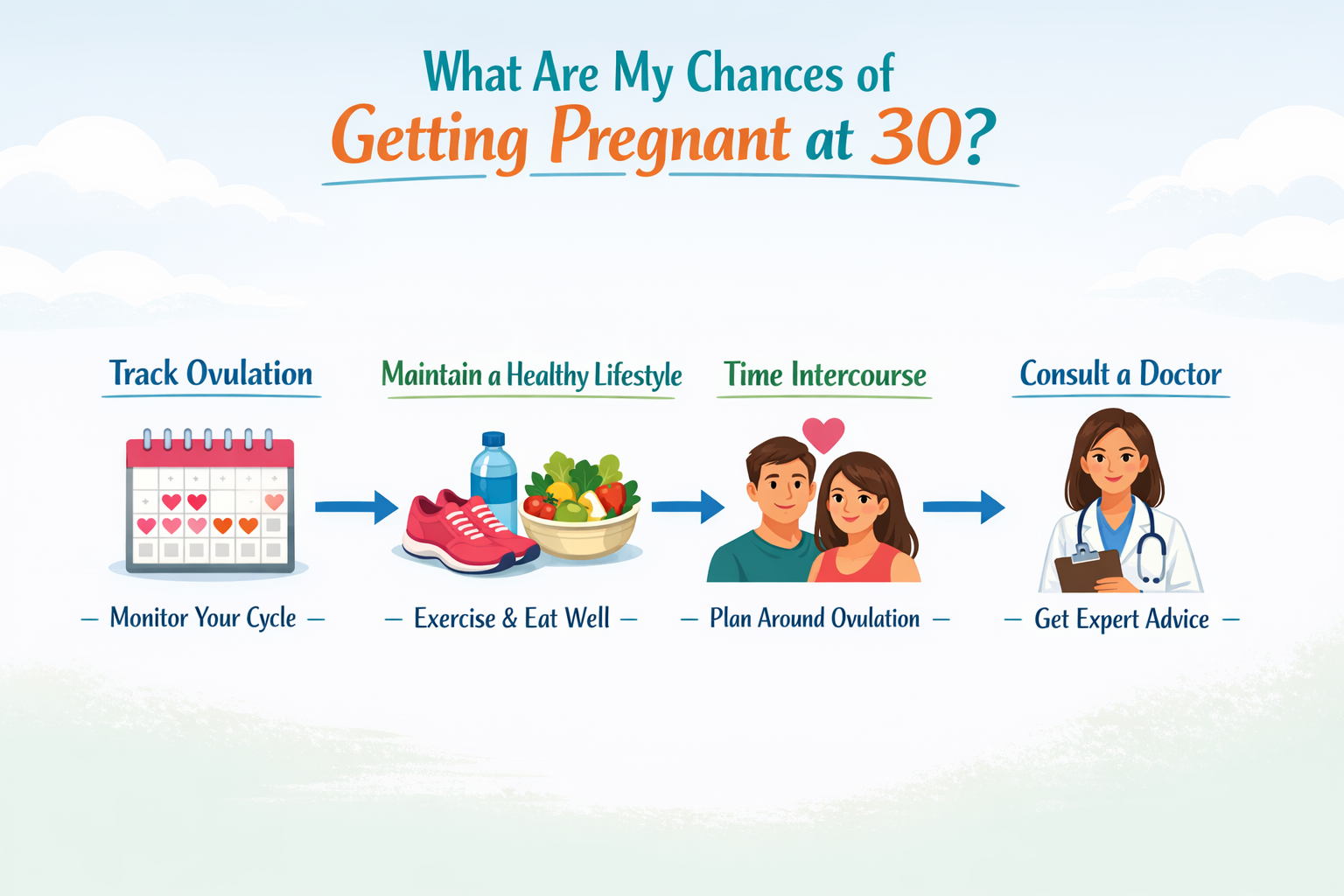
[[{"content": ["Landscape format (1536x1024) image featuring a timeline or flowchart demonstrating the steps a couple can take to optimize their chances of conception at 30. This includes elements like tracking ovulation, maintaining a healthy lifestyle, timing intercourse, and consulting a doctor. Use clean, sequential arrows and distinct icons for each step (e.g., calendar for tracking, exercise icon, healthy food, couple icon). The aesthetic should be encouraging and practical, addressing 'What Are My Chances of Getting Pregnant at 30?' through actionable advice."]}]]
Several factors beyond age significantly influence your chances of getting pregnant at 30. Understanding these can help you optimize your fertility journey.
Here are the key influencing factors:
- Ovulation Regularity: Consistent ovulation is paramount. If your menstrual cycles are irregular, it can be harder to predict your fertile window. Conditions like Polycystic Ovary Syndrome (PCOS) can cause irregular or absent ovulation. Tools like an Easy Ovulation Calculator can help you pinpoint your most fertile days.
- Timing of Intercourse: To maximize your chances, intercourse should occur during your fertile window, which is the 5 days leading up to ovulation and the day of ovulation itself. Sperm can live for up to 5 days in the reproductive tract, while an egg is viable for only 12-24 hours after release. Tracking your basal body temperature (BBT) or using ovulation predictor kits (OPKs) can help identify this window.
- Overall Health and Lifestyle:
- Weight: Being significantly underweight or overweight (BMI outside 18.5-24.9) can disrupt hormone balance and ovulation.
- Diet: A balanced, nutrient-rich diet supports reproductive health.
- Exercise: Moderate exercise is beneficial, but excessive intense exercise can sometimes interfere with ovulation.
- Smoking and Alcohol: Both smoking (even passive) and excessive alcohol consumption negatively impact fertility for both partners.
- Stress: High stress levels can affect hormone regulation and ovulation.
- Partner's Fertility: Male fertility is equally crucial. Factors like sperm count, motility, and morphology can affect conception chances. Male fertility typically peaks in the mid-20s but declines more gradually than female fertility, usually becoming more noticeable after age 40-50.
- Medical Conditions: Certain medical conditions can impact fertility, including:
- Endometriosis
- Fibroids
- Pelvic inflammatory disease (PID)
- Thyroid disorders
- Sexually transmitted infections (STIs)
- Certain medications
Decision Rule for Seeking Medical Advice: If you are 30 and have been trying to conceive for six months or more without success, especially if you have any known underlying health conditions or irregular cycles, it is advisable to consult a healthcare provider. For those without obvious issues, waiting up to one year is often recommended before seeking specialist help.
What Steps Can You Take to Improve Your Chances of Getting Pregnant at 30?
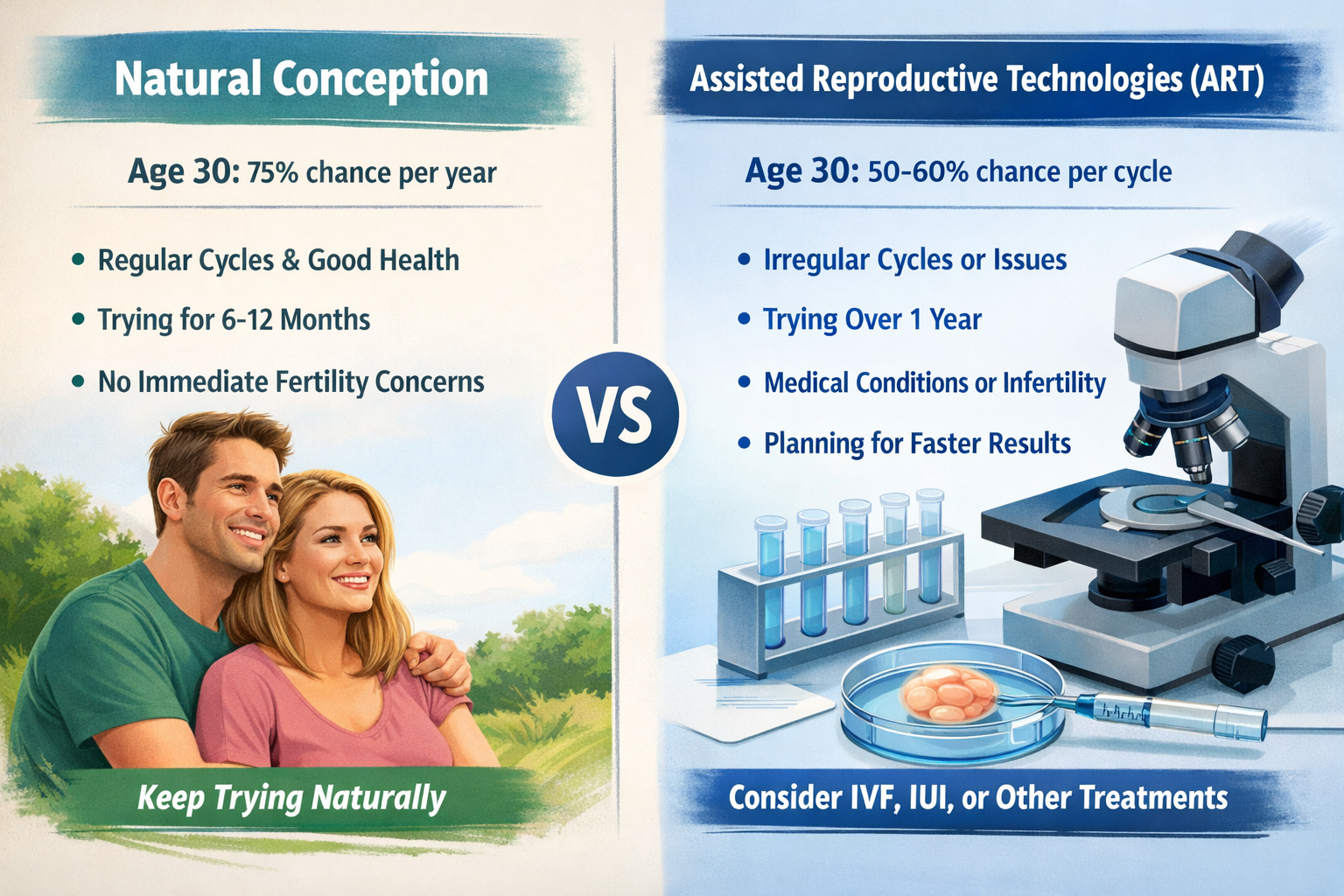
[[{"content": ["Landscape format (1536x1024) image showing a comparison table or split screen illustrating the differences between natural conception and various assisted reproductive technologies (ART) like IVF or IUI. One side shows a natural path with a couple, the other side shows medical equipment (microscope, petri dish) representing ART. Include simplified text labels for each method, emphasizing when each might be considered, providing a balanced view for those assessing 'What Are My Chances of Getting Pregnant at 30?' and potential next steps."]}]]
Improving your chances of getting pregnant at 30 involves a combination of understanding your body, optimizing your lifestyle, and knowing when to seek professional guidance. Many of these steps are proactive and can be started immediately.
Here are key steps to take:
- Track Your Cycle and Ovulation:
- Use an Ovulation Calculator: Tools like the Fertile Window Calculator | Find Your 6-Day Conception Window can help predict your most fertile days.
- Basal Body Temperature (BBT): Tracking your BBT daily can confirm ovulation after it occurs.
- Ovulation Predictor Kits (OPKs): These detect the surge in luteinizing hormone (LH) that precedes ovulation, giving you a 24-48 hour heads-up.
- Cervical Mucus Monitoring: Learning to identify changes in cervical mucus can also indicate your fertile window.
- Time Intercourse Correctly: Have unprotected intercourse frequently (every 1-2 days) during your fertile window. Regular sex (2-3 times a week) throughout your cycle can also ensure you don't miss ovulation.
- Adopt a Healthy Lifestyle:
- Balanced Diet: Focus on whole foods, fruits, vegetables, lean proteins, and healthy fats. Consider prenatal vitamins that include folic acid.
- Maintain a Healthy Weight: Aim for a BMI between 18.5 and 24.9.
- Moderate Exercise: Engage in regular, moderate physical activity.
- Avoid Harmful Substances: Quit smoking, reduce alcohol and caffeine intake, and avoid recreational drugs.
- Manage Stress: Practice relaxation techniques like yoga, meditation, or spending time in nature.
- Consult Your Doctor:
- Preconception Check-up: Schedule an appointment with your doctor to discuss your plans, review your medical history, and address any potential health concerns before trying to conceive.
- Fertility Assessment: If you have been trying for 6-12 months without success, or if you have specific concerns (e.g., irregular periods, known medical conditions), your doctor may recommend fertility assessments for both you and your partner.
Common Mistake to Avoid: Over-stressing about conception can sometimes ironically hinder it. While being informed and proactive is good, becoming overly anxious about every cycle can negatively impact your emotional and physical well-being. Try to find a balance between planning and enjoying the process.
When Should You Consider Fertility Treatments at 30?
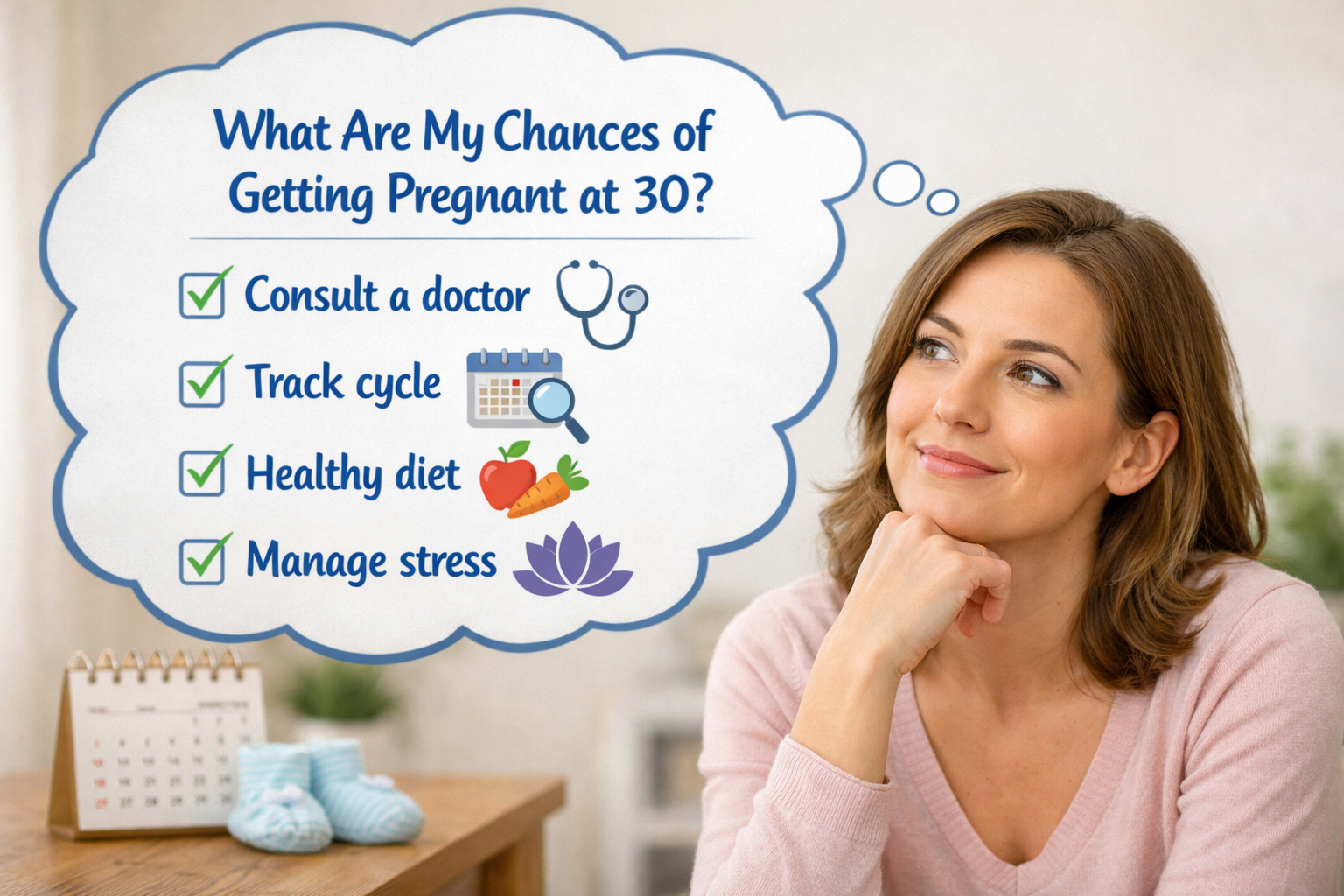
[[{"content": ["Landscape format (1536x1024) image with a checklist or thought bubble graphic for a woman in her early 30s reflecting on planning for pregnancy. Items might include 'Consult a doctor,' 'Track cycle,' 'Healthy diet,' 'Manage stress.' The image should convey empowerment and preparedness, with a subtle calendar icon or a small baby item in the background, reinforcing the forward-looking aspect of fertility planning at 30, directly addressing 'What Are My Chances of Getting Pregnant at 30?' in the context of proactive steps."]}]]
While many women conceive naturally at 30, it's wise to know when to consider fertility treatments, especially if natural methods aren't yielding results. Generally, if you are 30 and have been trying to conceive for one year without success, it's time to consult a fertility specialist.
However, certain circumstances warrant earlier intervention:
- Known Fertility Issues: If you or your partner have a diagnosed condition affecting fertility (e.g., PCOS, endometriosis, low sperm count, blocked fallopian tubes), you might seek specialist advice sooner, often after 6 months of trying.
- Irregular Cycles: Persistent irregular periods can indicate ovulation problems, making it harder to predict the fertile window. A doctor can help diagnose the cause and suggest interventions.
- History of Miscarriage: Recurrent miscarriages might prompt an earlier investigation into underlying causes.
- Other Medical Conditions: Chronic diseases, previous surgeries, or certain medications can affect fertility and should be discussed with a specialist.
Types of Fertility Treatments to Consider:
- Ovulation Induction: If irregular or absent ovulation is the issue, medications like Clomid or Femara can stimulate egg production and release. This is often a first-line treatment.
- Intrauterine Insemination (IUI): Involves placing specially prepared sperm directly into the uterus around the time of ovulation. It's less invasive than IVF and often used for unexplained infertility, mild male factor infertility, or when ovulation induction isn't enough.
- In Vitro Fertilization (IVF): A more complex procedure where eggs are retrieved from the ovaries and fertilized with sperm in a lab. The resulting embryos are then transferred into the uterus. IVF is considered for a range of issues, including blocked fallopian tubes, severe male factor infertility, and unexplained infertility where other treatments have failed.
- Donor Options: For severe cases of egg or sperm factor infertility, donor eggs, sperm, or embryos may be considered.
Choosing the right treatment depends on the underlying cause of infertility, personal preferences, and financial considerations. A fertility specialist can conduct comprehensive diagnostic tests for both partners to determine the most appropriate course of action, answering any lingering questions about "What are my chances of getting pregnant at 30?" with medical assistance.
Conclusion
Understanding "What are my chances of getting pregnant at 30?" reveals a promising picture: it's an excellent age for conception, with high success rates for natural pregnancy. While fertility begins a subtle decline around this age, it's generally a gradual process, and most healthy women will conceive within a year of trying. By proactively tracking your ovulation with tools like an Easy Ovulation Calculator, adopting a healthy lifestyle, and timing intercourse correctly, you can significantly enhance your chances.
Remember that individual experiences vary, and factors like overall health, lifestyle, and your partner's fertility play crucial roles. If you have been trying for six months to a year without success, or if you have any specific health concerns, don't hesitate to consult a healthcare provider or fertility specialist. They can offer personalized advice, conduct necessary assessments, and guide you through potential treatment options if needed. Armed with information and a proactive approach, you can navigate your fertility journey at 30 with confidence and optimism in 2026.
Actionable Next Steps:
- Track Your Cycle: Start using an ovulation calculator or BBT charting to identify your fertile window accurately.
- Optimize Lifestyle: Review your diet, exercise routine, and stress levels. Make positive changes where needed.
- Schedule a Preconception Check-up: Talk to your doctor about your plans to conceive and address any health questions.
- Educate Your Partner: Discuss male fertility factors and encourage healthy lifestyle choices for both of you.
- Be Patient but Vigilant: Give yourselves time, but know when to seek professional help if conception doesn't occur within a reasonable timeframe (6-12 months).
FAQ
Is 30 a good age to get pregnant?
Yes, 30 is generally considered a very good age to get pregnant. It balances strong fertility with often greater life stability, and most women at this age have a high chance of natural conception.
What is the percentage chance of getting pregnant at 30 per cycle?
The percentage chance of getting pregnant at 30 per menstrual cycle is typically around 20%.
How long does it usually take for a 30-year-old to get pregnant?
On average, a healthy 30-year-old woman has about a 75% chance of getting pregnant within one year of trying with regular, unprotected intercourse.
Does fertility drop sharply after 30?
No, fertility does not drop sharply after 30. It begins a gradual and subtle decline after 30, with a more noticeable acceleration typically occurring after age 35.
What are the risks of getting pregnant at 30 compared to earlier ages?
At 30, the risks are still relatively low. There's a slightly increased chance of gestational diabetes and a very slightly higher risk of chromosomal abnormalities compared to your early 20s, but these risks remain minimal.
Can lifestyle choices affect my chances of getting pregnant at 30?
Absolutely. A healthy weight, balanced diet, moderate exercise, avoiding smoking and excessive alcohol, and managing stress can significantly improve your chances of getting pregnant at 30.
When should I see a doctor if I'm 30 and trying to conceive?
If you are 30 and have been trying to conceive for one year without success, you should consult a doctor. If you have known underlying conditions (e.g., irregular periods, PCOS), consider consulting after six months.
Are my eggs still good quality at 30?
Yes, at 30, your egg quality is generally still very good. While it begins a gradual decline compared to your early 20s, the risk of chromosomal abnormalities remains low.
How do I know when I'm most fertile at 30?
You are most fertile during your "fertile window," which includes the 5 days leading up to ovulation and the day of ovulation itself. You can identify this using ovulation predictor kits (OPKs), tracking basal body temperature (BBT), or observing cervical mucus.
Does my partner's age affect my chances of getting pregnant at 30?
Yes, your partner's age can also influence your chances. While male fertility declines more gradually than female fertility, advanced paternal age (typically over 40-50) can affect sperm quality and slightly increase the time to conception and some risks.
What is the role of folic acid when trying to conceive at 30?
Folic acid is crucial. It helps prevent neural tube defects in the baby, such as spina bifida. It's recommended to start taking a prenatal vitamin with at least 400 micrograms of folic acid at least one month before trying to conceive.
Can being overweight or underweight affect my fertility at 30?
Yes, both being significantly overweight or underweight can disrupt your hormonal balance and interfere with regular ovulation, making it harder to conceive. Aim for a healthy body mass index (BMI).
References
- American Society for Reproductive Medicine. (2020). Age and Fertility: A Guide for Patients. Retrieved from https://www.reproductivefacts.org/globalassets/rf/news-and-publications/bookletsfact-sheets/asrm-patientfact-age-and-fertility.pdf
- Centers for Disease Control and Prevention. (2023). Female Infertility. Retrieved from https://www.cdc.gov/reproductivehealth/infertility/index.htm
- National Institute of Child Health and Human Development. (2017). Optimizing Fertility: A Guide for Men and Women. Retrieved from https://www.nichd.nih.gov/health/topics/infertility/conditioninfo/optimize