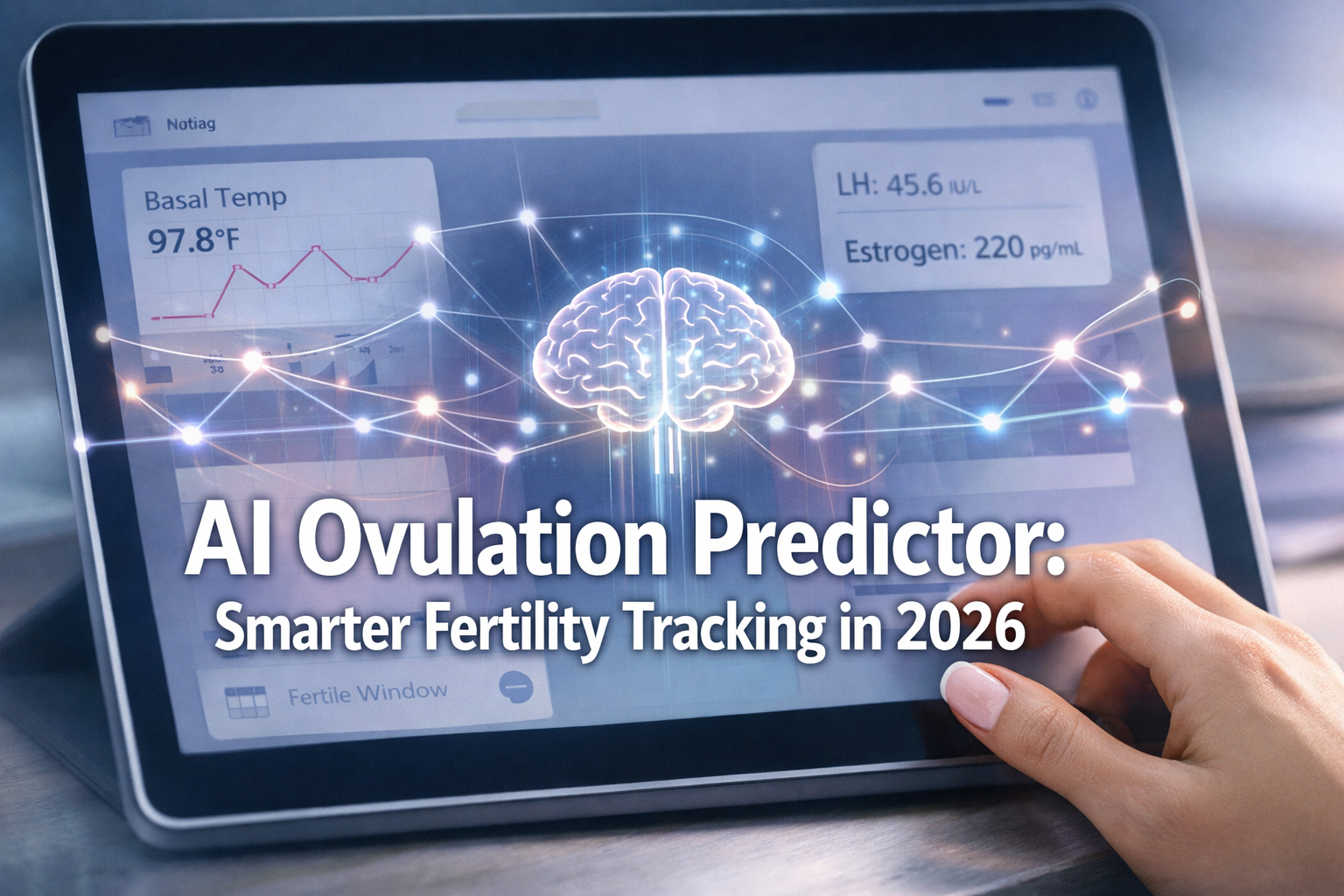
Fewer than 15% of couples attempting to conceive accurately identify their fertile window without assistance, often leading to prolonged attempts and unnecessary stress (American Society for Reproductive Medicine, 2023). In 2026, the AI ovulation predictor emerges as a sophisticated solution, leveraging artificial intelligence to analyze a multitude of physiological data points, offering significantly more precise and personalized predictions of ovulation compared to traditional methods. This advanced technology aims to empower individuals by demystifying the reproductive cycle, making the journey to conception more efficient and less ambiguous.
Last updated: April 17, 2026
Quick Answer
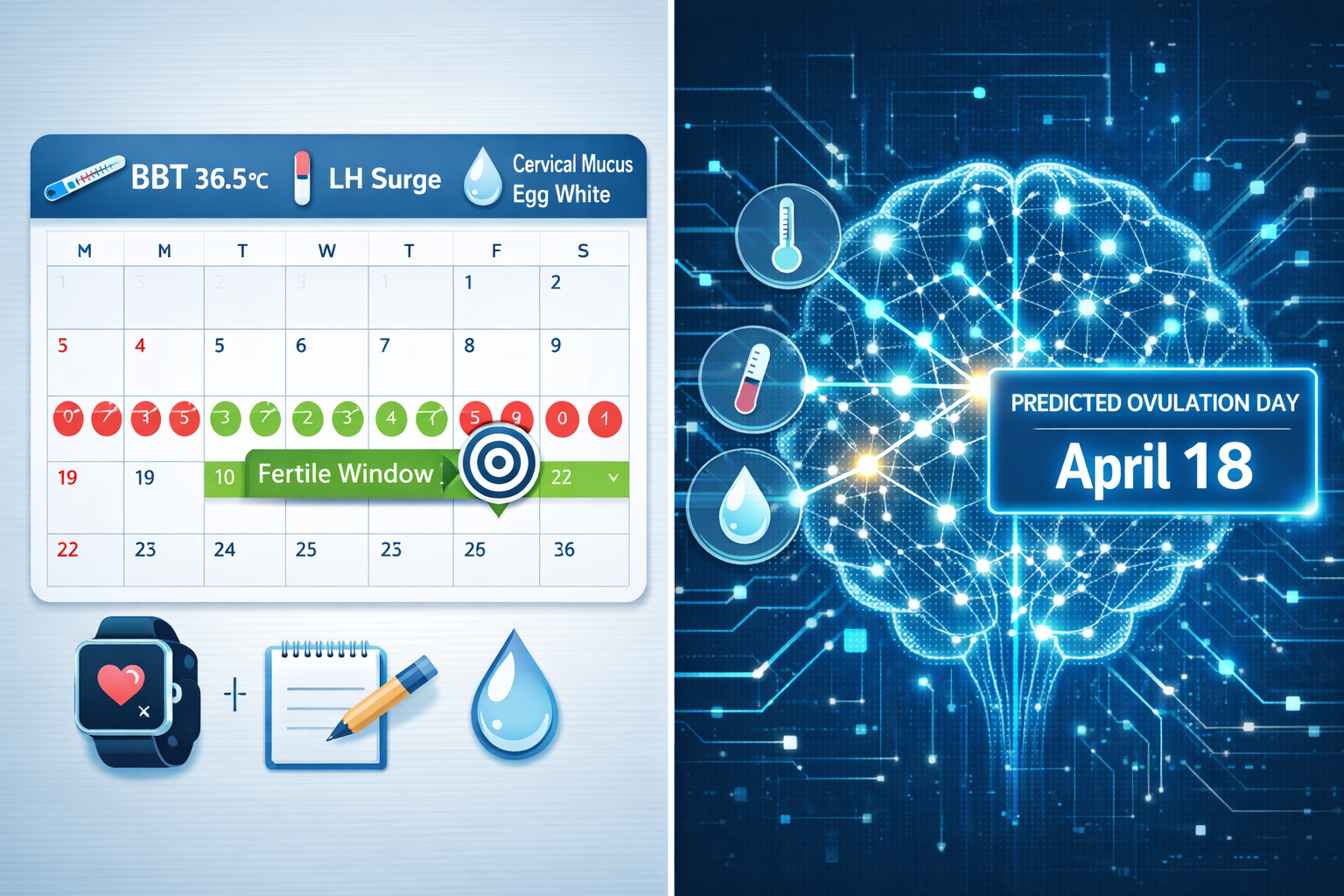
An AI ovulation predictor uses algorithms to analyze diverse biological data—such as basal body temperature (BBT), luteinizing hormone (LH) levels, cycle history, and even sleep patterns—to forecast a woman's fertile window with enhanced accuracy. This technology offers a personalized and dynamic understanding of individual cycle variations, moving beyond static calendar methods or simple test strip readings, making it a powerful tool for those trying to conceive in 2026.
Key Takeaways
- Enhanced Accuracy: AI ovulation predictors offer more precise fertile window predictions than traditional methods by analyzing multiple data streams.
- Personalized Insights: They adapt to individual cycle variations, providing tailored predictions rather than generic estimates.
- Data Integration: These tools can integrate data from wearables, at-home test kits, and manual entries for a comprehensive view.
- Empowerment: Users gain a deeper understanding of their reproductive health, reducing guesswork and anxiety.
- Applications: Ideal for individuals trying to conceive, those monitoring menstrual health, or planning contraception.
- Considerations: Accuracy depends on data input quality and individual biological consistency; privacy is a key concern with health data.
- Future Potential: Ongoing advancements promise even more sophisticated and integrated fertility management solutions.
What is an AI Ovulation Predictor and How Does It Work?
An AI ovulation predictor is a digital tool that utilizes artificial intelligence and machine learning algorithms to forecast a woman's ovulation and fertile window. Unlike basic ovulation calculators that rely solely on cycle length, or traditional ovulation predictor kits (OPKs) that detect a single LH surge, AI systems analyze a wider array of physiological markers and patterns over time to make more nuanced and accurate predictions.
These systems typically work by:
- Data Collection: Users input data, often through connected wearable devices (like smart thermometers for BBT), manual entries (cervical mucus observations, mood, symptoms), or integrations with at-home hormone testing kits (LH, estrogen).
- Pattern Recognition: The AI algorithms then process this diverse dataset. Instead of just looking for a single peak, the AI learns individual cycle patterns, accounting for subtle fluctuations in hormones, temperature shifts, and other indicators that signify impending ovulation. For instance, it can detect the gradual rise in estrogen leading to the LH surge, not just the surge itself.
- Predictive Modeling: Based on the accumulated and analyzed data, the AI generates a personalized prediction of the fertile window, often identifying specific days with higher probability of conception. It can adapt to irregular cycles or variations from month to month, which is a significant advantage over fixed-formula calculators.
- Continuous Learning: The more data an individual provides, the smarter and more accurate the AI becomes over time, continually refining its predictions. This adaptive learning is crucial because every woman's cycle is unique and can be influenced by various factors.
For those curious about their fertile window, an AI ovulation predictor offers an advanced way to track and understand their cycle.

Why AI is More Accurate for Ovulation Prediction
AI's advantage in ovulation prediction stems from its ability to process and interpret complex, multi-dimensional data sets that human observation or simpler algorithms cannot. Human cycles are not always textbook; variations in stress, diet, sleep, and even illness can affect ovulation timing. AI can identify these subtle correlations and deviations, providing:
- Dynamic Adaptation: The AI adjusts its model based on real-time and historical data from the individual, rather than relying on population averages.
- Multi-factor Analysis: It integrates several physiological signals simultaneously, such as BBT rise after ovulation, LH surge before ovulation, cervical mucus changes, and even sleep patterns, to triangulate the fertile window more effectively.
- Early Indication: By detecting precursor changes (e.g., estrogen rise), some AI systems can provide earlier warnings of the approaching fertile window than traditional LH tests alone.
This comprehensive approach helps individuals pinpoint their most fertile days with greater confidence. Understanding your body's specific signals can be particularly helpful if you experience late ovulation, as AI can adapt to these variations better than fixed models.
How Does an AI Ovulation Predictor Compare to Traditional Methods?
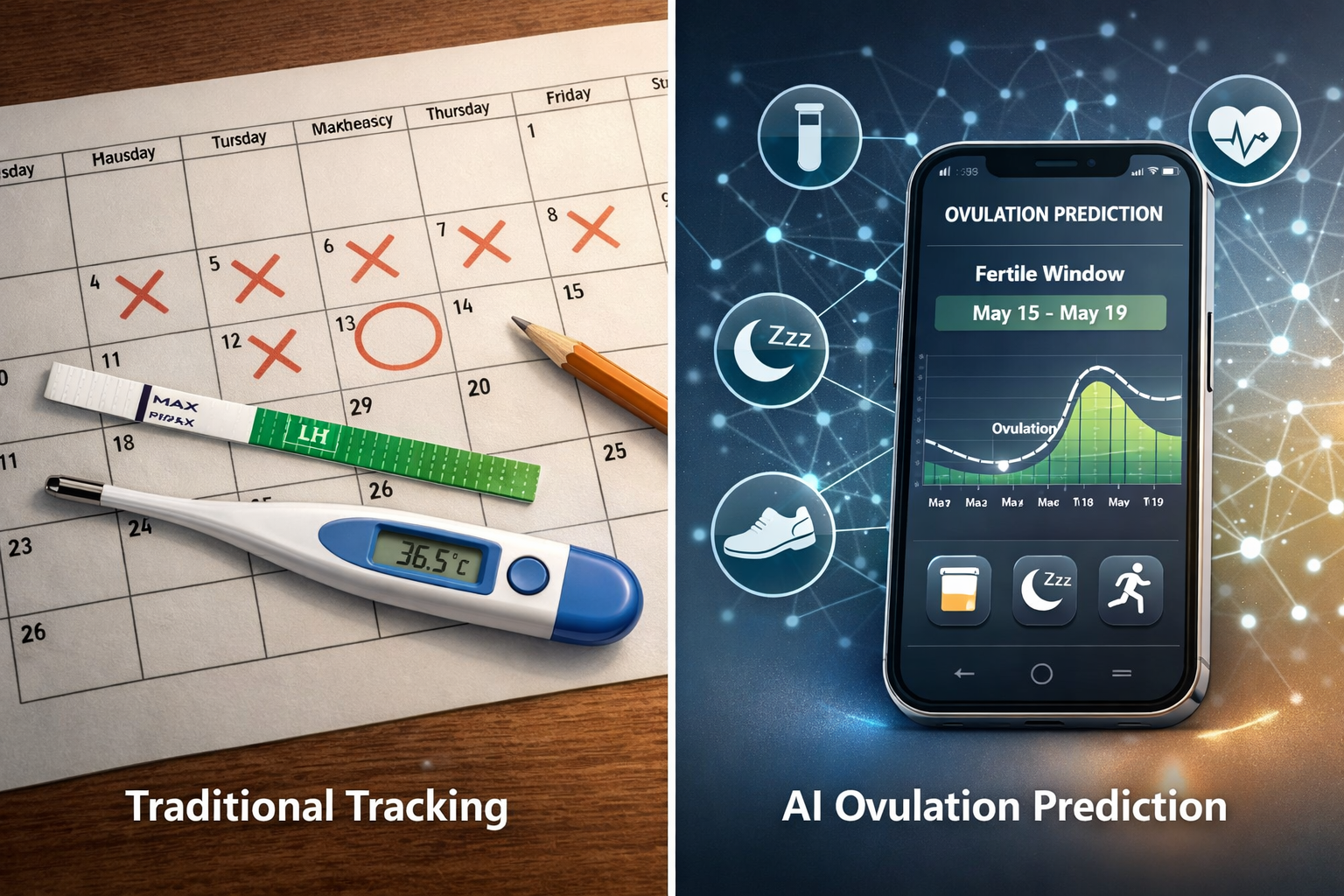
An AI ovulation predictor provides a significant upgrade over traditional methods by offering a more integrated, adaptive, and personalized approach to fertility tracking. While methods like calendar tracking, basal body temperature (BBT) charting, and ovulation predictor kits (OPKs) each offer pieces of the puzzle, AI combines and analyzes these elements (and more) to create a much clearer picture.
Comparison Table: AI Ovulation Predictor vs. Traditional Methods
| Feature | Traditional Calendar Method | Basal Body Temperature (BBT) Charting | Ovulation Predictor Kits (OPKs) | AI Ovulation Predictor |
|---|---|---|---|---|
| Data Input | Last period date, average cycle length | Daily morning temperature readings | Urine samples for LH hormone | BBT, LH, cervical mucus, sleep, activity, cycle history, symptoms |
| Predictive Ability | Estimates ovulation based on averages, often inaccurate for irregular cycles. | Identifies ovulation after it occurs via temperature shift. Limited for predicting. | Detects LH surge 24-48 hours before ovulation. Can miss surges. | Predicts ovulation before and identifies after by integrating multiple data points. |
| Accuracy | Low, highly prone to error with cycle variations. | Moderate for confirming ovulation, low for predicting in advance. | Moderate, can miss surges or give false positives in some cases. | High, learns individual patterns, adapts to variations. |
| Personalization | None; uses generic calculations. | Moderate; tracks individual BBT patterns. | Low; only detects a single hormonal event. | High; self-learning algorithms adapt to unique cycle data. |
| Ease of Use | Very easy, but often unreliable. | Requires daily, consistent effort; manual charting can be tedious. | Requires daily testing during fertile window; can be costly. | Varies by system; often integrated with apps/wearables for ease of input. |
| Cost | Free | Low (thermometer cost) | Moderate to high (test strips) | Varies (app subscriptions, smart devices) |

Advantages of AI Over Traditional Methods
- Holistic View: AI synthesizes data from multiple sources, including basal body temperature, luteinizing hormone (LH) levels, cervical mucus observations, sleep patterns, and even stress indicators. This holistic approach captures a more complete picture of an individual's fertile window than any single method alone.
- Adaptive Learning: Traditional methods like calendar calculations assume a consistent cycle length, which isn't true for many. BBT charts confirm ovulation retrospectively, and OPKs only offer a short predictive window. AI, however, learns from your unique data over time, adapting to irregular cycles or variations, which can be particularly useful for understanding what causes late ovulation.
- Reduced Guesswork: By providing more precise predictions, AI significantly reduces the guesswork involved in timing intercourse, which can decrease the time it takes to conceive and alleviate stress.
- Empowerment Through Data: Users gain a deeper, evidence-based understanding of their body's unique rhythms, allowing them to make more informed decisions about family planning.
- Early Warnings: Some AI systems can detect subtle hormonal shifts that precede the LH surge, offering a longer predictive window than standard OPKs.
While traditional methods have their place, the analytical power of AI offers a compelling argument for its superiority in accuracy and personalized insights for fertility tracking in 2026.
Who Can Benefit Most from an AI Ovulation Predictor in 2026?
An AI ovulation predictor is particularly beneficial for several groups of individuals and couples in 2026, especially those seeking to optimize their chances of conception or gain a deeper understanding of their reproductive health. Its advanced capabilities cater to specific needs that traditional methods often cannot fully address.
Ideal Candidates for AI Ovulation Predictors:
- Couples Actively Trying to Conceive (TTC): For those hoping to get pregnant, precisely identifying the fertile window is paramount. An AI ovulation predictor can significantly reduce the "time to conception" by pinpointing the optimal days for intercourse with higher accuracy, helping to maximize pregnancy chances.
- Individuals with Irregular Menstrual Cycles: Many women do not have a textbook 28-day cycle with ovulation on day 14. Irregular cycles can make traditional calendar methods or even OPKs unreliable. AI's ability to learn and adapt to individual patterns, even erratic ones, offers a more robust solution. This is especially useful for understanding patterns in late ovulation.
- Those Seeking a Deeper Understanding of Their Reproductive Health: Beyond just predicting ovulation, AI systems often provide insights into cycle patterns, hormonal trends, and overall reproductive health. This data can be valuable for discussions with healthcare providers regarding fertility concerns or general well-being.
- Women Over 30 (or with age-related fertility concerns): As fertility naturally declines with age, maximizing every cycle becomes more critical. An AI ovulation predictor helps ensure that the fertile window is not missed, which can be crucial for women over 30 or over 35.
- Individuals Who Prefer Non-Invasive or Integrated Tracking: Many AI systems integrate with wearable devices, automating data collection like BBT. This reduces the burden of manual logging and provides a seamless tracking experience, making it a convenient option for busy individuals.
- Couples Who Have Been TTC for a While: If a couple has been trying to conceive for several months without success using traditional methods, an AI ovulation predictor might offer the improved precision needed to identify the actual fertile window, potentially revealing miscalculations from prior attempts.
- Those Considering Fertility Treatments (Pre-Treatment): Before embarking on more intensive fertility treatments, understanding natural cycle patterns with high accuracy can inform treatment plans and provide valuable baseline data for specialists.
- Anyone Interested in Natural Family Planning (NFP): While not a contraceptive in itself, the deep insights provided by an AI ovulation predictor can aid individuals practicing NFP for either conception or avoidance, by offering a more accurate understanding of their fertile and infertile phases.

When an AI Ovulation Predictor Might Not Be Necessary
While highly beneficial, an AI ovulation predictor may not be necessary for everyone. For individuals with very regular, predictable cycles who are not in a hurry to conceive, or who are using it for basic cycle awareness without specific conception goals, simpler and less expensive methods might suffice. Additionally, individuals undergoing active fertility treatments (like IVF) where ovulation is medically controlled might find less direct utility in these tools, though tracking can still provide supplemental information.
The utility of an AI ovulation predictor hinges on the individual's specific needs, cycle regularity, and their desire for precision and detailed insights into their reproductive health.
Conclusion
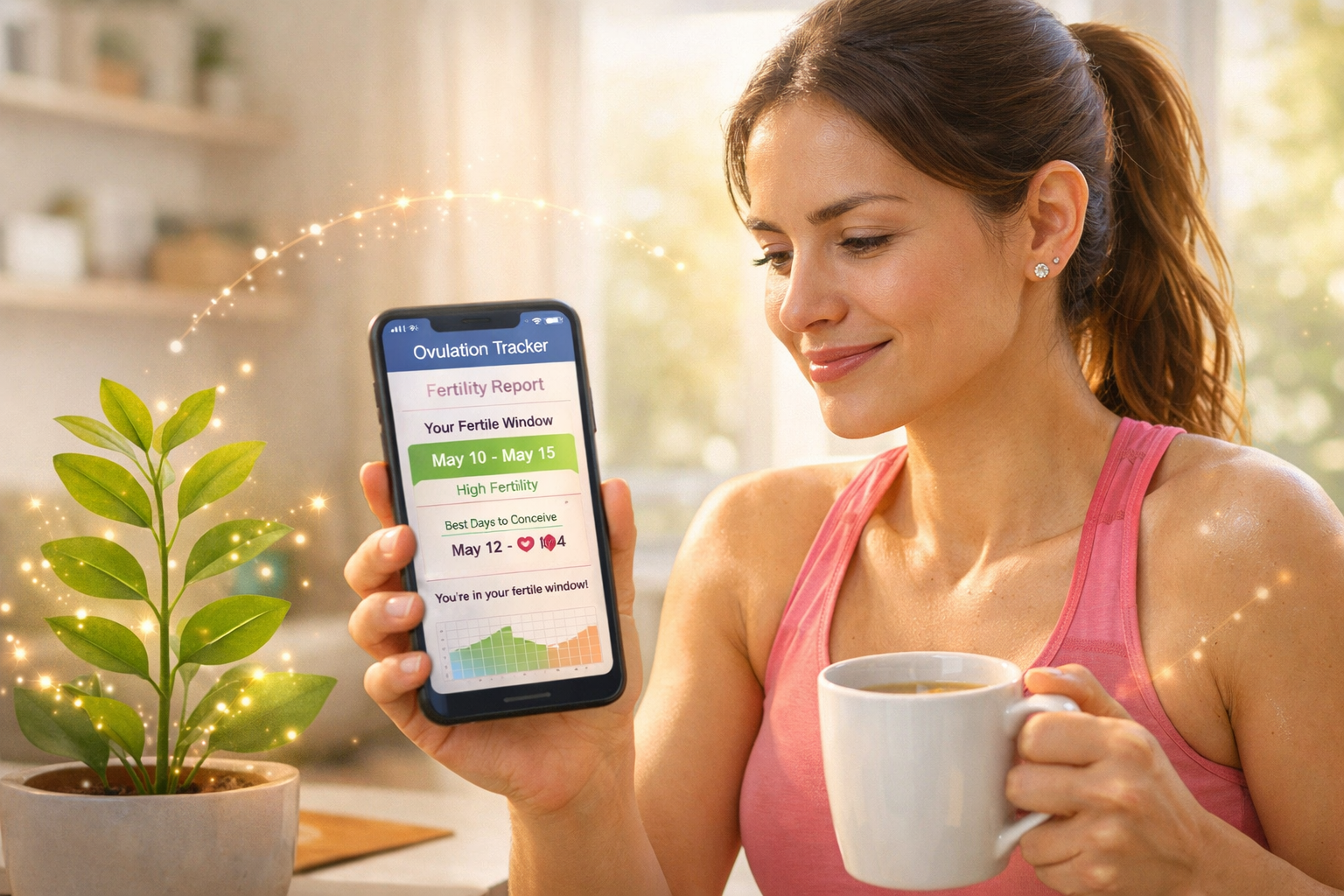
The AI ovulation predictor stands as a pivotal advancement in fertility tracking for 2026, offering unparalleled precision and personalized insights into a woman's reproductive cycle. By intelligently integrating and analyzing diverse physiological data, these sophisticated systems move far beyond the limitations of traditional methods, providing a dynamic and adaptive understanding of individual fertility patterns. For couples actively trying to conceive, individuals with irregular cycles, or anyone seeking a deeper, more accurate understanding of their reproductive health, AI-powered tools offer an empowering and efficient pathway.
While not a substitute for medical advice, an AI ovulation predictor serves as a powerful complementary tool, reducing guesswork, alleviating stress, and ultimately maximizing the chances of achieving pregnancy. As technology continues to evolve, we anticipate even more integrated and intuitive solutions that will further revolutionize personal health management. Embracing this technology in 2026 means stepping into a future where fertility tracking is smarter, more personalized, and profoundly more effective.
Actionable Next Steps:
- Research Available AI Ovulation Predictors: Explore different devices and apps to find one that aligns with your budget, desired features (e.g., wearable integration, specific data inputs), and privacy policies.
- Understand Data Requirements: Be prepared to consistently input various data points (BBT, OPK results, cervical mucus, etc.) to ensure the AI can learn and provide accurate predictions.
- Consult with Your Healthcare Provider: Discuss your interest in using an AI ovulation predictor with your doctor, especially if you have underlying health conditions or are experiencing fertility challenges.
- Prioritize Data Privacy: Carefully review the privacy policy of any AI ovulation predictor service you consider, understanding how your sensitive health data will be collected, stored, and used.
FAQ
Q1: How accurate are AI ovulation predictors compared to traditional OPKs?
AI ovulation predictors are generally more accurate than traditional OPKs because they analyze multiple data points (like BBT, LH, and cycle history) rather than just a single LH surge, providing a more comprehensive and personalized prediction of the fertile window.
Q2: Can an AI ovulation predictor help with irregular cycles?
Yes, AI ovulation predictors are particularly beneficial for irregular cycles as their algorithms learn and adapt to an individual's unique patterns over time, offering more reliable predictions than static calendar methods.
Q3: Do I need special devices to use an AI ovulation predictor?
Many AI ovulation predictors integrate with smart basal body thermometers or other wearables for automated data collection, but some also allow manual input of data from standard OPKs or personal observations.
Q4: Is an AI ovulation predictor a form of contraception?
No, an AI ovulation predictor is not a contraceptive. While it can help identify fertile and infertile windows, it is primarily designed to aid in conception and should not be relied upon for birth control.
Q5: How long does it take for an AI ovulation predictor to become accurate?
The accuracy of an AI ovulation predictor generally improves over time as it collects more data from your cycle. Many systems require at least one full cycle (or more for irregular cycles) to establish a baseline.
Q6: Are AI ovulation predictors expensive?
The cost varies widely, ranging from free apps with basic AI features to premium subscriptions and integrated smart devices, which can be a significant investment.
Q7: What kind of data does an AI ovulation predictor use?
AI ovulation predictors typically use data such as basal body temperature (BBT), luteinizing hormone (LH) levels (from OPKs), cervical mucus consistency, cycle length history, period dates, and sometimes sleep, activity, or mood data.
Q8: Can an AI ovulation predictor tell me if I've successfully ovulated?
Many AI ovulation predictors can confirm ovulation retrospectively by identifying a sustained rise in basal body temperature or other post-ovulatory signs, providing a deeper understanding of your cycle. You can learn more about how to know if you ovulated successfully.
Q9: What happens if I miss inputting data for a few days?
While consistent data input is best for optimal accuracy, most AI systems are designed to handle occasional missing data points by leveraging historical patterns and other available information, though it might slightly reduce the precision for that specific cycle.
Q10: Is my data safe with an AI ovulation predictor?
Data privacy is a critical concern. Always review the privacy policy of any AI ovulation predictor app or device to understand how your sensitive health data is collected, stored, and protected.
Q11: Can men use AI ovulation predictors?
AI ovulation predictors are designed for women to track their menstrual cycles and fertile windows. Men do not ovulate, so these tools are not applicable to them directly, although they can be partners in tracking their spouse's fertility.
Sources
- American Society for Reproductive Medicine. (2023). Optimizing Natural Fertility: A Committee Opinion. Fertility and Sterility, 120(5), 903-911.