Are you looking to expand your family and want to know how to maximize your chances of conceiving? Pinpointing the "best days to get pregnant" is crucial for couples trying to conceive, as it directly aligns with the woman's fertile window and ovulation. Understanding your unique cycle is the most effective way to identify these prime opportunities.
Quick Answer
The best days to get pregnant are typically the 5 days leading up to ovulation and the day of ovulation itself, forming what's known as the "fertile window." Ovulation usually occurs about 12 to 14 days before the start of your next menstrual period. Consistent tracking of ovulation signs, such as basal body temperature and cervical mucus, along with using ovulation predictor kits, can help identify these peak fertility days.
Key Takeaways
- The fertile window is generally 6 days long: 5 days before ovulation and the day of ovulation.
- The most fertile days are the 2-3 days leading up to and including ovulation.
- Ovulation typically happens 12-14 days before your next period, but this can vary.
- Tracking basal body temperature (BBT), cervical mucus, and using ovulation predictor kits (OPKs) are effective methods to identify ovulation.
- Sperm can live inside the female reproductive tract for up to 5 days, making intercourse before ovulation highly effective.
- Age and underlying health conditions significantly impact fertility and the ease of identifying the best days to get pregnant.
- Lifestyle factors like diet, exercise, and stress management play a supportive role in optimizing fertility.
- For accurate tracking, consider using a specialized Fertile Window Calculator – Best Days to Conceive & Ovulation Tracker (Free).
Understanding Your Cycle: The Foundation for Finding the Best Days to Get Pregnant
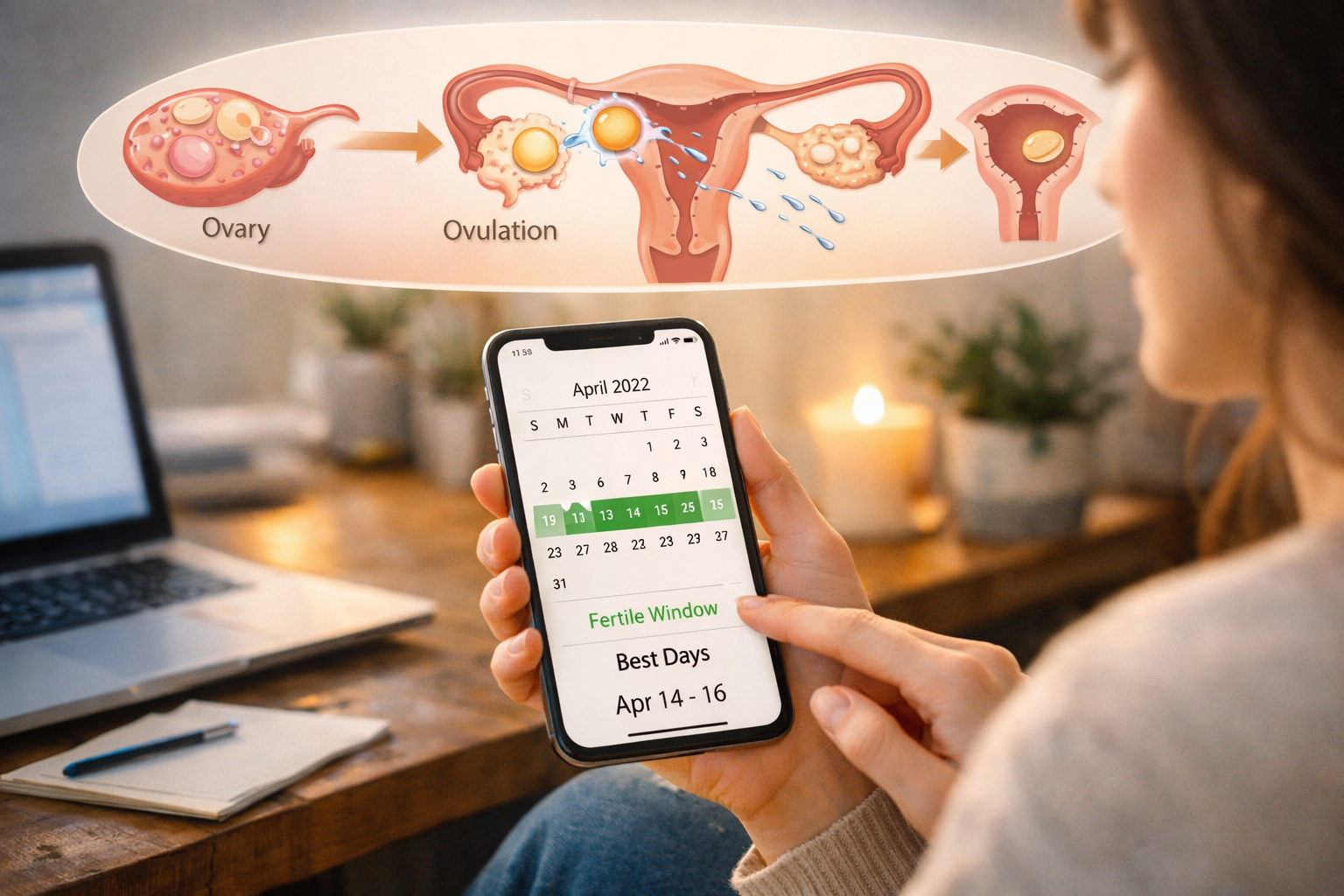
To find the best days to get pregnant, it's essential to understand the basics of your menstrual cycle, particularly when ovulation occurs. The menstrual cycle is a complex process designed to prepare your body for pregnancy each month.
The menstrual cycle begins on the first day of your period and ends just before your next period starts. While the average cycle is 28 days, it can range from 21 to 35 days in adults and still be considered normal. The cycle has two main phases: the follicular phase (before ovulation) and the luteal phase (after ovulation). Ovulation, the release of an egg from the ovary, is the pivotal event that determines your fertile window. Sperm can survive inside the female reproductive tract for up to 5 days, while an egg is viable for only 12-24 hours after release. This short lifespan of the egg makes timing intercourse critical.

Key Phases of the Menstrual Cycle:
- Menstruation: The shedding of the uterine lining, marking day 1 of your cycle.
- Follicular Phase: Begins on day 1 and lasts until ovulation. During this phase, follicles (each containing an immature egg) in the ovaries mature, stimulated by Follicle-Stimulating Hormone (FSH). Estrogen levels rise, causing the uterine lining to thicken.
- Ovulation: The mature egg is released from the ovary, triggered by a surge in Luteinizing Hormone (LH). This is the only time a pregnancy can occur.
- Luteal Phase: Begins after ovulation and lasts until your next period. The ruptured follicle transforms into the corpus luteum, which produces progesterone to prepare the uterus for implantation. If pregnancy doesn't occur, the corpus luteum breaks down, progesterone levels drop, and menstruation begins.
It's important to remember that while 12-14 days before your next period is a common estimate for ovulation, individual variations mean active tracking provides a more accurate picture. For those with irregular cycles, identifying a consistent ovulation day can be more challenging, potentially impacting the ease of finding the best days to get pregnant. If you have late ovulation, resources like our guide on "Can You Get Pregnant With Late Ovulation? | Expert Guide" can offer further insights.
Identifying Your Fertile Window: Practical Methods to Pinpoint Ovulation
Pinpointing your fertile window accurately is the most effective way to maximize your chances of conception. Several reliable methods can help you determine when you're ovulating and thus identify the best days to get pregnant.
These methods range from simple observation to more precise testing, often used in combination for greater accuracy. Relying solely on a calendar can be misleading, especially if your cycles are not perfectly regular. By actively tracking your body's signals, you gain a clearer understanding of your unique fertility pattern.
Top Methods for Ovulation Tracking:
-
Basal Body Temperature (BBT) Tracking:
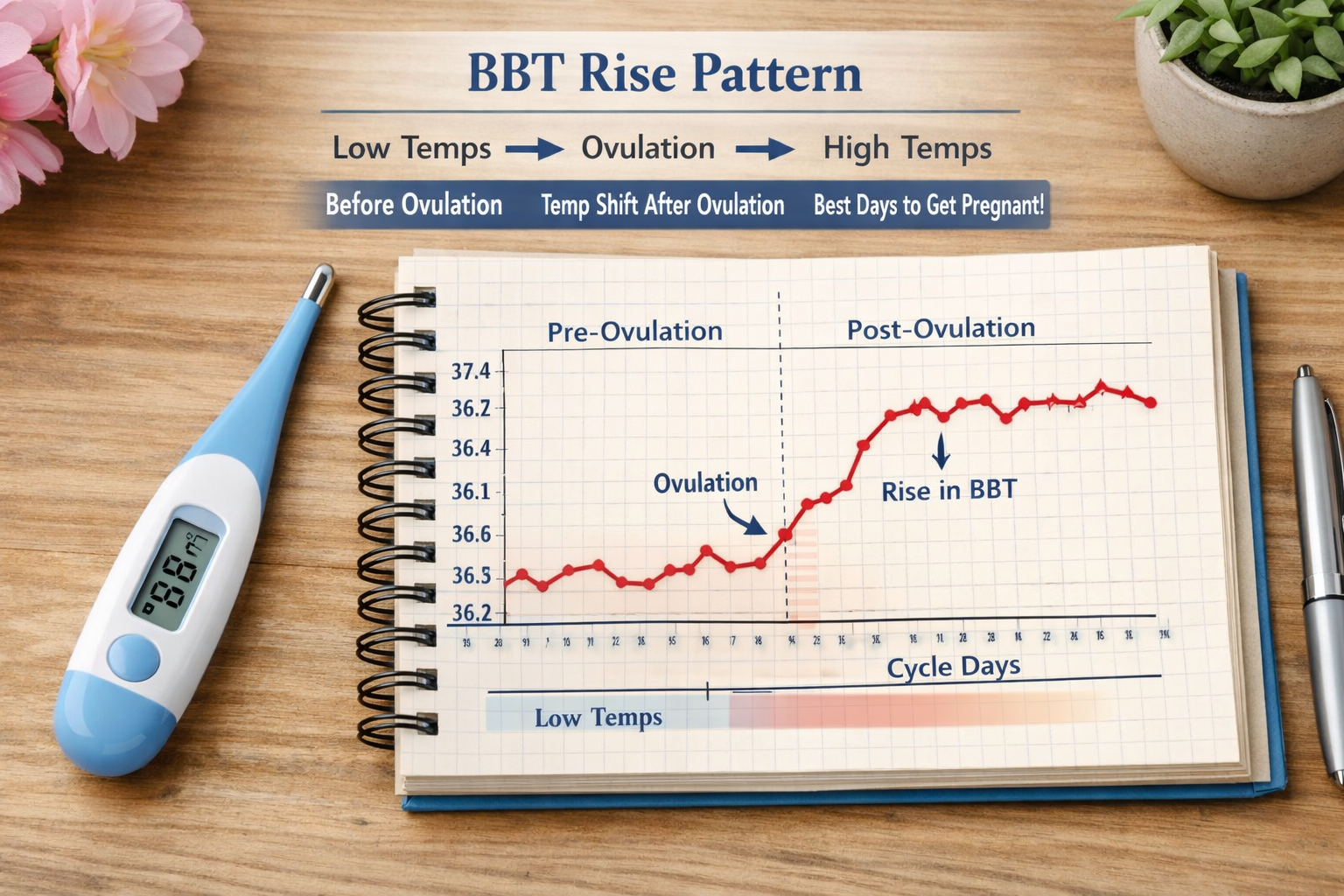
- How it works: Your basal body temperature (your lowest resting temperature) rises slightly (0.5 to 1.0 degree Fahrenheit) after ovulation and remains elevated until your next period. This rise is due to the increase in progesterone.
- Application: Take your temperature every morning at the same time before getting out of bed, eating, or drinking. Chart your temperatures daily. A consistent shift upward indicates ovulation has occurred.
- Pro Tip: BBT confirms ovulation after it happens, so it's best used to identify patterns over several cycles to predict future ovulation. This method helps you learn when your best days to get pregnant typically fall.

-
Cervical Mucus Monitoring:
- How it works: Changes in cervical mucus consistency throughout your cycle reflect fluctuating hormone levels. Leading up to ovulation, mucus becomes clear, stretchy, and resembles raw egg whites – this "fertile quality" mucus helps sperm travel and survive.
- Application: Observe your cervical mucus daily. Note its color, consistency, and amount. When it becomes slippery and stretchy, you are likely in your fertile window.
- Benefit: This method can indicate your fertile window before ovulation, giving you a heads-up on the best days to get pregnant.
-
Ovulation Predictor Kits (OPKs):
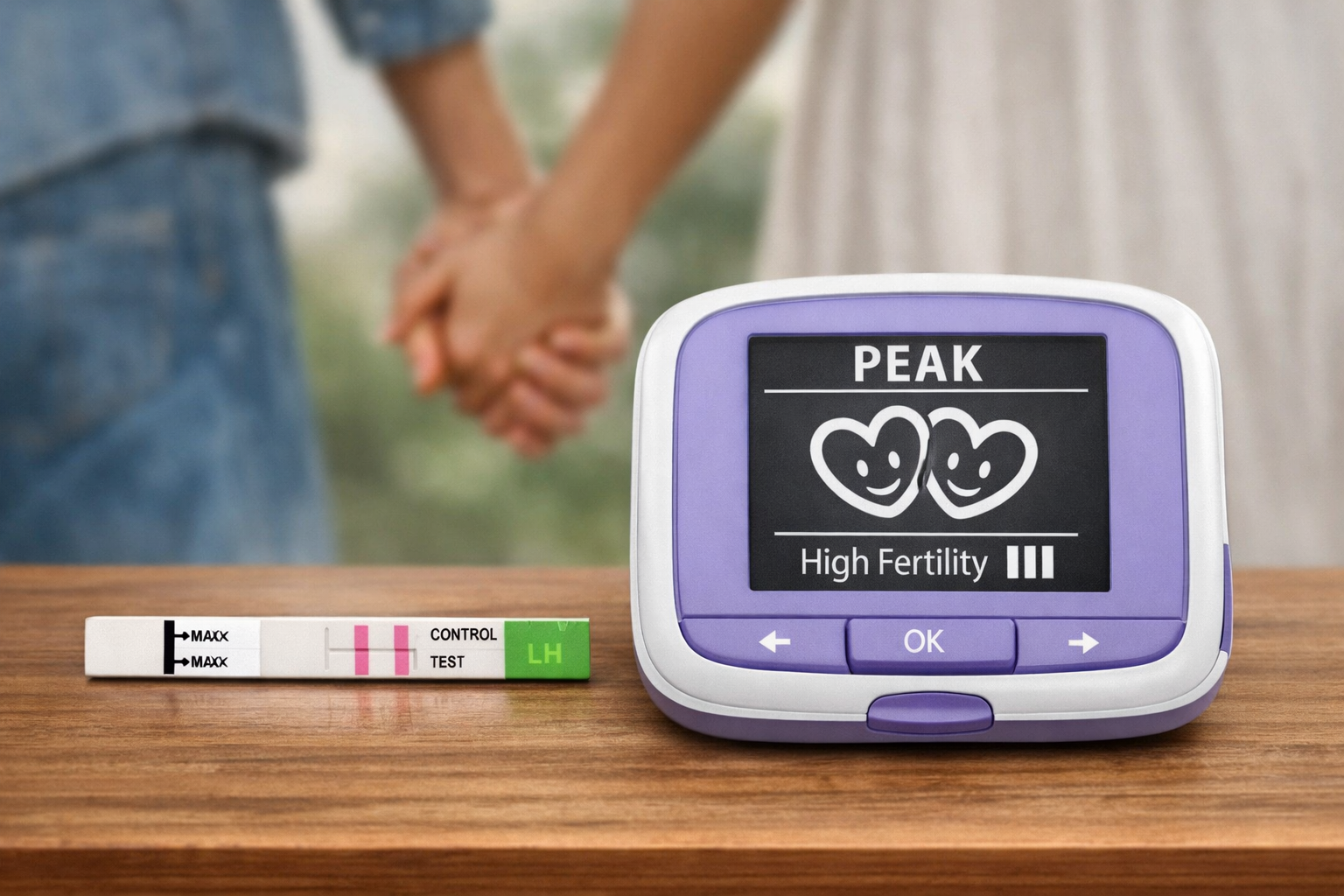
- How it works: OPKs detect the surge in Luteinizing Hormone (LH) that precedes ovulation. The LH surge typically occurs 24-36 hours before the egg is released.
- Application: Use test strips or digital monitors daily during your expected fertile window. A positive result indicates ovulation is imminent.
- Accuracy: OPKs are highly effective at predicting ovulation and are often considered one of the best ways to pinpoint the best days to get pregnant.
- Tool Tip: Our Easy Ovulation Calculator | Find Your Most Fertile Days Fast can help you estimate when to start using OPKs.

-
Fertility Monitors:
- How it works: Advanced monitors track multiple fertility indicators, such as LH and estrogen levels, or even BBT. They provide a daily fertility status (low, high, or peak fertility).
- Application: Follow the device's instructions for daily testing. The monitor interprets the results and displays your fertility status.
- Advantage: These devices can offer a longer warning of your fertile window compared to standard OPKs, making it easier to plan intercourse on the best days to get pregnant.
Combining Methods for Optimal Accuracy:
For the most accurate understanding of your fertile window, many experts recommend combining these methods. For instance, tracking cervical mucus can alert you to the start of your fertile window, OPKs can predict the exact day of ovulation, and BBT can confirm that ovulation has occurred. This multi-pronged approach helps to triangulate your most fertile days.
Optimizing Intercourse Timing: When to Have Sex on Your Best Days to Get Pregnant
Once you've identified your fertile window, the next critical step is to time intercourse effectively to maximize your chances of conception. The goal is to have sperm present in the fallopian tubes when the egg is released.
Given that sperm can survive for several days (up to 5) in the female reproductive tract, and the egg is only viable for 12-24 hours, having intercourse before ovulation is often more effective than waiting until the day of ovulation itself. This ensures a fresh supply of sperm is ready and waiting for the egg.
Strategic Timing for Conception:
- Before Ovulation: Intercourse 1-2 days before ovulation offers excellent chances of conception. The sperm are already in place when the egg is released.
- Day of Ovulation: Having sex on the day of ovulation also offers high chances. If you get a positive OPK, aim to have intercourse that day and the following day.
- Frequency: For couples actively trying to conceive, having intercourse every day or every other day during the fertile window is generally recommended. This ensures a continuous supply of healthy sperm.
- Avoid Waiting: Do not wait until after ovulation to have intercourse. By the time you confirm ovulation with a BBT rise, the egg may no longer be viable.
- Myth Busting: There's no scientific evidence that specific positions or lying down for extended periods after intercourse increases the chance of conception.
For a more personalized estimate of your conception date based on your due date, you can explore resources like "Conception Date Accuracy from Due Date: 2026 Expert Guide". This can help contextualize your efforts to conceive on the best days to get pregnant.
Age and Fertility: How It Affects Your Best Days to Get Pregnant
Age is one of the most significant factors influencing fertility and the ease with which couples can conceive, directly impacting the likelihood of success even when timing intercourse perfectly on the best days to get pregnant. A woman's fertility typically peaks in her 20s and begins to decline in her early 30s, with a more rapid decline after age 35.
This decline is primarily due to a decrease in both the quantity and quality of eggs. For men, fertility also declines with age, but generally at a slower rate than for women. Understanding these age-related changes is crucial for setting realistic expectations and deciding when to seek medical advice.
Age-Related Fertility Changes:
| Age Range (Female) | General Fertility Status | Probability of Conception Per Cycle | Considerations for Best Days to Get Pregnant |
|---|---|---|---|
| Early 20s | Peak Fertility | 20-25% | Regular cycles, strong ovulation signals. |
| Late 20s - Early 30s | High Fertility | 15-20% | Good chance, minor decline. |
| Mid-30s | Fertility Begins Decline | 10-15% | More variable cycles, need consistent tracking. For more details, see our guide on "What Are My Chances of Getting Pregnant at 35?". |
| Late 30s | Significant Decline | 5-10% | Cycles may become less regular, reduced egg quality. Read "What Are My Chances of Getting Pregnant at 40?". |
| 40s+ | Low Fertility | <5% | Often requires medical intervention, more difficult to pinpoint optimal days. |
These probabilities are estimates and can vary widely based on individual health and lifestyle.
It's also important to note that while the focus is often on female age, male fertility also plays a role. Sperm quality and motility can decrease with age, affecting the chances of conception. If you're over 35 and have been trying to conceive for six months without success, or over 40 and trying for three months, it's generally recommended to consult a fertility specialist. They can help identify any underlying issues and provide guidance on the most effective strategies for finding the best days to get pregnant and beyond.
Lifestyle Factors: Supporting Your Body for Conception
Beyond tracking your cycle, adopting a healthy lifestyle can significantly support your body's ability to conceive and makes identifying the best days to get pregnant even more effective. Fertility is influenced by a range of factors, and optimizing your overall health can improve hormone balance, egg and sperm quality, and reproductive function.
These lifestyle adjustments are beneficial for both partners and can create a more hospitable environment for a successful pregnancy. They aren't quick fixes but contribute to long-term reproductive health.
Essential Lifestyle Factors for Fertility:
- Balanced Nutrition:
- What to do: Focus on a diet rich in fruits, vegetables, whole grains, lean proteins, and healthy fats. Incorporate foods high in folic acid (leafy greens, beans), iron (lean meats, fortified cereals), and Omega-3 fatty acids (fish, flaxseed).
- Why it helps: Proper nutrition provides essential nutrients for hormone production, egg development, and sperm quality.
- Maintain a Healthy Weight:
- What to do: Aim for a healthy Body Mass Index (BMI). Both being underweight and overweight can disrupt hormone balance and ovulation.
- Why it helps: Optimal weight supports regular ovulation and improves the chances of successful conception.
- Regular Exercise:
- What to do: Engage in moderate exercise regularly (e.g., 30 minutes, most days of the week). Avoid excessive high-intensity training, which can sometimes negatively impact ovulation.
- Why it helps: Exercise can help maintain a healthy weight, reduce stress, and improve overall reproductive health.
- Stress Management:
- What to do: Practice stress-reducing techniques such as yoga, meditation, deep breathing exercises, or spending time in nature.
- Why it helps: Chronic stress can disrupt hormonal balance and potentially interfere with ovulation, making it harder to identify the best days to get pregnant.
- Avoid Harmful Substances:
- What to do: Quit smoking, limit alcohol intake, and avoid recreational drugs. Reduce caffeine consumption.
- Why it helps: These substances can negatively impact egg and sperm quality, hormone levels, and the overall success of conception.
- Adequate Sleep:
- What to do: Aim for 7-9 hours of quality sleep per night.
- Why it helps: Sleep plays a vital role in hormone regulation, including those involved in the menstrual cycle and fertility.

These lifestyle adjustments create a healthier foundation for fertility. While they won't guarantee pregnancy, they significantly improve your body's readiness for conception, making the efforts to identify and utilize the best days to get pregnant more impactful. For more context on the general timeline, consider reading "How Long Does It Take to Get Pregnant Naturally?".
Common Mistakes When Trying to Conceive and How to Avoid Them
When actively trying to conceive, it's easy to fall into common pitfalls that can inadvertently hinder your efforts. Recognizing these mistakes and knowing how to avoid them can significantly improve your chances of identifying the best days to get pregnant and achieving conception.
Many couples misunderstand the fertile window or become overly stressed by the process, both of which can be counterproductive. Being informed and patient is key.
Pitfalls to Avoid:
-
Only Having Intercourse on the Day of Ovulation:
- Mistake: Many couples believe they only need to have sex on the exact day of ovulation.
- Why it's wrong: The egg is only viable for 12-24 hours, but sperm can live for up to 5 days. Having sperm waiting for the egg before ovulation maximizes chances.
- Solution: Aim for intercourse every 1-2 days during the entire 6-day fertile window, especially in the 2-3 days leading up to ovulation.
-
Not Tracking Ovulation Accurately:
- Mistake: Relying solely on a calendar app that predicts ovulation based on an average cycle, or guessing.
- Why it's wrong: Cycle lengths vary, and ovulation can shift. Generic predictions may miss your actual fertile window.
- Solution: Use a combination of methods like BBT tracking, cervical mucus monitoring, and OPKs to confirm your specific ovulation day. Our Fertile Window Calculator – Best Days to Conceive & Ovulation Tracker (Free) can help you estimate, but always back it up with physical tracking.
-
Becoming Overly Stressed or Obsessed:
- Mistake: Allowing the process of trying to conceive to become overwhelming, stressful, and impact your relationship.
- Why it's wrong: While the direct impact of stress on fertility is debated, high stress levels can negatively affect overall well-being and libido, making the process less enjoyable.
- Solution: Take breaks, find stress-reducing activities, communicate openly with your partner, and remember that conception can take time. Focus on the journey, not just the outcome.
-
Ignoring Male Fertility Factors:
- Mistake: Assuming fertility issues are always with the female partner.
- Why it's wrong: Male factor infertility contributes to about one-third of all infertility cases.
- Solution: Both partners should focus on healthy lifestyle choices. If conception is delayed, both partners should consider fertility evaluations.
-
Seeking Help Too Late:
- Mistake: Waiting too long to consult a healthcare provider or fertility specialist.
- Why it's wrong: Age is a significant factor, and delaying investigation can reduce success rates for certain interventions.
- Solution: If you are under 35 and have been trying for 12 months without success, or over 35 and trying for 6 months, consult a doctor. For those over 40, consider a consultation after 3 months.

Avoiding these common mistakes can streamline your path to conception and make the process of identifying and utilizing the best days to get pregnant much more effective and less frustrating.
Conclusion
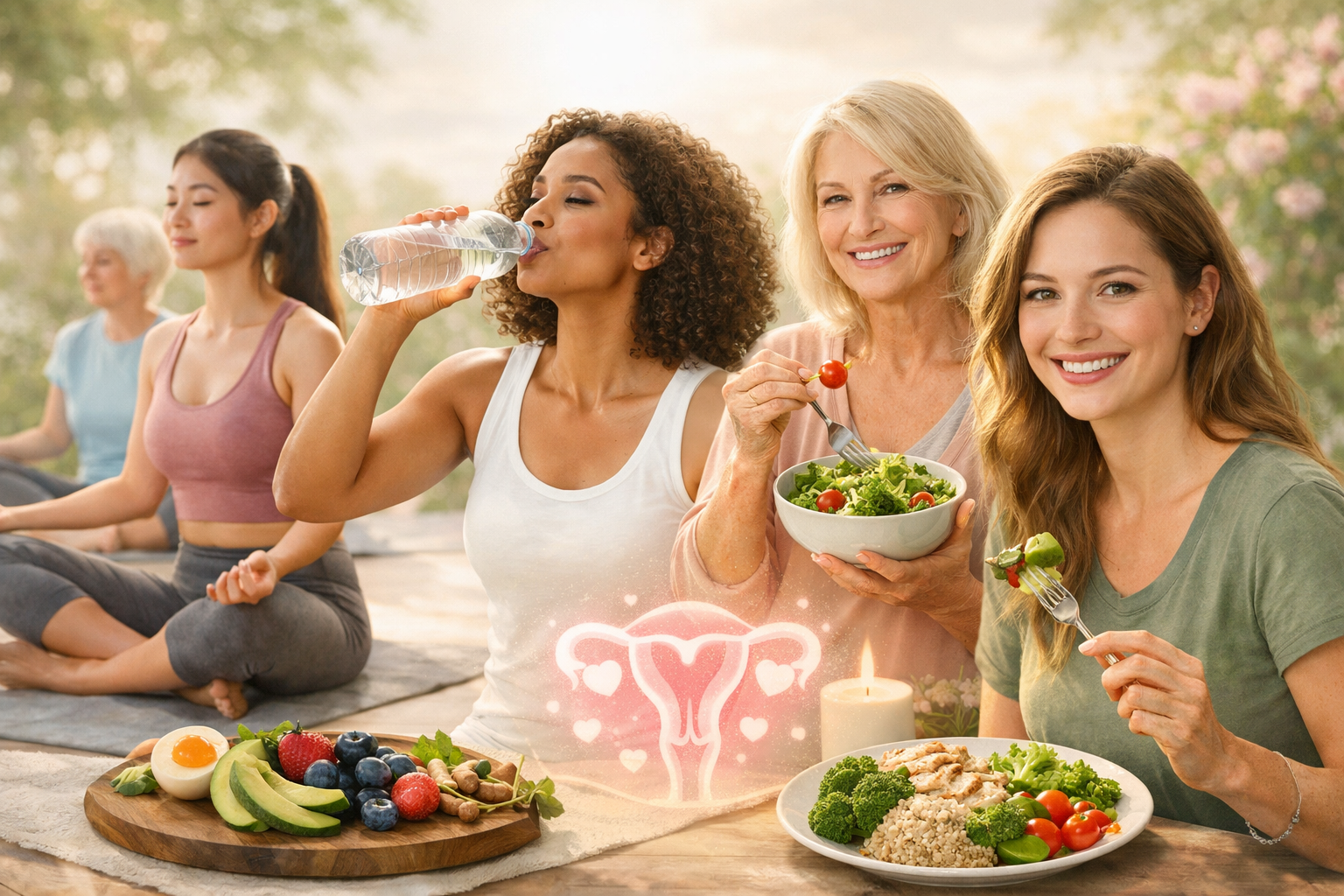
Successfully identifying the "best days to get pregnant" hinges on a deep understanding of your unique menstrual cycle and consistent, accurate ovulation tracking. By utilizing methods such as BBT monitoring, cervical mucus observation, and ovulation predictor kits, you can pinpoint your fertile window – the crucial 5 days leading up to and including ovulation. Strategic timing of intercourse during this period, coupled with healthy lifestyle choices, significantly boosts your chances of conception.
Remember that patience is key, and individual results can vary based on age, health, and other factors. If you've been consistently trying for an extended period without success, or if you have any concerns, don't hesitate to consult a healthcare professional. Empower yourself with knowledge and precise tracking to navigate your fertility journey effectively.
Actionable Next Steps:
- Start Tracking: Begin monitoring your basal body temperature and cervical mucus daily, or invest in an ovulation predictor kit.
- Use Our Calculator: Utilize our free Fertile Window Calculator – Best Days to Conceive & Ovulation Tracker (Free) to get an estimated fertile window based on your cycle details.
- Adopt Healthy Habits: Focus on a balanced diet, moderate exercise, and stress reduction to support your overall fertility.
- Consult a Professional: If you're over 35 and have been trying for 6 months, or under 35 and trying for a year, schedule an appointment with your doctor.
FAQ
What are the "best days to get pregnant" if I have irregular cycles?
If you have irregular cycles, pinpointing the "best days to get pregnant" relies heavily on active tracking methods like daily basal body temperature (BBT) monitoring and ovulation predictor kits (OPKs), rather than calendar-based predictions. You may need to test with OPKs for a longer duration each cycle.
How soon after sex can I get pregnant on my "best days"?
Conception typically occurs when sperm fertilizes an egg, which can happen within minutes to hours after intercourse, as long as the egg is present and viable. Implantation, when the fertilized egg attaches to the uterine wall, usually happens 6-12 days after ovulation.
Can I get pregnant outside my fertile window?
While technically possible, the chances of getting pregnant outside your fertile window (the 5 days before and the day of ovulation) are extremely low. The egg is only viable for 12-24 hours after release, making precise timing essential.
How accurate are ovulation calculators for finding the "best days to get pregnant"?
Ovulation calculators provide estimates based on average cycle lengths. While helpful for a general idea, they are less accurate than real-time tracking methods like OPKs, BBT charting, and cervical mucus observation, especially if your cycle length varies. For higher accuracy, use them as a starting point.
What if I don't see clear ovulation signs during my "best days to get pregnant"?
If you're not seeing clear ovulation signs despite tracking, it could indicate an anovulatory cycle (no ovulation) or a subtle ovulation. Consult your doctor, especially if you've been trying to conceive for several months, as they can perform tests to confirm ovulation.
How do I know if I'm ovulating if I'm on birth control?
You typically do not ovulate while on most hormonal birth control methods because they work by suppressing ovulation. If you are on birth control and trying to get pregnant, you should stop using it and allow your natural cycle to return before attempting to identify your "best days to get pregnant."
Does the time of day matter for intercourse during the "best days to get pregnant"?
No, the time of day for intercourse does not significantly impact your chances of getting pregnant. The key factor is having viable sperm present in the reproductive tract when ovulation occurs, regardless of the time.
Can stress affect my "best days to get pregnant"?
Chronic stress can potentially disrupt hormonal balance and lead to irregular ovulation, making it harder to predict your "best days to get pregnant." While acute stress is unlikely to stop ovulation, managing stress is beneficial for overall reproductive health.
How long should I try to conceive on my "best days" before seeing a doctor?
If you are under 35, generally try for 12 months. If you are 35 or older, consider seeing a doctor after 6 months. For women over 40, it's advisable to consult a fertility specialist after 3 months of trying.
What is the "fertile window" and how is it related to the "best days to get pregnant"?
The fertile window is the period during the menstrual cycle when unprotected intercourse is most likely to result in pregnancy. It includes the 5 days leading up to ovulation and the day of ovulation itself. The "best days to get pregnant" are precisely within this fertile window, with the 2-3 days immediately before and including ovulation offering the highest probability.
PRO TIP
Unlock your highest chances of conception! Use our free AI Ovulation Predictor | Advanced Fertility Tracking with Machine Learning to find your exact fertile days with cutting-edge accuracy. Don't leave your fertility to chance – track your cycle smarter and discover your personal "best days to get pregnant" for 2026.
Related Reading
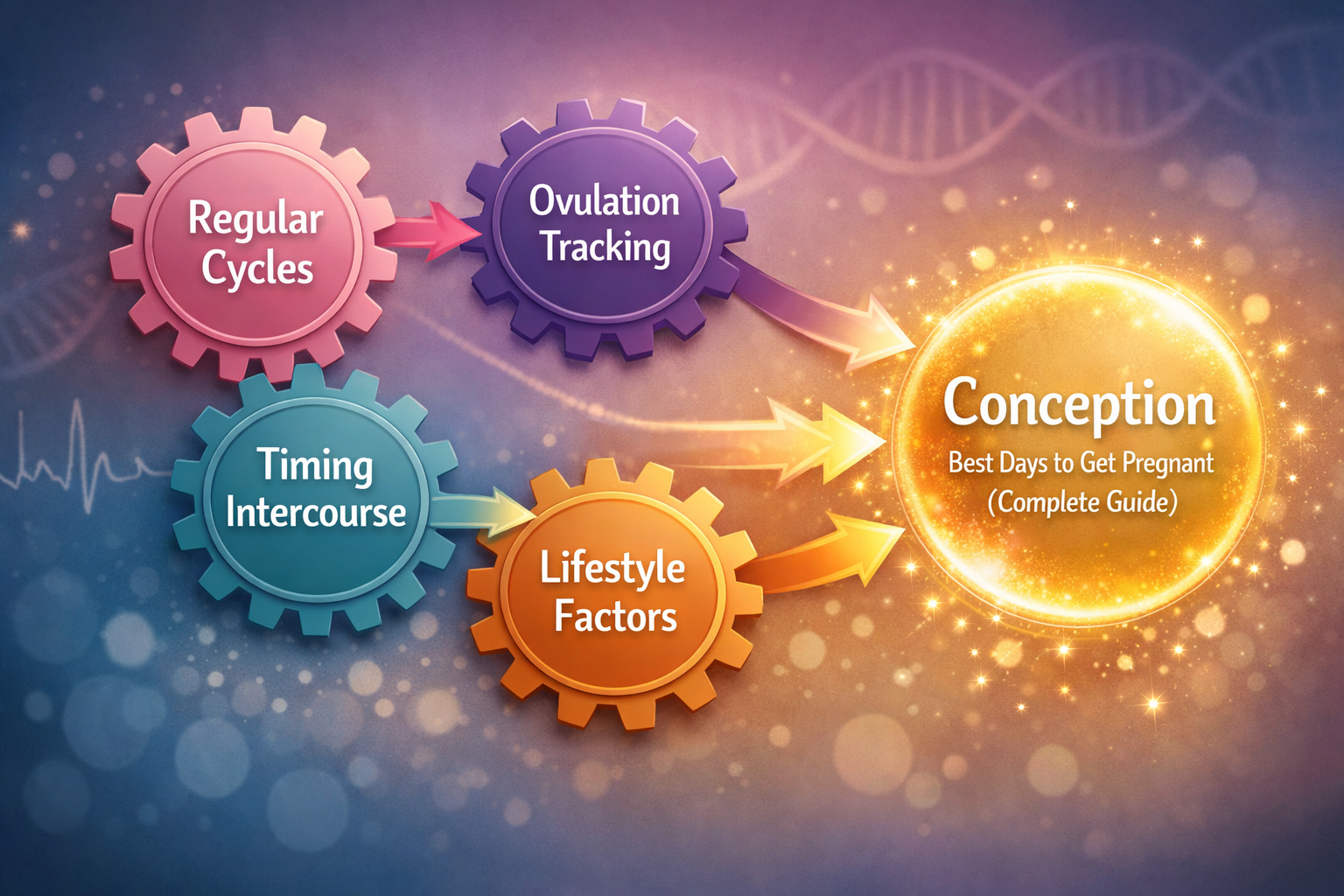
- Fertile Window Calculator – Best Days to Conceive & Ovulation Tracker (Free)
- Can You Get Pregnant With Late Ovulation? | Expert Guide
- How Long Does It Take to Get Pregnant Naturally?
- What Are My Chances of Getting Pregnant at 35?
- Easy Ovulation Calculator | Find Your Most Fertile Days Fast
References
- American College of Obstetricians and Gynecologists (ACOG). (2019). Optimizing Chances for Pregnancy.
- National Institute of Environmental Health Sciences (NIEHS). (n.d.). Fertility and Cycle Tracking.