Fertile Window Calculator

Find your most fertile days and best time to get pregnant using your cycle data.

50,000+ women
Clinic-backed

Fertility forecast will appear here

Enter your cycle info on the left, then tap Calculate.

Peak Fertility Day — waiting for your data
Fertile Window — waiting for your data
Ovulation Day — waiting for your data
Fertility Progress — waiting for your data

👉 Success Tip: Tracking your LH surge with an ovulation kit is the most accurate way to confirm the fertile window our calculator has estimated for you.

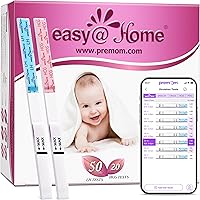
Easy@Home Ovulation and Pregnancy Test Kit
#1 Best Seller

Easy@Home 50 Ovulation & 20 Pregnancy Test Strips Kit

The #1 choice for tracking LH surges and confirming timing throughout your entire cycle.

View on Amazon

Maximizing Your Conception Chances

Timing Intercourse

The best time to get pregnant is during the 2 days leading up to ovulation and the day of ovulation itself. This ensures sperm are present when the egg is released.

Irregular Cycles

If your cycles are irregular, calendar methods are less reliable. We recommend combining this calculator with ovulation predictor kits (OPKs) for better accuracy.

Frequently Used Tools

Recommended Pregnancy Tests

Bulk Tests
Easy@Home Bulk Strips

Best for daily testing & high volume.

View on Amazon →
Digital Tests
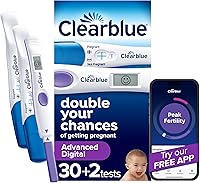
Clearblue Early Digital

Best for clear, early detection result.

View on Amazon →

As an Amazon Associate, we may earn from qualifying purchases.

Common Questions About Your Fertile Window

When am I most fertile after my period?

Most women are most fertile around 10–14 days after the first day of their last period, assuming a 28-day cycle. For shorter or longer cycles, ovulation shifts accordingly — with a 30-day cycle, ovulation typically occurs around day 16. Use the calculator above with your actual cycle length for a precise date.

What is a fertile window and how many days does it last?

The fertile window is the 6-day period when pregnancy is possible — the 5 days before ovulation and the day of ovulation itself. This window exists because sperm can survive up to 5 days inside the female reproductive tract, meaning intercourse before ovulation can still lead to pregnancy.

What are the best days to get pregnant?

The best days to get pregnant are the 2 days before ovulation and the day of ovulation — these 3 days give you the highest probability of conception per cycle, around 25–30%. Having intercourse every 1–2 days throughout your entire fertile window further maximizes your chances.

How do I calculate my fertile window?

To calculate your fertile window, subtract 14 days from your cycle length to find your ovulation day, then count back 5 days from ovulation — that 6-day range is your fertile window. For example, with a 28-day cycle, ovulation is around day 14, so your fertile window is days 9–14. Our calculator does this automatically.

How many days after my period can I get pregnant?

For a typical 28-day cycle with a 5-day period, you could get pregnant from around day 9 onwards (4 days after your period ends), as this is when the fertile window begins. With shorter cycles (21–24 days), the fertile window can start as early as day 4–6, meaning you may be fertile while still on your period.

Can I get pregnant outside my fertile window?

It is very unlikely but possible. Cycle lengths can vary month to month, meaning ovulation may occur earlier or later than predicted. This is why using ovulation predictor kits (OPKs) alongside a calculator gives you more accurate confirmation of your actual fertile window each cycle.

What is the best time to get pregnant calculator?

The best time to get pregnant calculator above works by taking your last period date and average cycle length, calculating your ovulation date, and showing your full 6-day fertile window. It also highlights your 3 peak days — the 2 days before ovulation and ovulation day itself — when conception chances are highest.

Medical Disclaimer: This tool is for informational and educational purposes only. It is not a substitute for professional medical advice, diagnosis, or treatment. Always consult your healthcare provider for personalized guidance about your fertility and pregnancy.