
For many women, the mid-thirties represent a period of professional accomplishment, personal growth, and often, a readiness to start a family. However, a common concern arises: "What are my chances of getting pregnant at 35?" This article aims to provide a comprehensive, clear, and reassuring answer, offering insights into fertility at this age, factors influencing conception, and available support. Understanding your body and the options available can empower you on your path to parenthood in 2026.
Key Takeaways
- At 35, a woman's fertility is naturally declining, but many women still conceive successfully.
- The average monthly chance of conception for a healthy 35-year-old is around 15-20%.
- Egg quality and quantity naturally decrease after 35, affecting pregnancy rates and increasing miscarriage risk.
- Lifestyle factors, underlying health conditions, and male fertility significantly impact conception chances.
- Fertility tracking methods, such as ovulation calculators and basal body temperature (BBT) charting, are crucial for maximizing natural conception at this age.
- If natural conception doesn't occur within six months, consulting a fertility specialist is recommended.
- Assisted Reproductive Technologies (ART) like IVF offer viable options for women at 35 and older.
- Age is just one factor; individual health and lifestyle play a major role in overall fertility.
Quick Answer
At 35, a woman's chances of getting pregnant naturally are still good, though they begin to decline more noticeably than in her late 20s or early 30s. On average, a healthy 35-year-old woman has about a 15-20% chance of conceiving per menstrual cycle. While fertility is reduced compared to younger ages, many women successfully conceive and carry a healthy pregnancy to term at 35 and beyond, especially with informed planning and proactive health management.
How Does Age Affect Fertility at 35?
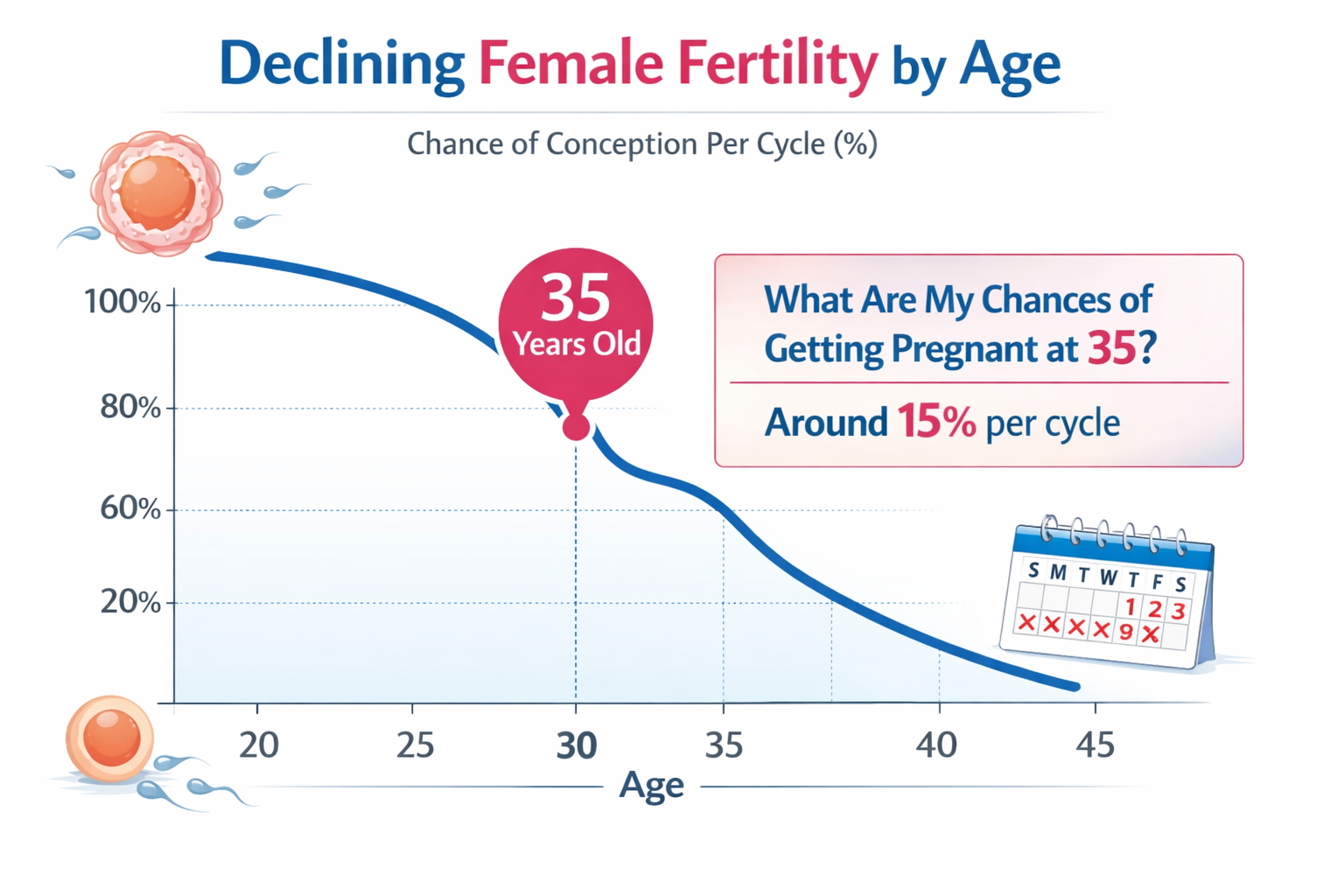
At 35, a woman's fertility is experiencing a gradual, but noticeable, decline primarily due to changes in egg quantity and quality. This means that while conception is still very possible, it typically takes longer for women in this age group to get pregnant compared to those in their late 20s or early 30s.
Supporting Detail: Women are born with all the eggs they will ever have, approximately one to two million. By puberty, this number drops to around 300,000 to 500,000. Each month, a cohort of eggs begins to mature, but typically only one is ovulated, and the others degenerate. As a woman ages, the total number of remaining eggs (ovarian reserve) decreases, and the quality of these eggs also declines.
- Egg Quantity (Ovarian Reserve): The total number of viable eggs available diminishes significantly after age 35. A lower ovarian reserve means fewer opportunities for a healthy egg to be released during ovulation.
- Egg Quality (Chromosomal Health): Older eggs are more prone to chromosomal abnormalities. This increases the risk of miscarriage and certain genetic conditions in offspring.
- Cumulative Conception Rate: While the monthly chance may be 15-20% at 35, the cumulative chance over a year is still high. Approximately 80% of healthy 35-year-olds will conceive within one year of trying, and about 90% within two years. This is slightly lower than the 90-95% cumulative rate for women in their late 20s/early 30s.
- Miscarriage Risk: The risk of miscarriage also increases with age due to egg quality issues. For a woman at 35, the miscarriage rate is approximately 20-25%, compared to 10-15% for women under 30 (American Society for Reproductive Medicine, 2024).
Decision Rule: If you are 35 and have been trying to conceive for six months without success, it is generally recommended to consult a fertility specialist. This timeframe is shorter than for younger women (who typically wait 12 months) due to the age-related decline in fertility. You can estimate your pregnancy chance by age using our calculator for a more personalized insight.
What Are My Chances of Getting Pregnant at 35 Naturally?
Your chances of getting pregnant at 35 naturally are good, with most healthy women conceiving within one to two years of consistent, unprotected intercourse. On a per-cycle basis, the probability is around 15-20%, which means for every 100 healthy women trying to conceive each month, 15-20 will become pregnant.
Supporting Detail: Natural conception relies on several factors, including regular ovulation, healthy sperm, and open fallopian tubes. At 35, these factors are still typically present, but the biological efficiency starts to wane.
- Monthly Probability: Research indicates that the monthly probability of conception for a 35-year-old woman is roughly 15-20%. This is often cited in studies on natural fertility decline (Human Reproduction Update, 2013).
- Cumulative Chances Over Time:
- Within 6 months: Around 60-70%
- Within 12 months: Around 80%
- Within 24 months: Around 90%
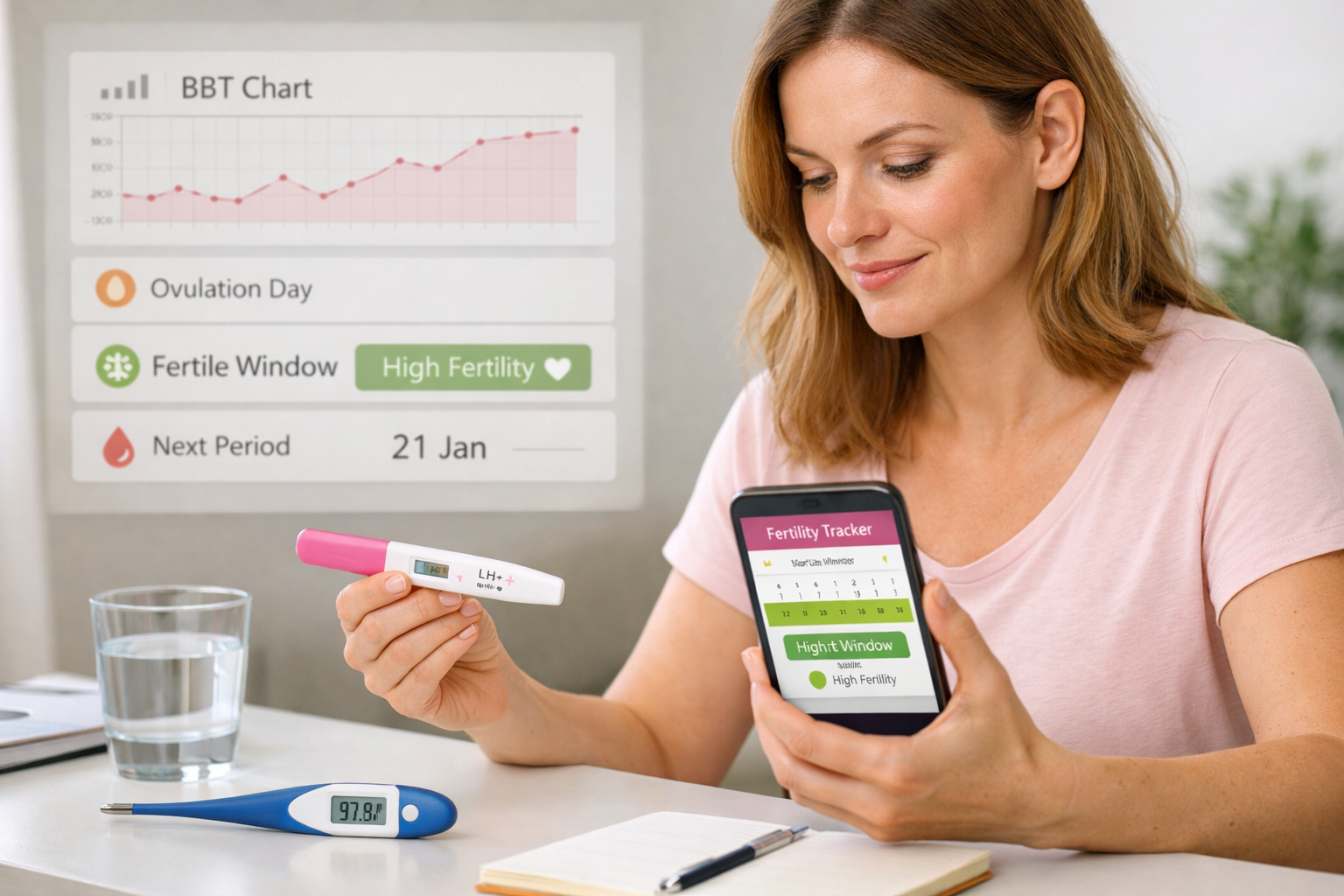
- Fertile Window Importance: To maximize natural chances, it's crucial to understand and accurately identify your fertile window, the 5-6 days leading up to and including ovulation. Having intercourse every one to two days during this period significantly increases the likelihood of conception. Tools like an AI Ovulation Predictor or a Fertile Window Calculator can be highly beneficial.
- Male Fertility: It's important to remember that male fertility also plays a role. While often less discussed, male fertility can also decline with age, and sperm health is critical for conception.
Common Mistake: Many women believe that once they turn 35, their chances drop drastically overnight. In reality, the decline is gradual. The "35" mark is often used as a clinical threshold to recommend earlier fertility investigations, not as a sudden drop-off point for all fertility.
What Factors Influence My Chances of Getting Pregnant at 35?
Several factors significantly influence your chances of getting pregnant at 35, extending beyond just chronological age to include lifestyle, overall health, and male fertility. Optimizing these areas can notably improve your prospects.
Supporting Detail:
- Overall Health and Lifestyle:
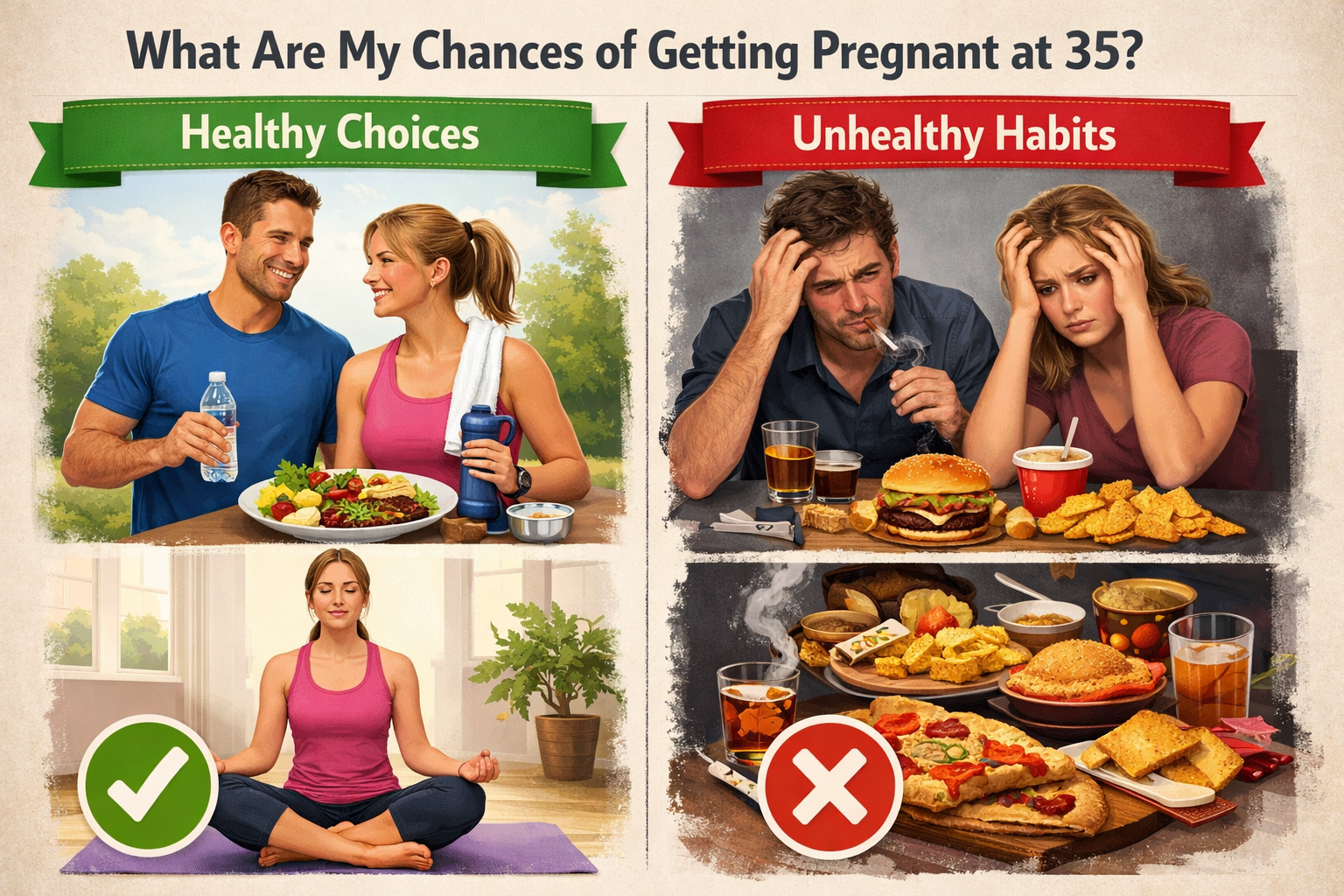
- Weight: Being underweight or overweight can disrupt hormone balance and ovulation. Maintaining a healthy BMI (18.5-24.9) is crucial for fertility.
- Diet: A balanced, nutrient-rich diet supports reproductive health. Limiting processed foods, excessive sugar, and unhealthy fats can positively impact egg quality.
- Exercise: Moderate regular exercise is beneficial, but excessive, high-intensity exercise can sometimes interfere with ovulation.
- Stress: Chronic stress can affect hormone regulation. Stress-reduction techniques like yoga, meditation, or therapy can be helpful.
- Smoking and Alcohol: Both smoking (active or passive) and excessive alcohol consumption are detrimental to egg quality and overall fertility. It is recommended to quit smoking and limit alcohol intake when trying to conceive.
- Caffeine: High caffeine intake may be linked to reduced fertility and increased miscarriage risk (Journal of Reproductive Medicine, 2017).
- Underlying Medical Conditions:
- Endometriosis: A condition where tissue similar to the lining of the uterus grows outside the uterus, potentially affecting fertility.
- Polycystic Ovary Syndrome (PCOS): A hormonal disorder causing irregular ovulation.
- Fibroids: Non-cancerous growths in the uterus that can sometimes interfere with implantation or sperm transport.
- Thyroid Disorders: Both hypo- and hyperthyroidism can impact ovulation and increase miscarriage risk.
- Sexually Transmitted Infections (STIs): Past STIs can lead to pelvic inflammatory disease (PID), which can damage fallopian tubes.
- Male Fertility:
- Sperm quality, count, and motility are just as important as egg quality. Male fertility can also decline with age, though typically later than female fertility.
- Lifestyle factors (smoking, alcohol, diet, stress) also affect male fertility.
- Frequency and Timing of Intercourse: Consistent intercourse during the fertile window is paramount. Tracking ovulation accurately, perhaps using a BBT Chart Tool or an ovulation symptoms checker, ensures you don't miss your most fertile days.
Edge Case: For women with regular menstrual cycles, ovulating "late" in their cycle can sometimes affect egg quality. If you suspect late ovulation, our Late Ovulation Calculator can provide adjusted fertile windows.
What Are My Chances of Getting Pregnant at 35 with Fertility Treatment?
If you are 35 and facing challenges with natural conception, fertility treatments significantly improve your chances of getting pregnant, offering effective solutions for various underlying issues. The success rates of these treatments at 35 are generally favorable compared to older age groups.
Supporting Detail: Fertility treatments, collectively known as Assisted Reproductive Technologies (ART), can bypass or address many common fertility barriers.
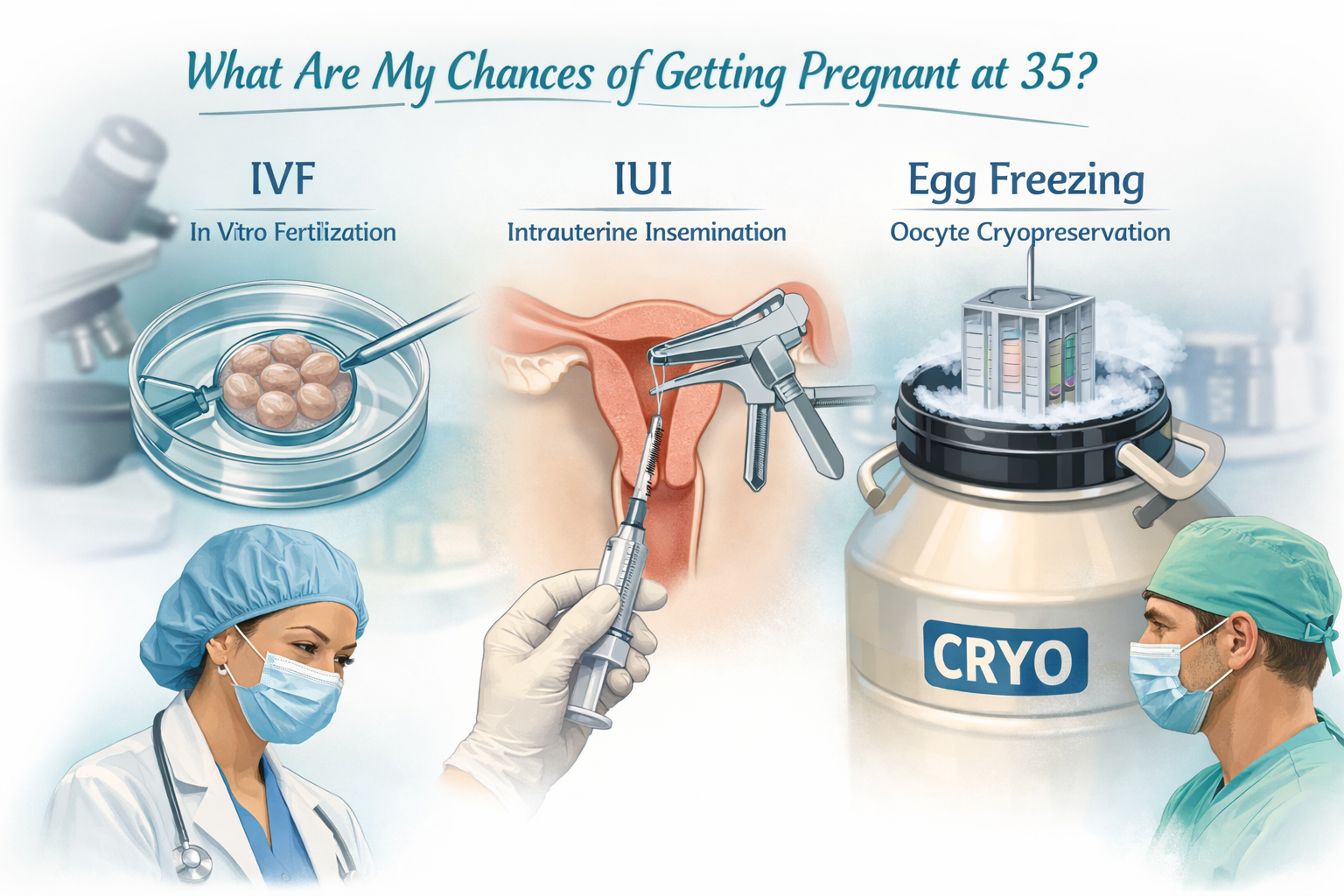
- Intrauterine Insemination (IUI): This involves placing specially washed sperm directly into the uterus around the time of ovulation. It's less invasive than IVF and often a first step for couples with unexplained infertility or mild male factor infertility. Success rates for IUI at 35 are approximately 5-15% per cycle, depending on individual factors (Reproductive Biology and Endocrinology, 2020).
- In Vitro Fertilization (IVF): IVF involves retrieving eggs, fertilizing them with sperm in a laboratory, and then transferring the resulting embryo(s) into the uterus. It is the most effective ART.
- Live Birth Rate for Women aged 35-37 (using own eggs): The national average for live births per IVF cycle started is approximately 30-35% (CDC, 2024). This rate can vary significantly based on individual factors, clinic success rates, and the number of cycles performed.
- Preimplantation Genetic Testing (PGT): PGT can be used with IVF to screen embryos for chromosomal abnormalities before transfer, which can be particularly beneficial for women over 35 to reduce miscarriage risk and improve success rates.
- Egg Freezing (Oocyte Cryopreservation): While not a treatment for current conception, egg freezing at an earlier age (e.g., late 20s, early 30s) can preserve younger, healthier eggs for future use, essentially "pausing" the biological clock. If a woman froze her eggs at 30 and uses them at 35, her chances of conception are based on the age of the eggs, not her current age.
- Donor Eggs: For women whose ovarian reserve is significantly diminished or whose egg quality is a major barrier, using donor eggs can offer very high success rates, typically in the range of 50-70% per cycle, as the eggs are from younger, healthy donors (Society for Assisted Reproductive Technology, 2024).
Checklist for Considering Fertility Treatment:
- Consult a specialist: Schedule an appointment with a reproductive endocrinologist if you've been trying for 6 months without success.
- Undergo comprehensive testing: Both partners should be evaluated for ovarian reserve (e.g., AMH, FSH), semen analysis, fallopian tube patency, and uterine health.
- Discuss all options: Review IUI, IVF, PGT, and donor options based on your specific diagnostic results and personal circumstances.
- Understand success rates: Ask for clinic-specific success rates for your age group.
- Consider financial implications: Fertility treatments can be costly, so explore insurance coverage, financing options, and package deals.
When Should I Seek Professional Advice Regarding My Chances of Getting Pregnant at 35?
You should seek professional advice regarding your chances of getting pregnant at 35 if you have been trying to conceive for six months without success, or immediately if you have known risk factors for infertility. This proactive approach helps identify and address any potential issues sooner, maximizing your options.
Supporting Detail: The American College of Obstetricians and Gynecologists (ACOG) and the American Society for Reproductive Medicine (ASRM) recommend that women aged 35 and older consult a fertility specialist after six months of unprotected intercourse without conception. For women under 35, this recommendation typically applies after one year.
- Immediate Consultation Recommended If You Have:
- A history of irregular or absent periods (suggesting ovulation issues).
- Known uterine conditions like endometriosis or fibroids.
- Previous pelvic infections or surgeries.
- A history of multiple miscarriages.
- Your partner has known fertility issues or has undergone treatments that might affect sperm count/quality.
- Underlying medical conditions like thyroid disorders, autoimmune diseases, or diabetes that are not well-controlled.
- What to Expect During a Consultation:
- Medical History Review: The doctor will take a detailed history from both partners.
- Physical Exam: A general physical and gynecological exam for the woman.
- Fertility Testing:
- For Women: Blood tests (e.g., AMH, FSH, Estradiol to assess ovarian reserve), a hysterosalpingogram (HSG) to check fallopian tube patency, and potentially an ultrasound to evaluate uterine health.
- For Men: A semen analysis to assess sperm count, motility, and morphology.
- Personalized Plan: Based on test results, the specialist will discuss a personalized plan, which could range from lifestyle modifications and timed intercourse to ovulation induction, IUI, or IVF.
Mistake to Avoid: Waiting too long to seek help. While it might feel daunting, delaying a fertility evaluation when recommended can mean losing precious time, especially as fertility continues its natural decline. Early intervention can lead to more effective and less intensive treatments. Remember, our Pregnancy Chance Calculator can give you a starting estimate, but a medical professional offers definitive advice.
Conclusion
Understanding "What are my chances of getting pregnant at 35?" involves appreciating the natural biological shifts in fertility while also recognizing the many factors within your control. While the monthly probability of conception is lower than in younger years, many women successfully conceive at 35, both naturally and with the aid of fertility treatments. Proactive health management, accurate fertility tracking, and timely consultation with a specialist are your most powerful tools. Don't let age alone dictate your journey; embrace informed decision-making and professional guidance to navigate your path to parenthood in 2026.
Actionable Next Steps:
- Track Your Cycle Diligently: Use an Easy Ovulation Calculator or our Fertile Window Calculator to pinpoint your fertile window and optimize intercourse timing.
- Optimize Lifestyle: Review your diet, exercise routine, stress levels, and habits (smoking, alcohol, caffeine) and make healthy adjustments.
- Consult a Specialist: If you've been trying for six months without success or have any known risk factors, schedule an appointment with a reproductive endocrinologist.
- Educate Yourself: Continue learning about fertility and treatment options to make informed choices.
FAQ
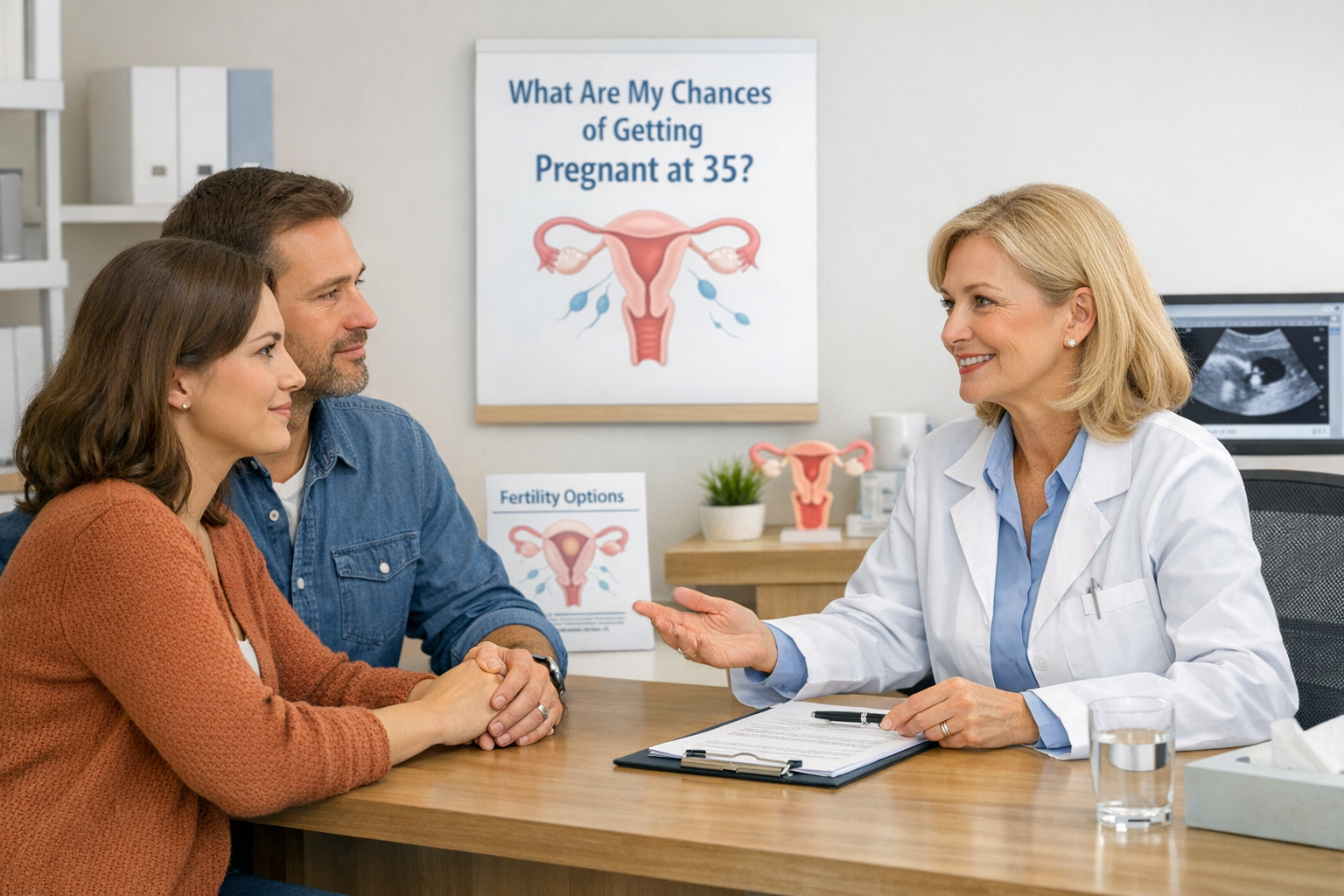
Q: Is 35 too old to get pregnant naturally? A: No, 35 is not too old. Many women conceive naturally at 35, though the process might take longer due to a natural decline in egg quality and quantity.
Q: What is the monthly chance of getting pregnant at 35? A: For a healthy 35-year-old woman, the monthly chance of conception is approximately 15-20% per menstrual cycle.
Q: How long should I try to conceive naturally at 35 before seeing a doctor? A: It is recommended to seek professional advice after six months of regular, unprotected intercourse if you are 35 or older.
Q: Does egg quality decline significantly at 35? A: Yes, egg quality, particularly the chromosomal health of eggs, begins to decline more noticeably after 35, increasing the risk of miscarriage and certain genetic conditions.
Q: Can lifestyle changes improve my chances of getting pregnant at 35? A: Absolutely. Maintaining a healthy weight, eating a balanced diet, exercising moderately, reducing stress, and avoiding smoking and excessive alcohol can significantly support fertility.
Q: What are the success rates of IVF at 35? A: For women aged 35-37 using their own eggs, the live birth rate per IVF cycle started is approximately 30-35%, but this can vary by clinic and individual factors.
Q: Is it harder to get pregnant with a second child at 35 if I had my first earlier? A: Yes, secondary infertility can occur. While you've been pregnant before, your age at the time of trying for the second child will still impact your current fertility, similar to first-time pregnancies at 35.
Q: Are there more risks associated with pregnancy at 35? A: There's a slightly increased risk of certain complications, such as gestational diabetes, preeclampsia, C-section, and chromosomal abnormalities, but most pregnancies at 35 are healthy and successful.
Q: Does male partner's age matter when trying to conceive at 35? A: Yes, male fertility can also decline with age, affecting sperm quality and count, which can impact conception chances. Both partners' ages are relevant.
Q: What blood tests can tell me about my fertility at 35? A: Key blood tests include Anti-Müllerian Hormone (AMH) to assess ovarian reserve, Follicle-Stimulating Hormone (FSH), and Estradiol, typically done on day 3 of your menstrual cycle.
Sources
- American Society for Reproductive Medicine. (2024). Age and Fertility: A Guide for Patients.
- Centers for Disease Control and Prevention (CDC). (2024). Assisted Reproductive Technology Fertility Clinic Success Rates Report.
- Human Reproduction Update. (2013). The impact of female aging on fertility: a systematic review.
- Journal of Reproductive Medicine. (2017). Effect of caffeine intake on fertility: a meta-analysis.
- Reproductive Biology and Endocrinology. (2020). Efficacy of intrauterine insemination in different female age groups.
- Society for Assisted Reproductive Technology (SART). (2024). National Summary Report.