
How the Ovulation Symptoms Checker Works
The ovulation symptoms checker is an educational tool designed to help you organize and review common physical changes that can accompany your menstrual cycle. By selecting the symptoms you have observed and providing the start date of your last menstrual period (LMP) alongside your typical cycle length, you receive a clear educational summary that correlates your observations with estimated cycle timing.
The tool summarizes the specific signs you report and provides calendar-based context regarding where those symptoms fall within an estimated cycle window. However, physical sensations alone cannot establish whether ovulation is currently occurring or will occur on a specific date. Every individual experiences hormonal shifts differently, and symptoms can vary from one cycle to the next.
If you are looking for a calendar-based estimate of your ovulation date based on cycle intervals, use our ovulation calculator. If you want to analyze how your cycle length fluctuates over multiple months, our AI ovulation predictor assesses multi-cycle historical patterns to show how cycle variability impacts estimated timing.
Common Ovulation Symptoms
Throughout the menstrual cycle, fluctuating levels of estrogen, luteinizing hormone (LH), and progesterone trigger physiological responses in reproductive tissues. While some people notice clear physical sensations, others experience few or no noticeable changes.
Cervical Mucus Changes
As estrogen levels rise in the days preceding ovulation, cervical mucus often shifts in volume and texture. Many people notice that secretions become clearer, more slippery, and stretchy, resembling raw egg whites (often called egg-white cervical mucus or EWCM). This consistency helps sperm travel through the cervix and survive in the reproductive tract.
Positive Ovulation Tests
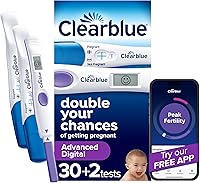
Ovulation predictor kits (OPKs) detect a surge in luteinizing hormone (LH) in urine. This LH surge typically occurs 24 to 36 hours before an ovarian follicle releases an egg. A positive test indicates that the biological trigger for ovulation is present, though it does not confirm that an egg was successfully released.
Mid-Cycle Pelvic Discomfort
Some individuals experience mild, brief discomfort or twinges on one side of the lower abdomen around mid-cycle, traditionally known as mittelschmerz. This sensation may be related to the stretching of the ovarian follicle capsule just before rupture or the release of mild follicular fluid into the pelvic cavity.
Other Cycle-Related Changes
Other reported changes include increased libido, mild breast tenderness, and abdominal bloating. Rising estrogen leading up to ovulation can heighten sexual desire, while early hormonal transitions and fluid retention can produce temporary breast sensitivity or digestive fullness. These sensations can also occur during other phases of the cycle.
Because symptoms are tied to hormonal transitions, tracking your cycle duration with our cycle length calculator can help you identify whether particular sensations follow a predictable cadence from cycle to cycle.
Understanding Cycle Timing
Menstrual cycles vary naturally between individuals and across different cycles in the same person. While 28 days is often cited as a textbook average, healthy cycles commonly range from 21 to 45 days.
A menstrual cycle consists of two primary phases: the follicular phase (from the first day of your period until ovulation) and the luteal phase (from ovulation until the next period). The luteal phase typically lasts 11 to 16 days and remains relatively consistent, whereas the follicular phase can vary significantly based on stress, illness, sleep, and lifestyle factors.
When the follicular phase is prolonged, ovulation happens later in the cycle. If you suspect your cycle is longer than usual, our late ovulation calculator explores how delayed follicular maturation affects timing. To understand the window of days leading up to ovulation when conception is possible, our fertile window calculator details sperm survival and timing considerations.
Symptoms Cannot Confirm Ovulation
It is crucial to understand that physical symptoms alone cannot establish whether ovulation has occurred. Many cycle-related sensations—such as breast fullness, mild pelvic cramping, bloating, and mood changes—are non-specific and are triggered by normal progesterone production or premenstrual hormonal shifts.
Furthermore, some cycles are anovulatory, meaning a follicle may mature and produce estrogen or an LH surge without actually releasing an egg. In such cycles, an individual might notice fertile-type mucus or a positive OPK even though ovulation did not occur. Conversely, many healthy individuals ovulate silently every cycle without noticing any physical signs.
If you are tracking symptoms in the days following suspected ovulation, our DPO calculator outlines post-ovulatory milestones, while our pregnancy symptoms checker explains the hormonal reasons why early pregnancy symptoms and PMS sensations frequently feel identical.
Ways to Track Ovulation
Because symptoms alone do not confirm ovulation, individuals trying to conceive or understand their cycles often combine multiple observational tracking methods:
Cervical Mucus Observation
Observing daily changes in cervical secretions helps identify the opening of the fertile window as estrogen increases. While helpful for observing approaching fertility, mucus observations cannot retrospectively confirm that ovulation took place.
Basal Body Temperature
Taking your temperature immediately upon waking each morning allows you to detect the subtle thermal shift (approximately 0.5°F to 1.0°F) caused by progesterone after ovulation has occurred. You can track and visualize your temperature curve using our BBT chart tool.
Ovulation Predictor Kits
Urine test strips detect the surge in luteinizing hormone that triggers egg release within 24 to 36 hours. OPKs provide prospective timing information before ovulation occurs, though combining them with BBT provides both advance notice and confirmation.
When to Seek Medical Care
While mild, brief twinges during mid-cycle are common, severe, sudden, persistent, or worsening pelvic or abdominal pain is not a typical symptom of ovulation and warrants prompt medical assessment by a qualified healthcare provider.
Seek immediate emergency medical attention if pelvic discomfort is accompanied by high fever, severe nausea or vomiting, heavy vaginal bleeding, dizziness, shoulder pain, or fainting. These symptoms may indicate conditions requiring urgent intervention, such as an ectopic pregnancy, ruptured ovarian cyst, ovarian torsion, or pelvic infection.
Additionally, consult a healthcare provider if your menstrual cycles are consistently shorter than 21 days, longer than 45 days, highly irregular, or absent, or if you have been trying to conceive for 12 months (or 6 months if you are 35 years or older).
Frequently Asked Questions
What are common symptoms of ovulation?
Common symptoms that some people notice around ovulation include clear, stretchy cervical mucus resembling raw egg whites, a positive ovulation predictor test (OPK), mild one-sided lower abdominal discomfort (mittelschmerz), heightened libido, light breast tenderness, and mild abdominal bloating. These sensations vary between individuals and cycles.
Can ovulation symptoms confirm that I am ovulating?
No. Symptoms alone cannot confirm that ovulation has occurred. Physical sensations can be subjective, fluctuate with normal hormones, or occur during anovulatory cycles. Objective methods like a sustained basal body temperature rise, ultrasound monitoring, or medical progesterone blood tests are required to verify ovulation.
How long do ovulation symptoms last?
The duration of symptoms depends on the specific sign and the individual. Fertile-quality cervical mucus typically appears for several days leading up to ovulation, while an LH surge detected by OPKs usually lasts 24 to 36 hours. Mittelschmerz discomfort often lasts from a few minutes to several hours, though minor twinges may linger for a day.
What if I do not notice any ovulation symptoms?
It is entirely normal not to experience noticeable ovulation symptoms. Many people ovulate consistently without any physical signs. The absence of symptoms does not indicate an ovulatory issue. Objective tracking methods, such as ovulation predictor kits and basal body temperature charting, can provide insight even when symptoms are absent.
What is the best way to track ovulation?
Different tracking methods offer different advantages. Calendar estimates provide approximate date windows based on past cycle lengths; observing cervical mucus signals opening fertility under rising estrogen; ovulation predictor kits (OPKs) anticipate ovulation by detecting the LH surge; and basal body temperature (BBT) charting confirms that ovulation has passed via a sustained thermal rise. Combining these observational methods generally provides a clearer picture than relying on any single method alone.