For many trying to conceive, the menstrual cycle can feel like a mysterious clock, and when ovulation doesn't happen on a predictable schedule, it's natural to wonder: Can you get pregnant with late ovulation? The short answer is yes, absolutely. Conception is possible even when ovulation occurs later in your cycle than the average day 14. This article will demystify late ovulation, explain its causes, and provide practical guidance on how to maximize your chances of getting pregnant in 2026 if your cycle tends to be longer or irregular.
Key Takeaways
- Yes, you can get pregnant with late ovulation. The timing of ovulation, not its "lateness" relative to a standard cycle, is what determines fertility.
- Late ovulation is common and can be caused by various factors, including stress, hormonal imbalances (like PCOS), weight fluctuations, and certain medications.
- Tracking ovulation is crucial when it's late or irregular. Methods like Basal Body Temperature (BBT) charting, Ovulation Predictor Kits (OPKs), and monitoring cervical mucus are essential.
- The fertile window still exists for 5-6 days leading up to and including ovulation, regardless of when it occurs.
- Luteal phase length is vital. A short luteal phase (under 10 days) after late ovulation can make conception difficult and may require medical attention.
- Lifestyle adjustments such as stress management, a balanced diet, and regular exercise can help regulate ovulation.
- Medical consultation is recommended if you consistently experience very late or absent ovulation, or if you have concerns about conceiving.
Quick Answer
Yes, you can get pregnant with late ovulation, as long as a viable egg is released and there's a sufficient luteal phase to support potential implantation. The key is accurately identifying your fertile window, which shifts later in the cycle when ovulation is delayed, and ensuring sperm is present during this time.
Can You Get Pregnant With Late Ovulation? Understanding Your Fertile Window
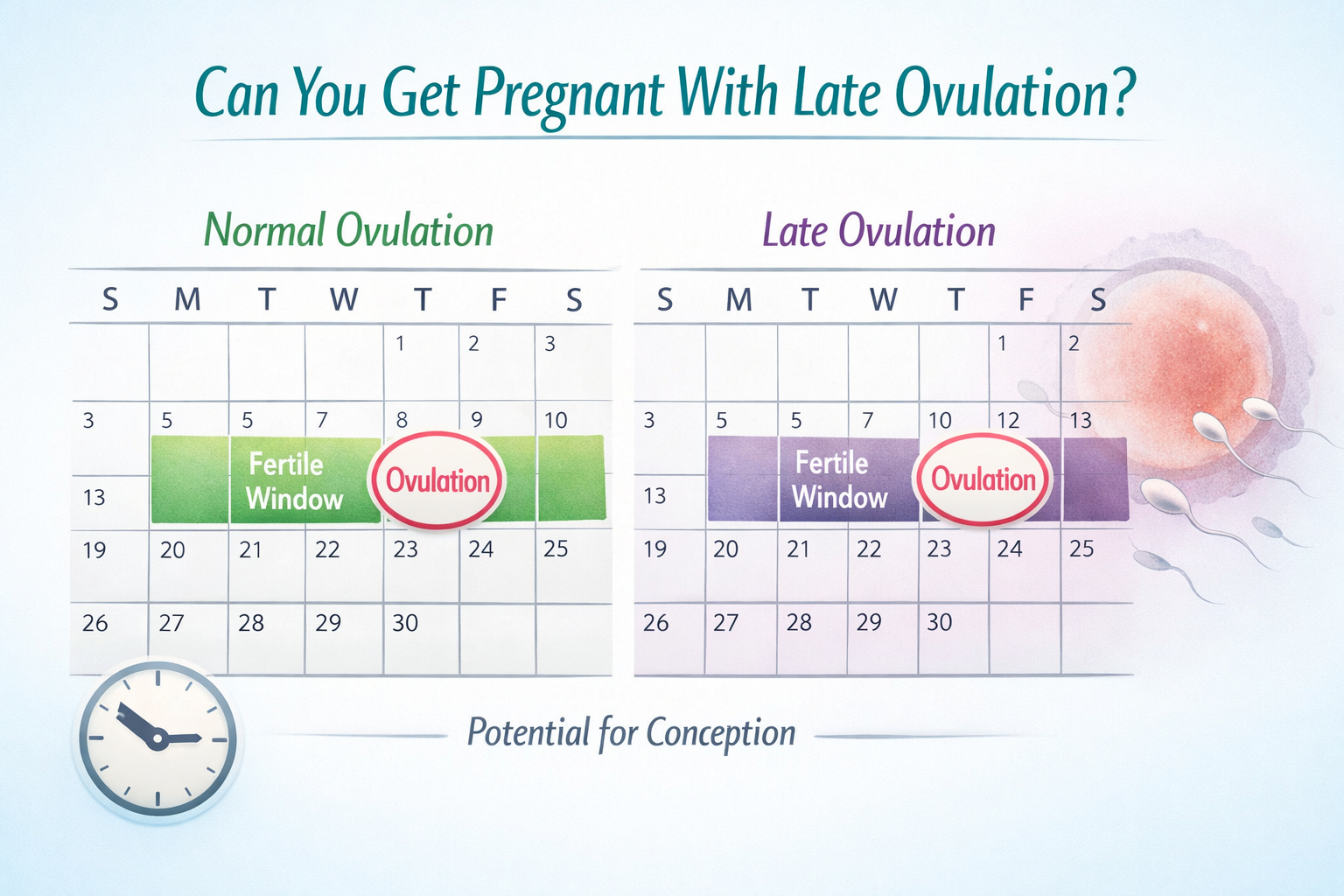
Yes, you can absolutely get pregnant with late ovulation because pregnancy depends on the successful release of a viable egg and its fertilization by sperm within your fertile window. This fertile window is typically 5-6 days long, encompassing the 5 days leading up to ovulation and the day of ovulation itself, regardless of when it occurs in your cycle. While a "typical" cycle might see ovulation around day 14, a later ovulation simply means this fertile window also shifts later.
To maximize your chances of getting pregnant with late ovulation, it's essential to understand that:
- Sperm survival: Sperm can live inside the female reproductive tract for up to 5 days. This means intercourse leading up to ovulation is critical.
- Egg viability: An egg is only viable for 12-24 hours after it's released.
- Shifting schedule: If you ovulate on day 20 instead of day 14, your fertile window will be around days 15-20. You can use an Ovulation Calculator to help pinpoint this window more accurately.
Consider the example of Sarah, who tracked her cycles and found she consistently ovulated on day 21. By having intercourse every 1-2 days from cycle day 16 onward, she successfully conceived, demonstrating that late ovulation does not inherently prevent pregnancy, but rather alters the timing of the fertile window.
What Causes Late Ovulation and How Does It Affect Fertility?
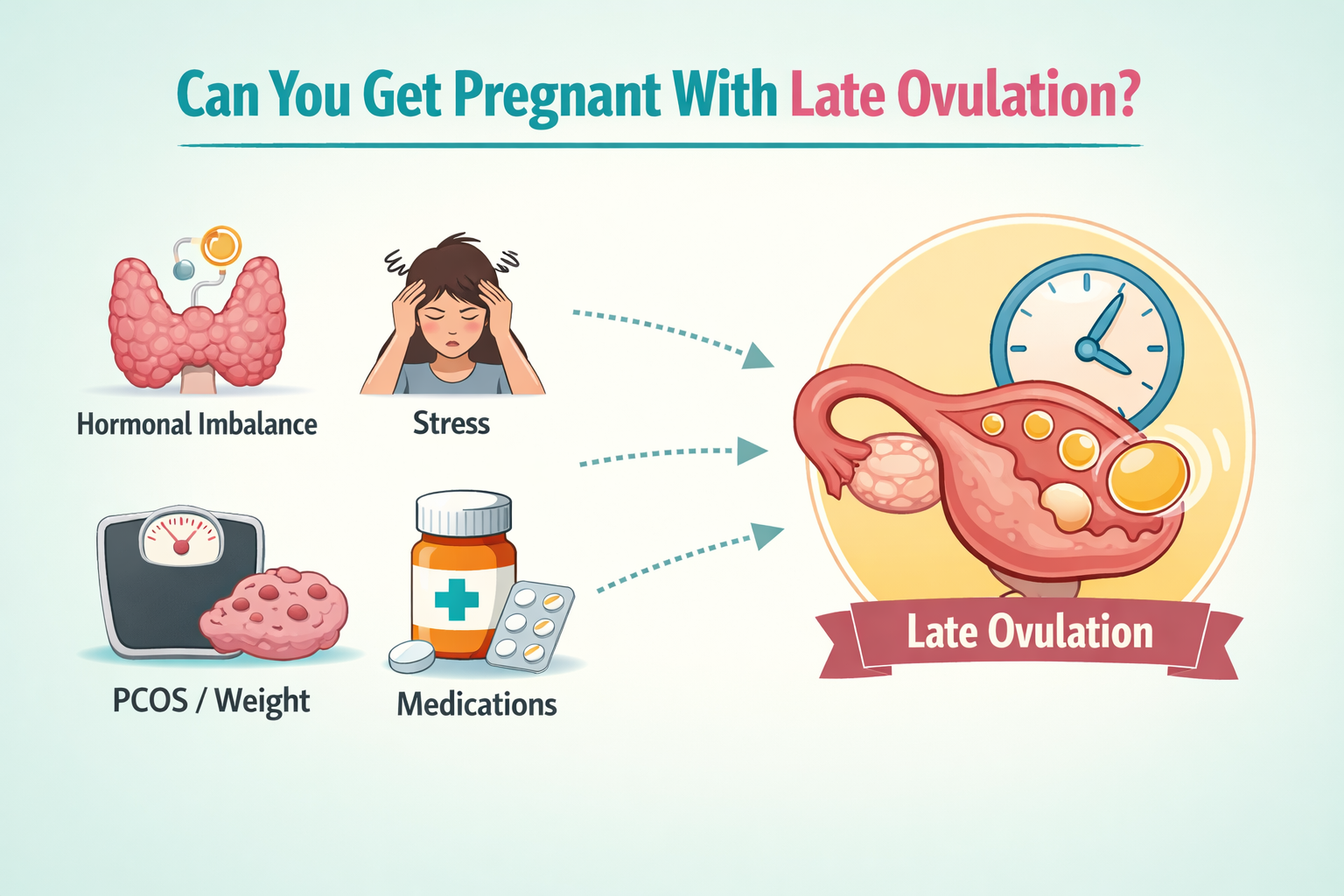
Late ovulation, generally considered ovulation occurring after cycle day 21, is often caused by hormonal imbalances or external factors that disrupt the complex interplay of hormones regulating the menstrual cycle. While it's common and doesn't always prevent pregnancy, understanding its causes can help you manage your fertility journey.
Common causes of late ovulation include:
- Polycystic Ovary Syndrome (PCOS): This is one of the most frequent causes, characterized by hormonal imbalances that can lead to irregular or absent ovulation (anovulation).
- Stress: High levels of physical or emotional stress can interfere with the hypothalamus, the part of the brain that regulates ovulation, pushing it back.
- Thyroid disorders: Both an overactive (hyperthyroidism) and underactive (hypothyroidism) thyroid can disrupt hormonal balance and affect ovulation timing.
- Weight fluctuations: Being significantly underweight or overweight can impact hormone production and disrupt the menstrual cycle.
- Perimenopause: As women approach menopause, hormonal shifts can lead to irregular cycles and later ovulation.
- Intense exercise: Extreme physical activity can sometimes suppress ovulation, particularly in athletes.
- Medications: Certain drugs, like some antidepressants or steroids, can interfere with ovulation.
The primary way late ovulation affects fertility is by making the fertile window less predictable. If you don't know when you're ovulating, it becomes much harder to time intercourse effectively. Additionally, some underlying causes of late ovulation, such as severe PCOS, might also be associated with lower egg quality or other factors that can impact conception. For women experiencing very irregular cycles or persistent late ovulation, consulting a healthcare provider can help identify the root cause and explore potential treatments.
Tracking Ovulation: The Key to Conceiving with a Longer Cycle
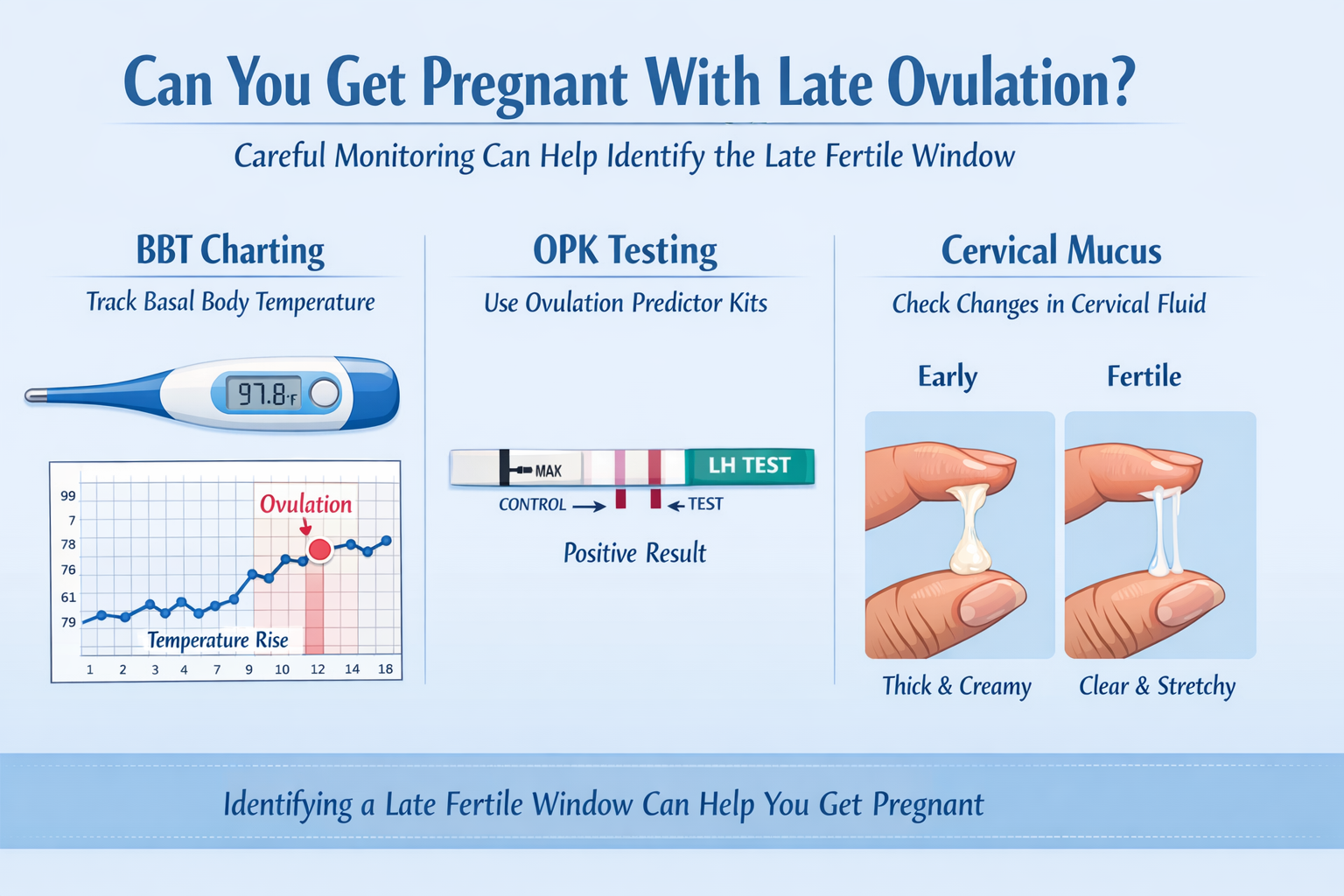
Accurately tracking your ovulation is paramount when dealing with late or irregular cycles, as it allows you to identify your unique fertile window and time intercourse effectively. Relying on a standard day 14 estimate will likely lead to missed opportunities for conception.
Effective methods for tracking ovulation include:
- Basal Body Temperature (BBT) Charting: Your BBT is your resting body temperature. After ovulation, there's a sustained slight increase (0.5-1.0°F) due to the rise in progesterone. By tracking your temperature every morning before getting out of bed, you can identify this post-ovulatory shift. This method confirms ovulation after it has happened, helping you predict future cycles. You can use a BBT Chart Tool for convenience.
- Ovulation Predictor Kits (OPKs): These kits detect the surge in Luteinizing Hormone (LH) that occurs 24-36 hours before ovulation. OPKs can be particularly helpful for those with late ovulation because they indicate when ovulation is approaching, allowing for proactive timing of intercourse. Using an Ovulation Symptoms Checker can complement OPK use.
- Cervical Mucus Monitoring: As ovulation approaches, your cervical mucus often becomes clear, stretchy, and resembles raw egg whites (fertile cervical mucus). This type of mucus helps sperm travel to the egg and can be observed visually. This sign typically appears several days before ovulation.
- Cervical Position Changes: The cervix may become higher, softer, and more open around ovulation. While less precise than other methods, it can be a supportive indicator.
- AI Ovulation Predictors: Advanced tools like an AI Ovulation Predictor use machine learning to analyze multiple data points (BBT, OPK results, cycle history) to predict your fertile window with greater accuracy, especially for irregular cycles.
For someone with late ovulation, combining methods often yields the best results. For example, using OPKs to detect the LH surge and confirming ovulation with a BBT shift provides a comprehensive picture. If you're consistently getting positive OPKs much later in your cycle (e.g., day 20 or beyond), then your fertile window will be accordingly late.
When to Seek Professional Guidance: If you're consistently tracking your cycle for several months and still find it difficult to pinpoint ovulation or if you have very long cycles (over 35 days) or no ovulation, it's wise to consult a doctor or fertility specialist.
Optimizing Your Chances: Tips for Conception with Late Ovulation

Even with late ovulation, you can significantly increase your chances of conception by focusing on consistent tracking, timing intercourse strategically, and adopting supportive lifestyle practices. The goal remains the same: ensure viable sperm are present when the egg is released.
Here are practical tips for optimizing your chances:
- Consistent Ovulation Tracking: As highlighted, this is non-negotiable. Use BBT charting, OPKs, and cervical mucus monitoring diligently. An Implantation Calculator can help you estimate implantation dates once you've confirmed ovulation.
- Time Intercourse Strategically:
- Start early: Begin having intercourse every 1-2 days once you observe fertile cervical mucus or get a positive OPK.
- Continue through ovulation: Don't stop too soon. Keep having intercourse until you've confirmed ovulation through a sustained BBT rise or by consistently getting negative OPKs after a positive.
- Focus on the fertile window: Remember the egg is viable for a short time, but sperm can last for days. Having sperm "waiting" for the egg is ideal. Our Fertile Window Calculator can help visualize this.
- Maintain a Healthy Lifestyle:
- Balanced Diet: Focus on whole foods, lean proteins, fruits, vegetables, and healthy fats. Some research suggests a "fertility diet" can positively impact ovulation regularity.
- Moderate Exercise: Regular, moderate physical activity can help regulate hormones. Avoid excessive, strenuous exercise, which can sometimes hinder ovulation.
- Stress Management: High stress levels can delay ovulation. Incorporate stress-reducing activities like yoga, meditation, deep breathing, or spending time in nature.
- Adequate Sleep: Aim for 7-9 hours of quality sleep per night, as sleep deprivation can affect hormonal balance.
- Avoid Smoking and Excessive Alcohol: These can negatively impact fertility in both partners.
- Consider the Luteal Phase: After ovulation, the luteal phase (the time from ovulation to your next period) should ideally be 10-16 days long to allow enough time for a fertilized egg to implant and for the pregnancy to establish. If your luteal phase is consistently shorter than 10 days, this is known as a luteal phase defect and might require medical intervention, as it can make it difficult for a pregnancy to sustain even if you do ovulate. You can assess this using a Late Ovulation Calculator to see your adjusted fertile window and potential implantation dates.
- When to Consult a Doctor: If you've been trying to conceive for 6-12 months with late ovulation and haven't had success, or if your cycles are consistently longer than 35 days or highly irregular, it's a good time to speak with a healthcare provider. They can investigate underlying causes, offer treatments, or refer you to a fertility specialist.
Conclusion
The answer to "Can you get pregnant with late ovulation?" is a resounding yes, making it clear that a standard 28-day cycle with day 14 ovulation is more of an average than a strict rule. What truly matters for conception is the release of a healthy egg and the timely presence of viable sperm during your unique fertile window, whenever that may occur.
Understanding your body's specific cycle, even if it's longer or less predictable, is your most powerful tool. By diligently tracking ovulation through methods like BBT charting, OPKs, and cervical mucus monitoring, you can pinpoint your fertile window and time intercourse effectively. Lifestyle adjustments, including stress management, a balanced diet, and moderate exercise, can also play a crucial role in promoting more regular ovulation and overall reproductive health.
If you consistently experience very late or absent ovulation, or if you've been trying to conceive for several months without success, don't hesitate to seek professional medical advice. A healthcare provider can help identify any underlying issues and guide you toward the most appropriate solutions, empowering you on your journey to pregnancy in 2026.