The journey to understanding one's own fertility can often feel like navigating a complex map, especially when your body doesn't follow the "typical" cycle patterns. Many individuals wonder, "Is late ovulation normal?" The straightforward answer is that while a standard cycle typically sees ovulation around day 14, variations are common and often normal. However, consistently late ovulation can sometimes indicate underlying factors worth investigating, especially if you are trying to conceive. This comprehensive guide will explore what defines late ovulation, its common causes, and when it might be time to consult a healthcare professional.
Key Takeaways
- Late ovulation is common: It means ovulating on or after day 21 of your menstrual cycle.
- Normal for some: Occasional late ovulation can be a normal variation in an otherwise healthy cycle.
- Impact on conception: Late ovulation shortens the luteal phase, which can make conception more challenging if it's too short.
- Common causes: Stress, PCOS, thyroid disorders, and lifestyle factors frequently contribute to delayed ovulation.
- Tracking is key: Monitoring ovulation with OPKs, BBT, or fertility apps helps identify patterns.
- When to seek help: Consult a doctor if late ovulation is persistent, cycles are irregular, or if you've been trying to conceive unsuccessfully.
- Lifestyle changes can help: Diet, exercise, and stress management may improve ovulation regularity.
- Medical interventions: Treatments exist for underlying conditions causing late ovulation.
Quick Answer
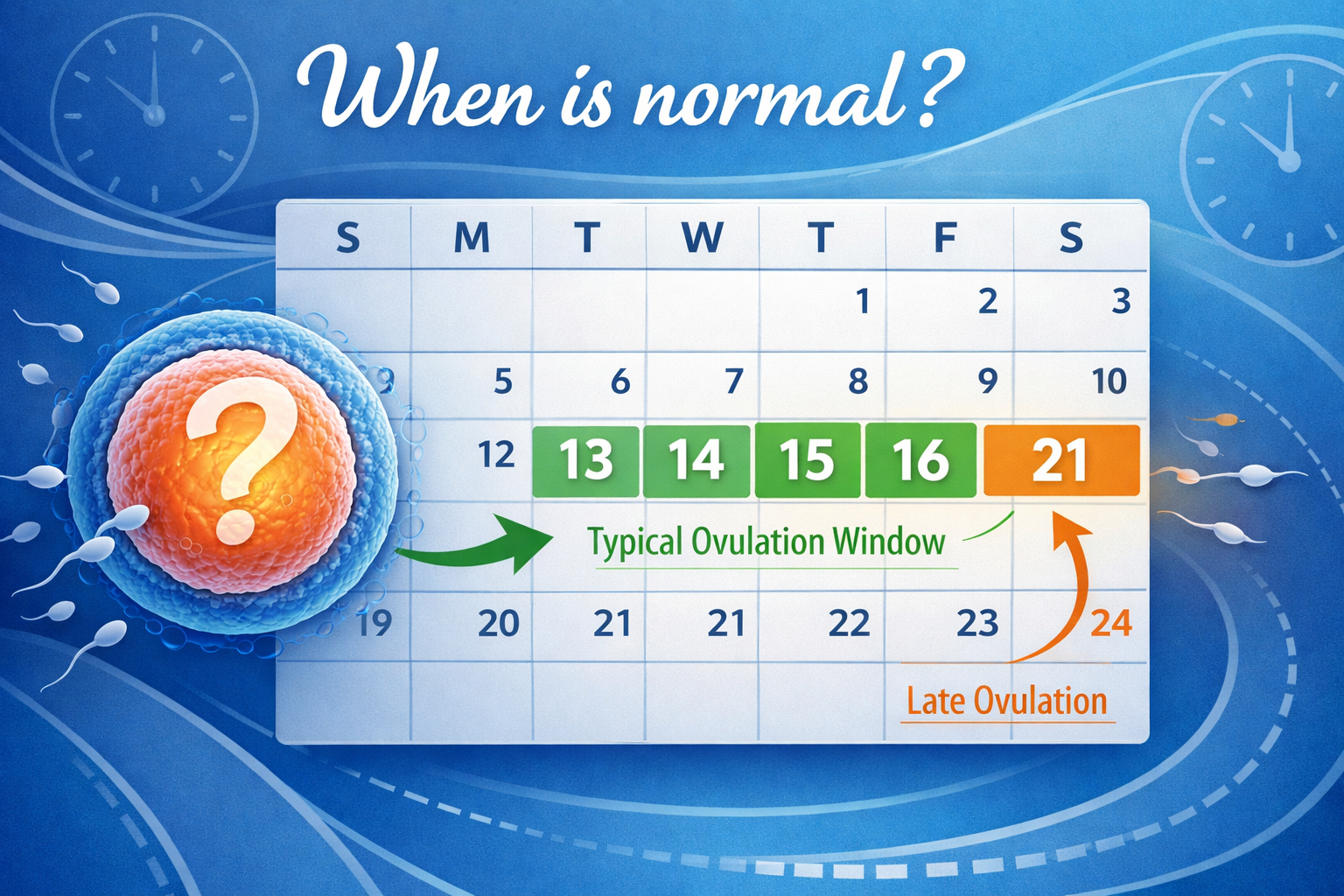
Late ovulation, generally defined as ovulation occurring on or after day 21 of a menstrual cycle, can be normal for many individuals, especially if it happens occasionally. However, if late ovulation is a consistent pattern or results in a luteal phase shorter than 10 days, it can impact fertility and may signal an underlying health condition requiring medical attention. Understanding your personal cycle patterns is crucial.
What Constitutes Late Ovulation and Is It Normal?
Late ovulation occurs when an egg is released from the ovary much later than the typical mid-cycle timeframe, often on or after day 21 of your menstrual cycle. While the "average" menstrual cycle is 28 days with ovulation around day 14, it's important to remember that averages don't apply to everyone, and cycles vary widely among individuals. So, is late ovulation normal? Yes, it can be, especially if it's an isolated occurrence or part of a naturally longer cycle that still results in a healthy luteal phase. However, persistently late ovulation can pose challenges when trying to conceive because it can lead to a shorter luteal phase (the time between ovulation and your next period), which is critical for successful embryo implantation. For precise timing, you can use a Late Ovulation Calculator – Adjusted Fertile Window & Implantation Dates to adjust your fertile window.
- Normal Cycle vs. Late Ovulation: In a typical 28-day cycle, ovulation happens around day 14. If ovulation occurs on day 21, for example, your cycle would likely be around 35 days long (21 days to ovulate + a 14-day luteal phase). This is still considered within a normal range for overall cycle length (21-35 days), but the ovulation timing is "late."
- Impact on Fertility: If ovulation consistently occurs late and is followed by a luteal phase shorter than 10 days, it may not allow enough time for a fertilized egg to implant in the uterine lining. This condition is sometimes referred to as a luteal phase defect. For those trying to conceive, understanding the exact timing of ovulation is paramount, and tools like an AI Ovulation Predictor can offer advanced insights.
- When to Consider it Abnormal: Late ovulation becomes a concern if it's recurrent, leads to very long and unpredictable cycles, or is associated with other symptoms like heavy bleeding, severe cramps, or difficulty conceiving.
What Are the Common Causes of Late Ovulation?
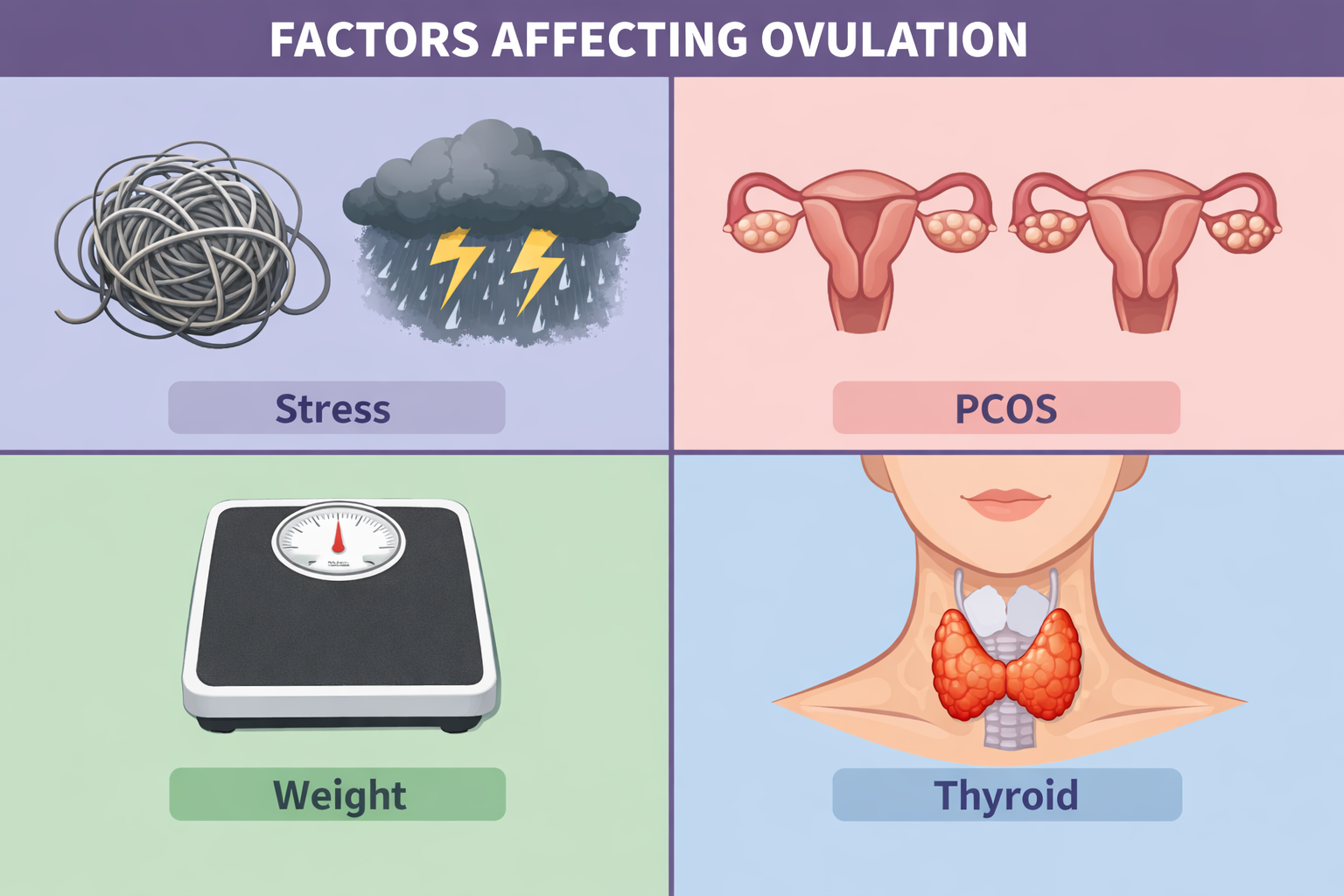
Several factors can cause ovulation to be delayed, ranging from lifestyle influences to underlying medical conditions. Understanding these causes is the first step toward addressing potential issues and can help answer the question, "Is late ovulation normal?" or indicate when it's a symptom of something more significant.
- Polycystic Ovary Syndrome (PCOS): PCOS is one of the most common causes of irregular and late ovulation. It's a hormonal disorder characterized by an imbalance of reproductive hormones, often leading to infrequent or prolonged menstrual periods, excess androgen levels, and sometimes small cysts on the ovaries. Women with PCOS often experience anovulation (no ovulation) or oligo-ovulation (infrequent ovulation).
- Stress: High levels of physical or emotional stress can significantly impact the hypothalamic-pituitary-ovarian (HPO) axis, the system responsible for regulating ovulation. Stress hormones can disrupt the release of GnRH (gonadotropin-releasing hormone), which in turn affects FSH (follicle-stimulating hormone) and LH (luteinizing hormone) production, delaying or preventing ovulation.
- Thyroid Disorders: Both an overactive thyroid (hyperthyroidism) and an underactive thyroid (hypothyroidism) can interfere with the balance of reproductive hormones, leading to irregular menstrual cycles and delayed ovulation. The thyroid gland plays a crucial role in metabolism and hormone regulation, impacting almost every system in the body, including the reproductive system.
- Weight Fluctuations: Being significantly underweight or overweight can disrupt hormone balance. Excessive body fat can lead to higher estrogen levels, which can inhibit ovulation, while very low body fat can cause the body to conserve energy, halting reproductive functions. Maintaining a healthy weight is often beneficial for regular ovulation.
- Excessive Exercise: While regular exercise is healthy, extremely strenuous or prolonged physical activity can sometimes lead to hormonal imbalances, particularly if accompanied by insufficient caloric intake. This can suppress the HPO axis and delay ovulation.
- Perimenopause: As women approach menopause, their ovarian reserve declines, and hormonal fluctuations become more common. This can lead to irregular cycles, including late ovulation, as the body transitions.
- Medications: Certain medications, such as some antidepressants, antipsychotics, and corticosteroids, can impact hormonal balance and delay ovulation as a side effect. It's important to discuss any medications you are taking with your doctor if you are experiencing irregular cycles.
How Can I Track and Confirm Late Ovulation?
Tracking your cycle is essential for understanding your body's patterns and determining if late ovulation is normal for you, or if it's a consistent occurrence that might warrant further investigation. There are several effective methods for monitoring ovulation, and combining them often provides the most accurate picture.
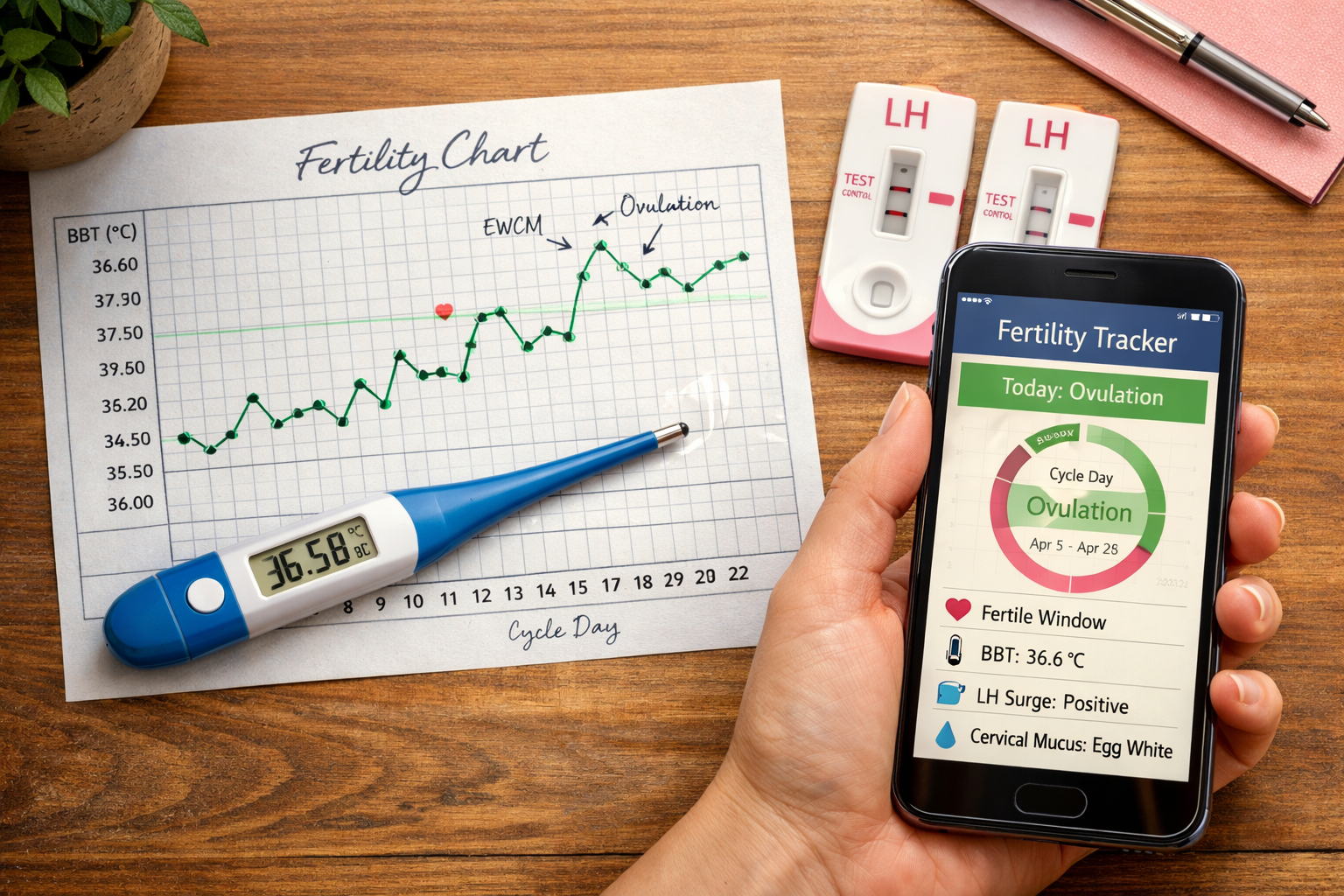
- Ovulation Predictor Kits (OPKs): OPKs detect the surge in Luteinizing Hormone (LH) that precedes ovulation by 24-48 hours. If you're ovulating late, you'll simply get a positive OPK later in your cycle than someone with a typical 28-day cycle. Starting to test later in your cycle can save you money on sticks.
- Pro Tip: If you have irregular cycles, consider testing with OPKs daily starting around day 10-12 and continue until you get a positive result.
- Basal Body Temperature (BBT) Charting: BBT charting involves taking your temperature every morning before getting out of bed. After ovulation, there's a sustained slight rise in BBT (typically 0.4-1.0°F or 0.2-0.6°C) due to the increase in progesterone. This rise confirms that ovulation has occurred. By charting your BBT, you can pinpoint the approximate day of ovulation, regardless of how late it occurs in your cycle. You can utilize a BBT Chart Tool for easy tracking.
- Cervical Mucus Monitoring: As ovulation approaches, your cervical mucus often becomes clear, stretchy, and resembles raw egg whites – known as "fertile quality" mucus. This type of mucus helps sperm travel to the egg. After ovulation, it typically becomes sticky, cloudy, or disappears. Observing these changes can help you identify your fertile window and when ovulation might be occurring, even if it's late.
- Fertility Tracking Apps: Many smartphone applications allow you to log your period dates, OPK results, BBT readings, and cervical mucus observations. These apps can then predict ovulation based on your inputted data and highlight your fertile window, even if your cycles are longer or ovulation is delayed.
- Hormone Testing (Medical): For a definitive diagnosis of late or absent ovulation, a doctor may order blood tests to measure hormone levels, such as progesterone (to confirm ovulation), FSH, LH, estrogen, and thyroid hormones. This is typically recommended if home tracking methods consistently show no ovulation or if conception has been difficult.
| Tracking Method | What It Detects/Measures | Best For | Pros | Cons |
|---|---|---|---|---|
| Ovulation Predictor Kit (OPK) | LH surge (precedes ovulation by 24-48 hrs) | Predicting the fertile window before ovulation | Easy to use, direct indicator of impending ovulation | Can be expensive, only predicts, doesn't confirm |
| Basal Body Temperature (BBT) | Sustained temperature rise (confirms ovulation after) | Confirming ovulation and identifying luteal phase length | Inexpensive, confirms ovulation, helps identify patterns | Requires consistency, only confirms retrospectively |
| Cervical Mucus (CM) | Changes in mucus consistency/texture | Identifying fertile window and potential ovulation based on body signals | Free, provides daily insight into fertility | Subjective, can be influenced by other factors |
| Fertility Apps | Aggregates data from other methods, predicts/tracks | Organizing data, identifying patterns, predicting future cycles | Convenient, can integrate multiple data points | Relies on user input, predictions may not always be accurate |
When Should You Consult a Doctor About Late Ovulation?
While occasional late ovulation can be normal, there are specific situations where seeking professional medical advice is highly recommended. It's essential to consult a healthcare provider, such as an OB/GYN or a fertility specialist, if you have concerns about your menstrual cycle or fertility.
- Persistent Irregular Cycles: If your cycles are consistently longer than 35 days, vary significantly in length from month to month, or if you frequently skip periods (oligomenorrhea or amenorrhea), it's advisable to see a doctor. These patterns could indicate an underlying hormonal imbalance or condition affecting ovulation.
- Difficulty Conceiving: If you are actively trying to conceive and have been unsuccessful after 12 months (for those under 35) or 6 months (for those 35 or older), especially with confirmed late or absent ovulation, a medical evaluation is warranted. Late ovulation can shorten the luteal phase, making it harder for a fertilized egg to implant. For more information on your chances, consider reading about Late Ovulation: Chances, Timing, & Implantation Success.
- Symptoms of Hormonal Imbalance: If late ovulation is accompanied by other symptoms that suggest a hormonal issue, such as:
- Excessive hair growth (hirsutism)
- Acne
- Significant weight gain or loss
- Hair thinning
- Unexplained fatigue
- Changes in breast milk production (galactorrhea) These symptoms, particularly when combined with irregular periods, could point to conditions like PCOS, thyroid disorders, or hyperprolactinemia.
- Known Underlying Medical Conditions: If you have a diagnosed condition known to affect ovulation (e.g., PCOS, thyroid disease, hypothalamic amenorrhea), and your ovulation remains irregular despite previous treatment, further consultation is appropriate.
- Short Luteal Phase: If your tracking methods consistently indicate a luteal phase shorter than 10 days, this could impede pregnancy and merits a discussion with your doctor. A short luteal phase means there isn't enough time for the uterine lining to adequately prepare for implantation after ovulation.
- Absence of Ovulation: If your tracking methods (OPKs, BBT) consistently show no signs of ovulation over several cycles, this is a clear reason to seek medical advice. Anovulation means no egg is being released, preventing pregnancy.
During your consultation, your doctor may perform a physical exam, review your medical history, and order various tests including blood tests (to check hormone levels like FSH, LH, estrogen, progesterone, thyroid hormones, and prolactin) and potentially a pelvic ultrasound to examine your ovaries and uterus. Based on the findings, they can provide a diagnosis and recommend appropriate treatments or fertility interventions.
Conclusion
The question "Is late ovulation normal?" doesn't have a simple yes or no answer. While occasional late ovulation can be a normal variation within a healthy reproductive cycle, especially if your overall cycle length falls within the 21-35 day range, consistent late ovulation, particularly when accompanied by a short luteal phase or other concerning symptoms, warrants attention. Factors ranging from stress and lifestyle choices to underlying medical conditions like PCOS or thyroid disorders can contribute to delayed ovulation.
Empowering yourself with knowledge and diligent tracking through methods like OPKs, BBT charting, and cervical mucus observation is your first step. These tools provide invaluable insights into your unique cycle patterns and help you identify if late ovulation is a recurring issue. If you are consistently experiencing late ovulation, struggling to conceive, have very irregular cycles, or notice other symptoms of hormonal imbalance, consulting a healthcare professional is crucial. They can help diagnose any underlying causes and discuss appropriate management or treatment options, guiding you toward achieving your fertility goals in 2026.
FAQ
Q1: What is considered "late" for ovulation?
A1: Ovulation is generally considered late if it occurs on or after day 21 of your menstrual cycle, though this can still be normal for individuals with longer overall cycle lengths.
Q2: Can you still get pregnant with late ovulation?
A2: Yes, you can still get pregnant with late ovulation, but it can sometimes be more challenging, especially if the luteal phase (time after ovulation) is consistently shorter than 10 days, as this may not allow enough time for embryo implantation.
Q3: How does late ovulation affect my fertile window?
A3: Late ovulation shifts your entire fertile window later in your cycle. The most fertile days (the 5 days leading up to and including ovulation) will occur later than in a typical 28-day cycle.
Q4: Is late ovulation a sign of infertility?
A4: Not necessarily. Occasional late ovulation can be normal. However, if late ovulation is consistent, irregular, or results from conditions like PCOS, it can indicate a challenge to fertility.
Q5: What is the ideal length of the luteal phase for pregnancy?
A5: An ideal luteal phase length for pregnancy is typically 10 to 16 days. A luteal phase shorter than 10 days may indicate a luteal phase defect, which can hinder embryo implantation.
Q6: Can stress cause late ovulation?
A6: Yes, significant physical or emotional stress can disrupt the hormonal signals from the brain to the ovaries, leading to delayed or even absent ovulation.
Q7: What are common symptoms of late ovulation?
A7: The primary "symptom" is simply a positive ovulation test or BBT shift occurring later in your cycle than average. Other associated symptoms might include longer overall cycles or difficulty pinpointing your fertile window.
Q8: Can lifestyle changes help regulate late ovulation?
A8: Yes, adopting a healthy lifestyle, including managing stress, maintaining a balanced diet, achieving a healthy weight, and moderate exercise, can often help regulate menstrual cycles and improve ovulation timing.
Q9: Should I use an ovulation calculator if I have late ovulation?
A9: Yes, an ovulation calculator can still be helpful, but you may need to adjust inputs based on your actual cycle length and ovulation patterns. Some calculators, like a Late Ovulation Calculator, are specifically designed to account for longer cycles.
Q10: What hormone is responsible for triggering ovulation?
A10: The luteinizing hormone (LH) surge is responsible for triggering the final maturation and release of the egg from the follicle, which is what ovulation predictor kits detect.
Sources
- Practice Committee of the American Society for Reproductive Medicine. (2021). Diagnostic evaluation of the infertile female: a committee opinion. Fertility and Sterility, 116(5), 1255-1265.
- Goodman, N. F., et al. (2015). American Association of Clinical Endocrinologists Medical Guidelines for Clinical Practice for the Diagnosis and Treatment of Polycystic Ovary Syndrome (PCOS). Endocrine Practice, 21(11), 1218-1234.
- Reed, B. G., & Carr, B. R. (2015). The Normal Menstrual Cycle and the Control of Ovulation. In K. L. Feingold (Eds.), Endotext. MDText.com, Inc.