Quick Answer: A pregnancy chance calculator by age estimates your likelihood of conceiving based primarily on chronological age, as female fertility naturally declines significantly after the early 30s. These calculators typically use statistical data to provide a general probability per menstrual cycle, helping individuals understand their fertility timeline and make informed family planning decisions.
Key Takeaways
- Age is the single most significant factor influencing female fertility, with chances decreasing after 30 and more sharply after 35.
- A pregnancy chance calculator by age provides an estimated probability of conception per cycle based on demographic data.
- These calculators are helpful tools for general awareness but do not account for individual health factors or male fertility.
- Peak fertility for women is typically in their early to mid-20s.
- Understanding your age-related fertility can inform family planning decisions, including when to seek medical advice.
- Lifestyle, medical conditions, and male partner's fertility also play crucial roles beyond chronological age.
- While useful, a calculator should complement, not replace, discussions with fertility specialists.
- For accurate, personalized assessments, consulting a healthcare provider is essential, especially after prolonged unsuccessful attempts to conceive.
How Does Age Impact Your Chance of Pregnancy?
Your age significantly impacts your ability to conceive because the quantity and quality of a woman's eggs naturally decline over time. While individual variations exist, female fertility typically peaks in the early to mid-20s, remains relatively high until around age 30, and then begins a gradual decline that accelerates after 35. This decline is due to a natural reduction in the ovarian reserve (the number of eggs) and an increase in the proportion of eggs with chromosomal abnormalities.
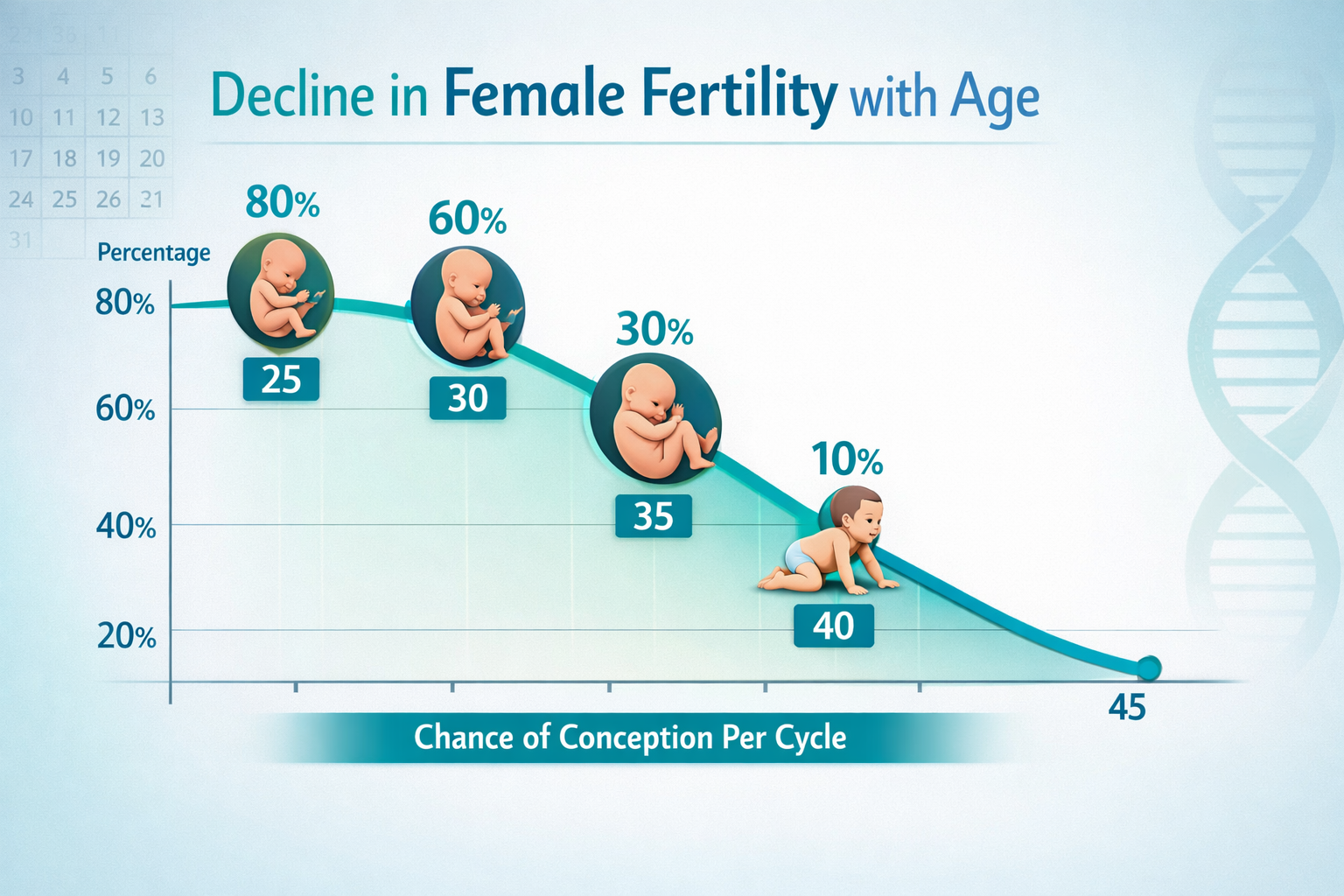
For many individuals and couples, understanding the role of age in fertility is a fundamental step in family planning. Data consistently show that the monthly probability of pregnancy decreases as a woman gets older. For example, a healthy 30-year-old woman has about a 20% chance of getting pregnant in any given cycle, while a healthy 40-year-old woman has closer to a 5% chance per cycle (American College of Obstetricians and Gynecologists, 2014). This doesn't mean conception is impossible at older ages, but it often takes longer and may involve a higher risk of complications.
Age-Related Fertility Milestones:
- Early 20s (20-24): Peak fertility. Monthly chance of conception is around 20-25%.
- Late 20s (25-29): Fertility remains high, with a slight, gradual decline.
- Early 30s (30-34): Decline becomes more noticeable, with monthly chances around 15-20%. Many women still conceive naturally within a reasonable timeframe.
- Mid-30s (35-39): Fertility decline accelerates significantly. Monthly chances can drop to 8-10% at 35 and further to 4-5% by 39. This is often the age when fertility concerns prompt individuals to seek medical advice if they haven't conceived after six months.
- 40s and Beyond (40+): Natural conception becomes increasingly challenging. Monthly chances are typically 1-5%. The risks of miscarriage and chromosomal abnormalities also rise.
When considering your personal fertility journey, it's crucial to acknowledge these general trends. If you're over 35 and have been trying to conceive for six months without success, or over 40 and trying for three months, it's generally recommended to consult a fertility specialist for a more personalized assessment and potential interventions. For more insights on specific age groups, you can explore resources like What Are My Chances of Getting Pregnant at 30?, What Are My Chances of Getting Pregnant at 35?, and What Are My Chances of Getting Pregnant at 40?.
What is a Pregnancy Chance Calculator by Age?
A pregnancy chance calculator by age is an online tool that provides an estimated probability of conception for a woman based primarily on her age. These calculators utilize statistical data gathered from fertility studies and population averages to give users a general idea of their monthly or annual chances of getting pregnant. They are designed to offer a quick, accessible overview of age-related fertility trends.
These tools typically ask for the woman's age and sometimes other basic information like cycle regularity. Based on these inputs, the calculator references broad statistical averages to generate a percentage chance. It's important to understand that while these calculators are helpful for providing a context for age and fertility, they offer a generalized estimate and cannot predict an individual's specific outcome.
How Pregnancy Chance Calculators Work:
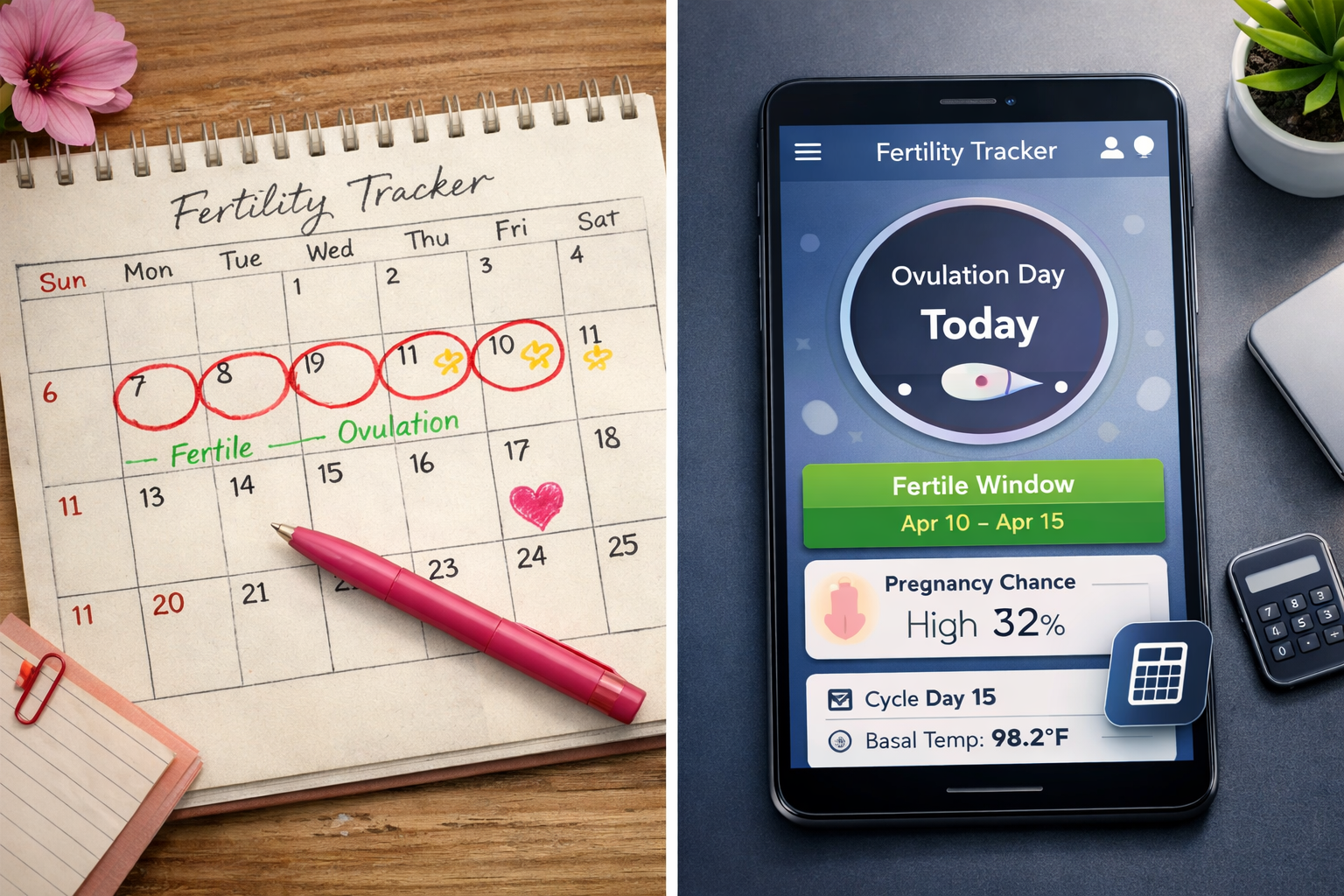
- Input Age: The primary input is the woman's current age.
- Statistical Database: The calculator accesses a database of fertility statistics that correlate age with the average monthly or annual probability of conception. These statistics often come from large-scale studies on natural fertility rates.
- Output Probability: It then presents a percentage—for example, "At age 32, your monthly chance of getting pregnant is approximately 18%."
Key Considerations When Using a Pregnancy Chance Calculator by Age:
- Population Averages: The results reflect general population averages, not your unique circumstances.
- Individual Variability: Factors like genetics, overall health, lifestyle choices, and the fertility of a male partner are not typically factored into a simple age-based calculator.
- Underlying Health Conditions: Conditions such as PCOS, endometriosis, or thyroid disorders can significantly affect fertility regardless of age but are not considered by these calculators.
- Male Fertility: Approximately 40-50% of infertility cases involve male factors (ASRM, 2013), which are entirely absent from a female age-based calculator.
- Accuracy: While useful for awareness, these calculators are not diagnostic tools. For a deeper dive into accuracy, consider reading How Accurate Are Pregnancy Calculators? Your 2026 Guide.
A pregnancy chance calculator by age serves as an educational starting point. It can empower individuals to understand the biological timelines associated with fertility and prompt further exploration or consultation if their age-related chances seem concerning for their family planning goals. For a more comprehensive tool, you can also explore a general Pregnancy Chance Calculator which may include more variables.
When Should You Use a Pregnancy Chance Calculator by Age?
You should use a pregnancy chance calculator by age when you are beginning to think about family planning, are curious about how your age might affect your fertility, or are considering when to start trying to conceive. This tool can provide a general understanding of the statistical likelihood of pregnancy at different ages, helping to inform personal decisions and discussions with healthcare providers. It is particularly useful for those who want a quick, accessible overview of fertility trends without needing a medical consultation.
Using this type of calculator can be a valuable first step in understanding the broader context of fertility and age. It can help set realistic expectations or highlight the importance of planning or seeking earlier intervention if age is becoming a significant factor.

Practical Scenarios for Using the Calculator:
- Pre-Conception Planning: If you're not yet trying to conceive but want to understand how your current age or future age might impact your chances, the calculator offers a statistical overview.
- Early Stages of Trying to Conceive: For those just beginning their journey, it can provide context. If results show a lower probability due to age, it might encourage earlier consultation with a doctor if conception isn't quick.
- Considering Fertility Preservation: Understanding age-related decline can inform decisions about options like egg freezing, especially if you plan to delay childbearing.
- General Awareness: Simply being informed about fertility trends can be empowering, whether or not you are actively trying to conceive.
- Initiating Discussions with Healthcare Providers: The insights gained can serve as a talking point when consulting a doctor about fertility, prompting questions about individual assessments.
When Not to Rely Solely on the Calculator:
- After Unsuccessful Attempts: If you have been actively trying to conceive for a significant period (e.g., 1 year if under 35, 6 months if over 35), the calculator's general estimate is insufficient. At this point, a medical evaluation from a fertility specialist is crucial.
- If You Have Known Fertility Issues: If you or your partner have diagnosed medical conditions that affect fertility (e.g., endometriosis, PCOS, low sperm count), the calculator's general age-based statistics won't accurately reflect your specific situation.
- For Diagnostic Purposes: This tool is not a diagnostic instrument. It cannot tell you if you are fertile or infertile, only the statistical probability for someone of your age.
- Without Considering Male Fertility: The calculator focuses solely on the female's age. Remember that male fertility is equally important, and issues can arise regardless of the female partner's age.
Ultimately, a pregnancy chance calculator by age is best used as an educational resource to provide a broad understanding of fertility trends. For personalized advice, diagnosis, or treatment, always consult a qualified healthcare professional. You can also explore other tools like the Fertile Window Calculator to understand your optimal conception days.
FAQ
Q1: Is a pregnancy chance calculator by age accurate?
A1: A pregnancy chance calculator by age provides statistically derived estimates based on population data, making it generally accurate for understanding broad age-related fertility trends. However, it cannot predict an individual's specific chance of conception because it doesn't account for personal health, lifestyle, or male fertility factors.
Q2: What is the best age for a woman to get pregnant?
A2: Biologically, the best age for a woman to get pregnant is typically in her early to mid-20s, when fertility is at its peak and the risks of complications are lowest. However, "best" also includes personal and social factors.
Q3: Do pregnancy chances drop sharply after age 35?
A3: Yes, female fertility tends to decline more rapidly after age 35, with a noticeable decrease in the monthly probability of conception and an increased risk of miscarriage and chromosomal abnormalities compared to younger ages.
Q4: Does a pregnancy chance calculator consider male fertility?
A4: No, a standard pregnancy chance calculator by age focuses solely on the female's age and associated fertility statistics. It does not factor in the male partner's age or fertility status, which are critical components of overall conception chances.
Q5: Can lifestyle factors influence the results of a pregnancy chance calculator?
A5: A pregnancy chance calculator by age does not input lifestyle factors, but lifestyle choices (like diet, exercise, smoking, alcohol) significantly impact actual fertility. The calculator provides a baseline, which can be improved or worsened by individual habits.
Q6: How long should I try to conceive before seeking medical help based on my age?
A6: If you are under 35, it's generally recommended to seek medical help if you haven't conceived after 12 months of regular, unprotected intercourse. If you are 35 or older, this timeframe shortens to 6 months due to the accelerated decline in fertility with age.
Q7: Are there other calculators I should use in conjunction with an age-based one?
A7: Yes, combining an age-based calculator with tools like an Ovulation Calculator to track your fertile window can provide a more comprehensive picture of your monthly conception opportunities.
Q8: Does the calculator account for previous pregnancies?
A8: No, a basic pregnancy chance calculator by age typically does not account for previous pregnancies or reproductive history. It provides a statistical average for a given age, assuming no prior fertility issues.
Q9: Can I get pregnant naturally after 40?
A9: Yes, natural pregnancy after 40 is possible, but the chances are significantly lower (often 1-5% per cycle) compared to younger ages. The risks of complications like miscarriage and birth defects also increase.
Conclusion
Understanding your fertility timeline, particularly how it relates to age, is a crucial component of informed family planning in 2026. A pregnancy chance calculator by age serves as a valuable introductory tool, offering a general statistical overview of conception probabilities based on female chronological age. It highlights the undeniable biological reality that fertility peaks in the 20s and gradually declines, accelerating after age 35.
While these calculators provide helpful context and can prompt important discussions, it's vital to remember their limitations. They offer population averages and cannot account for the unique complexities of individual health, lifestyle, or the significant role of male fertility. For those actively trying to conceive, especially individuals over 35, these calculators should be a starting point, not a definitive answer.
Actionable Next Steps:
- Use the Calculator as a Guide: Utilize a pregnancy chance calculator by age to gain an initial understanding of fertility trends relevant to your age.
- Monitor Your Cycle: Complement this information by using an Ovulation Calculator – Free Fertility & Pregnancy Tools to identify your most fertile days.
- Assess Lifestyle Factors: Honestly evaluate how diet, exercise, stress, smoking, and alcohol might be impacting your fertility.
- Consult a Professional: If you are over 35 and have been trying to conceive for six months, or under 35 and have been trying for a year, seek personalized advice from a healthcare provider or fertility specialist. They can offer tailored assessments and guidance, addressing all factors beyond just age.
- Consider Male Fertility: Remember that male fertility is equally important. Ensure your partner also consults a doctor if conception difficulties arise.
By combining the general insights from a pregnancy chance calculator by age with personalized medical advice and a comprehensive understanding of your own body, you can make the most informed decisions on your path to parenthood.
References
- American College of Obstetricians and Gynecologists (ACOG). (2014). Female Age-Related Fertility Decline. Committee Opinion No. 581.
- American Society for Reproductive Medicine (ASRM). (2013). Infertility: An Overview. Patient Fact Sheet.