Are you experiencing a longer menstrual cycle than usual, or perhaps finding it challenging to pinpoint your fertile window? Understanding late ovulation symptoms explained is crucial for anyone trying to conceive or simply monitoring their reproductive health. Ovulation is the release of an egg from the ovary, a key event in the menstrual cycle. When this event occurs later than the typical mid-cycle timeframe, it's known as late ovulation, and its signs can sometimes be more subtle or confusing than those of a standard cycle.
Key Takeaways
- Late ovulation occurs after day 21 of a typical menstrual cycle, potentially extending the cycle length.
- Symptoms might be less pronounced or delayed compared to typical ovulation, making tracking essential.
- Common late ovulation symptoms include delayed or absent fertile cervical mucus, a later basal body temperature (BBT) shift, and a delayed positive ovulation predictor kit (OPK) result.
- Irregular cycles, stress, PCOS, and thyroid issues are common causes of late ovulation.
- Accurate tracking methods like BBT charting, OPKs, and cervical mucus monitoring are vital for identifying a delayed fertile window.
- Understanding these symptoms is crucial for timing intercourse for conception or managing cycle irregularities.
- Consulting a healthcare professional is recommended for persistent late ovulation or fertility concerns.
- Lifestyle adjustments and medical interventions can help regulate ovulation.
Quick Answer
Late ovulation refers to the release of an egg occurring after day 21 of a menstrual cycle, which is later than the average timeframe. The key symptoms often involve a delayed appearance of typical ovulation signs, such as fertile cervical mucus, a rise in basal body temperature (BBT), and a positive result on an ovulation predictor kit (OPK), leading to a prolonged follicular phase and an extended overall cycle length.
What Are Late Ovulation Symptoms Explained?
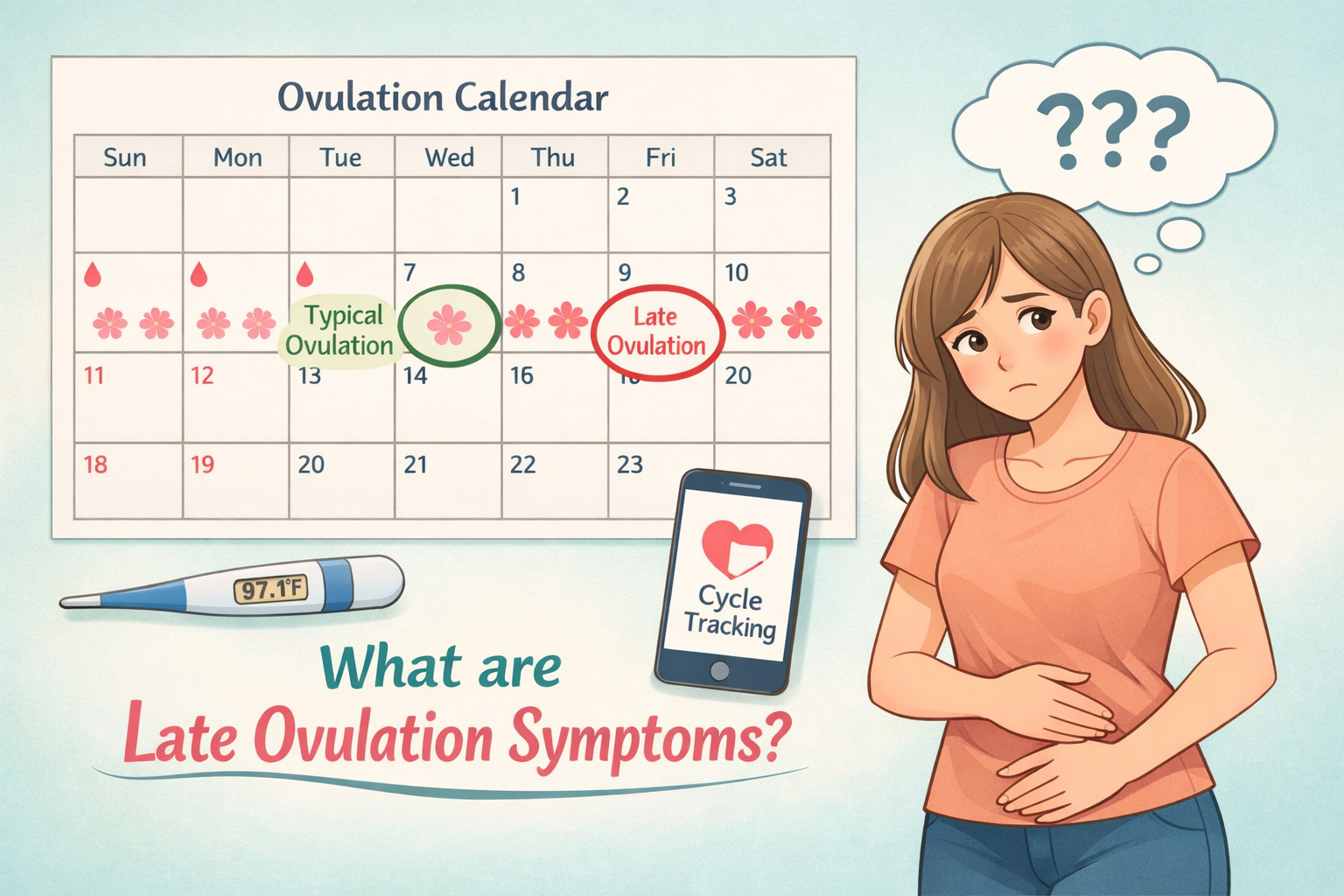
Late ovulation symptoms are the indicators that an egg release is happening much later in your menstrual cycle than the average 12-16 days before your next period. For most, a typical cycle length ranges from 21 to 35 days, with ovulation usually occurring around day 14. When ovulation happens after day 21, or significantly later than your typical mid-cycle, it is considered late, and the symptoms will manifest accordingly. These symptoms provide clues to your body's altered rhythm, signaling a delayed fertile window.
When ovulation is late, the body's natural signs may appear later or be less consistent. Here's a breakdown of the primary symptoms:
- Delayed Basal Body Temperature (BBT) Shift: Normally, BBT slightly dips just before ovulation and then rises by about 0.5 to 1.0 degrees Fahrenheit (0.2 to 0.5 degrees Celsius) after ovulation, remaining elevated until your period. With late ovulation, this temperature shift will simply occur later in your cycle. If you're consistently tracking your BBT, you'll notice the shift happening on a later calendar day than previous cycles.
- Delayed or Absent Fertile Cervical Mucus: One of the most reliable signs of approaching ovulation is the presence of "egg-white" cervical mucus (EWCM). This clear, stretchy discharge resembles raw egg whites and helps sperm travel. In cases of late ovulation, this fertile mucus may appear much later in your cycle, or sometimes it might be less abundant or completely absent, making it harder to detect the fertile window.
- Delayed Positive Ovulation Predictor Kit (OPK) Result: OPKs detect the luteinizing hormone (LH) surge, which typically occurs 24-36 hours before ovulation. If you're testing regularly and consistently getting negative results into the later part of your cycle (e.g., beyond day 18-20), and then finally get a positive result, this indicates a delayed LH surge and subsequent late ovulation. You can find out more about timing with a Late Ovulation Calculator to adjust your fertile window.
- Extended Cycle Length: The most noticeable outcome of late ovulation is a longer overall menstrual cycle. Since the luteal phase (the time between ovulation and your period) typically remains constant at 12-16 days, a delayed ovulation directly pushes back the start date of your next period, resulting in a cycle longer than 35 days.
What to Look For:
When evaluating your cycle for late ovulation, pay close attention to the timing of these key indicators. A consistently late appearance of even one of these signs suggests that your body is ovulating later than average. It’s not just about what you feel, but when you feel it in relation to your cycle.
How Do Late Ovulation Symptoms Differ from Regular Ovulation?
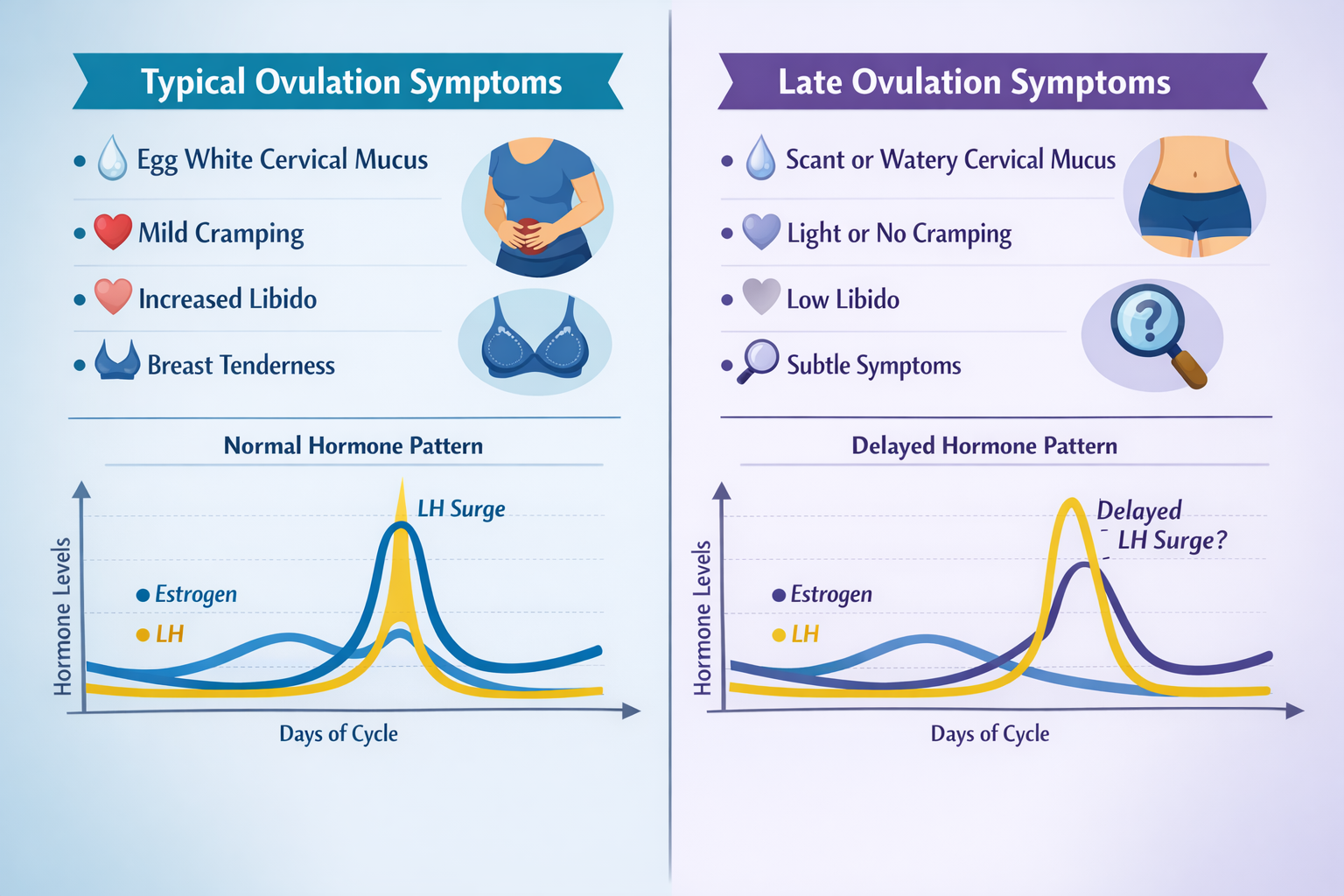
The fundamental difference between late ovulation symptoms and those of regular ovulation lies primarily in their timing within the menstrual cycle. While the types of symptoms (e.g., cervical mucus, BBT shift) remain largely the same, their appearance is significantly delayed with late ovulation. This delay can make it challenging to identify your fertile window accurately if you're not actively tracking.
| Symptom Category | Regular Ovulation (Approx. Day 14) | Late Ovulation (Approx. Day 21+) |
|---|---|---|
| Ovulation Predictor Kit (OPK) | Positive result around cycle day 12-14. | Positive result significantly later, perhaps after cycle day 18-20. |
| Cervical Mucus (CM) | "Egg-white" consistency typically appears around cycle day 10-13. | "Egg-white" CM appears much later, or might be less noticeable/absent, leading to potential confusion. |
| Basal Body Temperature (BBT) | Sustained temperature rise observed around cycle day 15. | Sustained temperature rise occurs later in the cycle, after day 21. |
| Ovulation Pain (Mittelschmerz) | Mild cramping or twinges around mid-cycle (day 12-14). | Pain may occur later, coinciding with the delayed egg release. |
| Cycle Length Impact | Typically results in a 21-35 day cycle. | Leads to a longer-than-average menstrual cycle, often exceeding 35 days. |
| Breast Tenderness | May begin shortly after ovulation due to rising progesterone. | Begins later in the cycle, reflecting the delayed progesterone surge. |
The key takeaway is that the presence of these symptoms might be normal, but their timing is shifted. This can cause frustration for those trying to conceive, as the fertile window is harder to predict. If you're finding it difficult to pinpoint your ovulation, an Ovulation Symptoms Checker can help you analyze your signs.
Common Mistake: Relying solely on a 28-day cycle assumption can lead to missed fertile windows if you have late ovulation. Always track your individual cycle for accuracy.
What Causes Late Ovulation?
Late ovulation is not uncommon and can be triggered by a range of factors, primarily those that disrupt hormonal balance. The most frequent culprits include Polycystic Ovary Syndrome (PCOS), significant stress, extreme weight fluctuations, and certain underlying medical conditions. Understanding these causes is the first step toward managing or potentially correcting late ovulation.
Here are some of the most common causes:
- Polycystic Ovary Syndrome (PCOS): This is one of the leading causes of irregular and late ovulation. PCOS is a hormonal disorder characterized by an imbalance of reproductive hormones, leading to problems with ovulation. Many individuals with PCOS experience infrequent or prolonged menstrual periods, making late ovulation a hallmark of the condition.
- Stress: High levels of physical or emotional stress can significantly impact the hypothalamic-pituitary-ovarian (HPO) axis, which regulates your menstrual cycle. Stress can delay the release of gonadotropin-releasing hormone (GnRH), which in turn delays the LH surge necessary for ovulation.
- Weight Fluctuations (Underweight or Overweight): Both being significantly underweight or overweight can interfere with normal hormone production and ovulation. Body fat cells play a role in estrogen production, and an imbalance can disrupt the delicate hormonal symphony required for a regular cycle.
- Thyroid Disorders: An overactive (hyperthyroidism) or underactive (hypothyroidism) thyroid can disrupt the menstrual cycle and lead to late or absent ovulation. Thyroid hormones are crucial for overall metabolic and reproductive health.
- Perimenopause: As individuals approach menopause, hormone levels become erratic. Estrogen and progesterone fluctuations can lead to irregular cycles, including late ovulation, before periods eventually cease.
- Intense Exercise: While exercise is healthy, excessive or strenuous physical activity, especially when combined with insufficient caloric intake, can put stress on the body and suppress ovulation.
- Certain Medications: Some medications, including certain antidepressants, antipsychotics, and recreational drugs, can affect hormone levels and delay ovulation. Always consult your doctor about potential side effects of medications on your cycle.
Decision Rule: If you consistently experience late ovulation (cycles longer than 35 days) for three consecutive months, especially if accompanied by other symptoms like excessive hair growth, acne, or unexplained weight changes, consult a healthcare professional. They can help diagnose underlying conditions like PCOS or thyroid issues.
When Should You Seek Medical Advice for Late Ovulation Symptoms Explained?
You should seek medical advice for late ovulation symptoms if your cycles are consistently longer than 35 days, or if you've been trying to conceive for 6-12 months without success due to irregular or late ovulation. Persistent irregularities can indicate an underlying medical condition that requires diagnosis and treatment. Early intervention can significantly improve your chances of conception and address potential health concerns.
Consider consulting a doctor in the following scenarios:
- Consistently Long Cycles: If your menstrual cycles are regularly longer than 35 days and you notice that ovulation is consistently occurring very late or seems absent.
- Difficulty Conceiving: If you have been actively trying to get pregnant for 12 months (or 6 months if you are over 35) and suspect late ovulation is hindering your efforts. Understanding Late Ovulation: Chances, Timing, & Implantation Success can help inform this discussion with your doctor.
- Accompanying Symptoms: If late ovulation is accompanied by other concerning symptoms such as:
- Excessive hair growth (hirsutism)
- Acne
- Unexplained weight changes (gain or loss)
- Hair loss
- Severe pelvic pain
- Unusual vaginal discharge
- Changes in Cycle Pattern: If you've always had regular cycles and suddenly start experiencing late ovulation or significant irregularities.
- Known Risk Factors: If you have known risk factors for conditions that cause late ovulation, such as a family history of PCOS or thyroid disorders.
- Concerns About Overall Health: If you simply feel that something isn't right with your cycle or general reproductive health.
What Your Doctor Might Do:
A healthcare professional will likely start by taking a detailed medical history and performing a physical exam. They may recommend:
- Blood Tests: To check hormone levels (e.g., LH, FSH, estrogen, progesterone, thyroid hormones, prolactin, androgens).
- Ultrasound: To visualize your ovaries and uterus, checking for conditions like PCOS or uterine abnormalities.
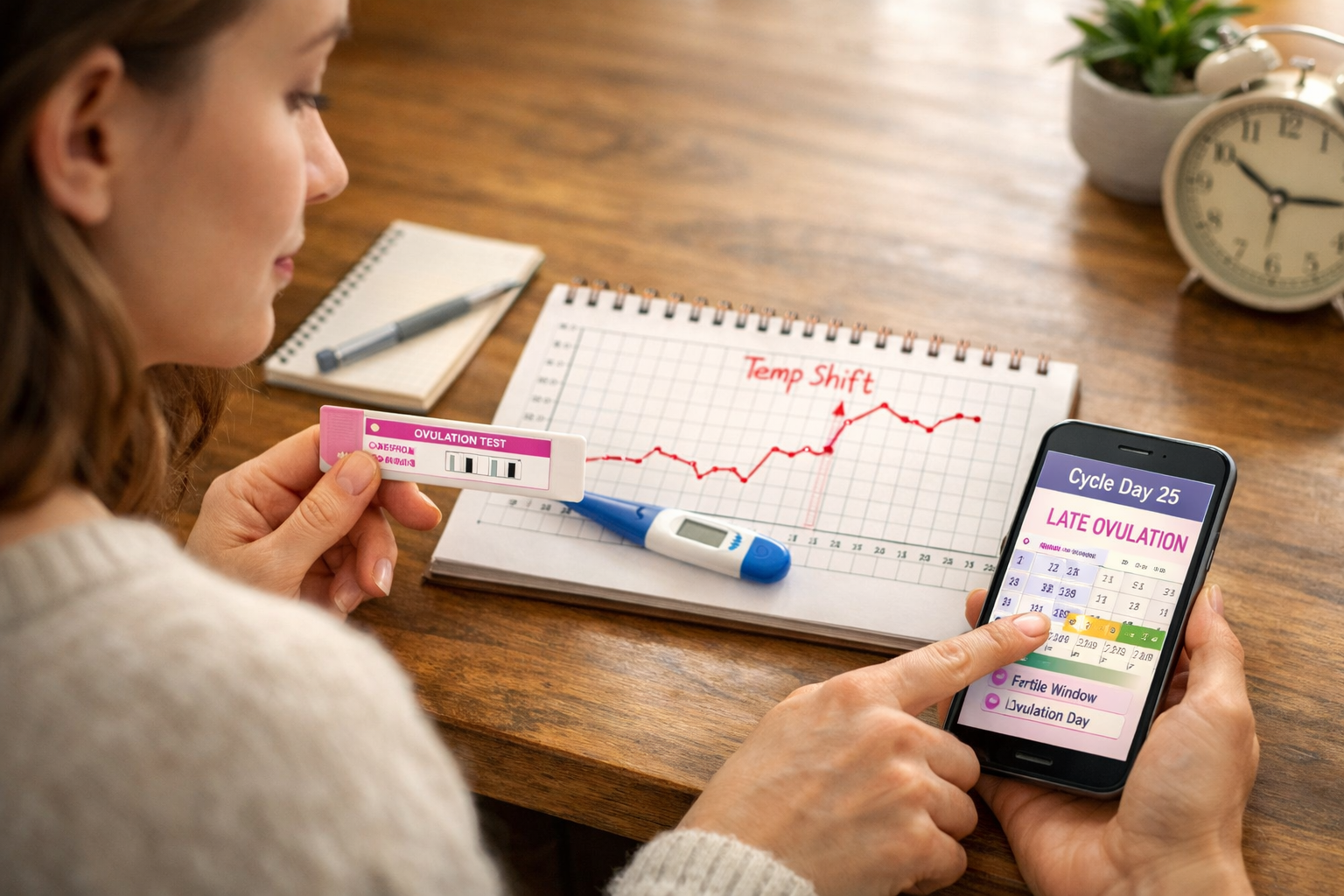
- Review of Tracking Charts: If you've been tracking your BBT, OPKs, or cervical mucus, bring these charts with you as they provide valuable information about your cycle patterns.
Addressing late ovulation is often about identifying and managing the root cause, which can range from lifestyle adjustments to specific medical treatments.
Conclusion
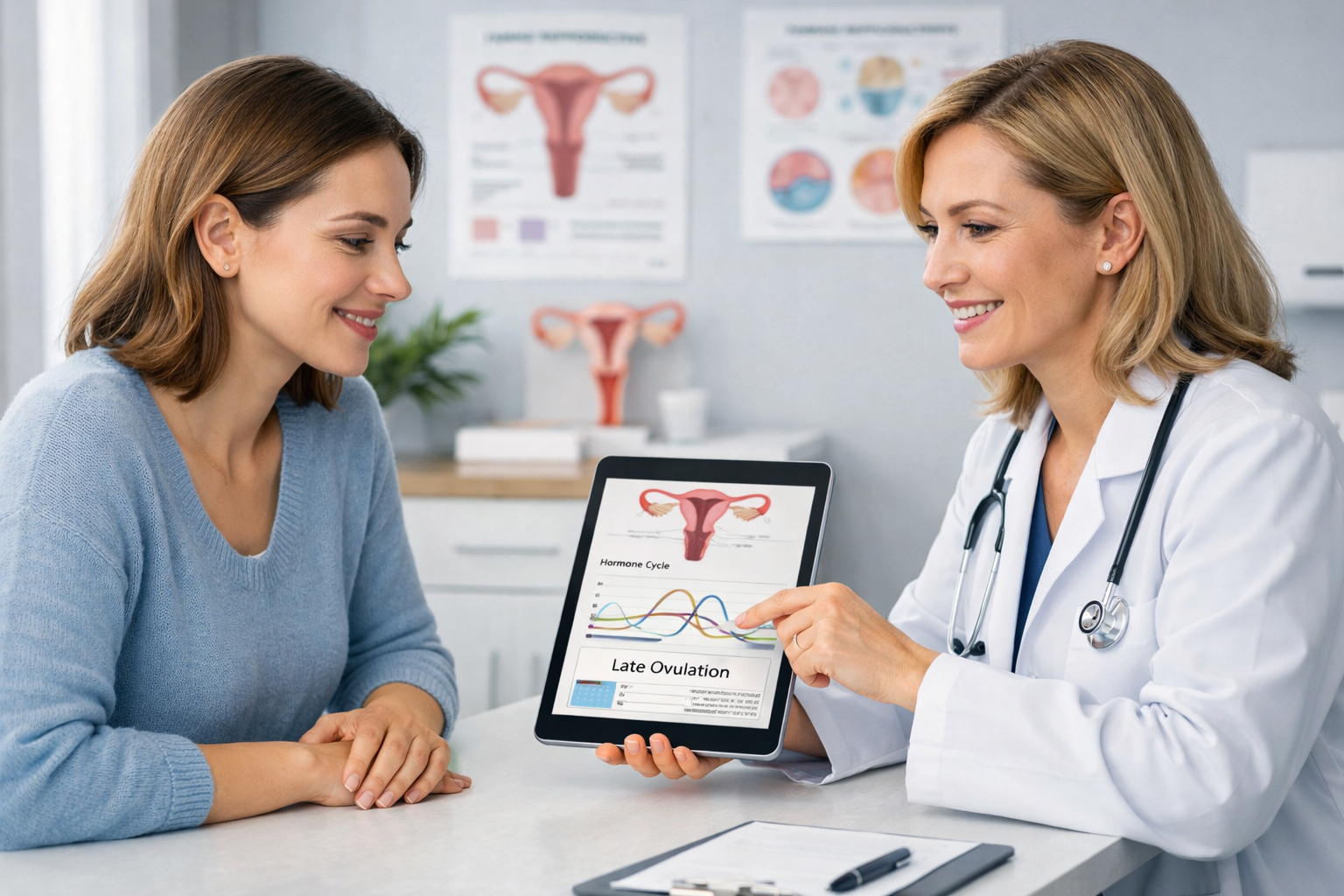
Understanding late ovulation symptoms explained is a powerful tool for anyone navigating their fertility journey or simply trying to comprehend their body's unique rhythms. Recognizing the delayed appearance of fertile cervical mucus, a later BBT shift, and a positive OPK result are key indicators. While late ovulation can be perplexing and sometimes frustrating, especially for those trying to conceive, it is often manageable. Factors such as PCOS, stress, weight fluctuations, and thyroid conditions frequently contribute to its occurrence.
By consistently tracking your cycle with methods like BBT charting and OPKs, you can gain valuable insights into your fertile window, even when it's delayed. For persistent late ovulation, or if you have concerns about your reproductive health, seeking guidance from a healthcare professional is always the best next step. They can help identify underlying causes and recommend appropriate strategies, from lifestyle modifications to medical interventions, to support regular ovulation and overall well-being. Empower yourself with knowledge and proactive health management to better understand and respond to your body's signals.
Related Reading:
- Late Ovulation: Chances, Timing, & Implantation Success
- AI Ovulation Predictor | Advanced Fertility Tracking with Machine Learning
- BBT Chart Tool | Track Your Basal Body Temperature for Ovulation
FAQ
Q: Can I still get pregnant with late ovulation? A: Yes, you can still get pregnant with late ovulation, but it might be more challenging to pinpoint your fertile window. Accurate tracking of symptoms is crucial.
Q: How do I track late ovulation accurately? A: Track late ovulation using a combination of methods: basal body temperature (BBT) charting, ovulation predictor kits (OPKs), and monitoring cervical mucus changes. An AI Ovulation Predictor can also assist.
Q: What is considered "late" for ovulation? A: Ovulation is generally considered late if it occurs after day 21 of your menstrual cycle, or if your overall cycle length exceeds 35 days.
Q: Does late ovulation mean I have a hormonal imbalance? A: Not always, but it can be a sign. Stress, diet, and exercise can also cause late ovulation. Persistent late ovulation, however, warrants investigation for hormonal imbalances like PCOS or thyroid issues.
Q: Will late ovulation affect my baby's due date? A: Yes, if conception occurs with late ovulation, your due date will be calculated based on the actual conception date, not a standard 28-day cycle assumption. An Implantation Date Calculator can help estimate timing.
Q: Can stress cause late ovulation? A: Yes, high levels of physical or emotional stress can disrupt the hormones that regulate ovulation, leading to a delayed egg release.
Q: Are there any natural ways to encourage earlier ovulation? A: Lifestyle adjustments such as managing stress, maintaining a healthy weight, eating a balanced diet, and engaging in moderate exercise can sometimes help regulate ovulation. Always consult a healthcare provider for personalized advice.