Key Takeaways
- Conception is possible with one instance of unprotected sex: The probability exists, especially if intercourse occurs during the fertile window.
- Timing is crucial: Pregnancy is most likely if unprotected sex happens during the 5 days leading up to ovulation and on the day of ovulation itself.
- Average probability is moderate: For couples having regular unprotected sex, the chance of conception in any given menstrual cycle is typically 15-25%.
- Sperm can survive for several days: Sperm can live inside the female reproductive tract for up to 5 days, meaning sex before ovulation can still lead to pregnancy.
- Many factors influence chances: Age, menstrual cycle regularity, overall health, and male fertility all play significant roles.
- Emergency contraception is an option: If pregnancy is not desired, emergency contraception (EC) can be effective if taken promptly after unprotected sex.
- Understand your cycle: Tracking your menstrual cycle and recognizing ovulation signs can help determine your fertile window.
Quick Answer
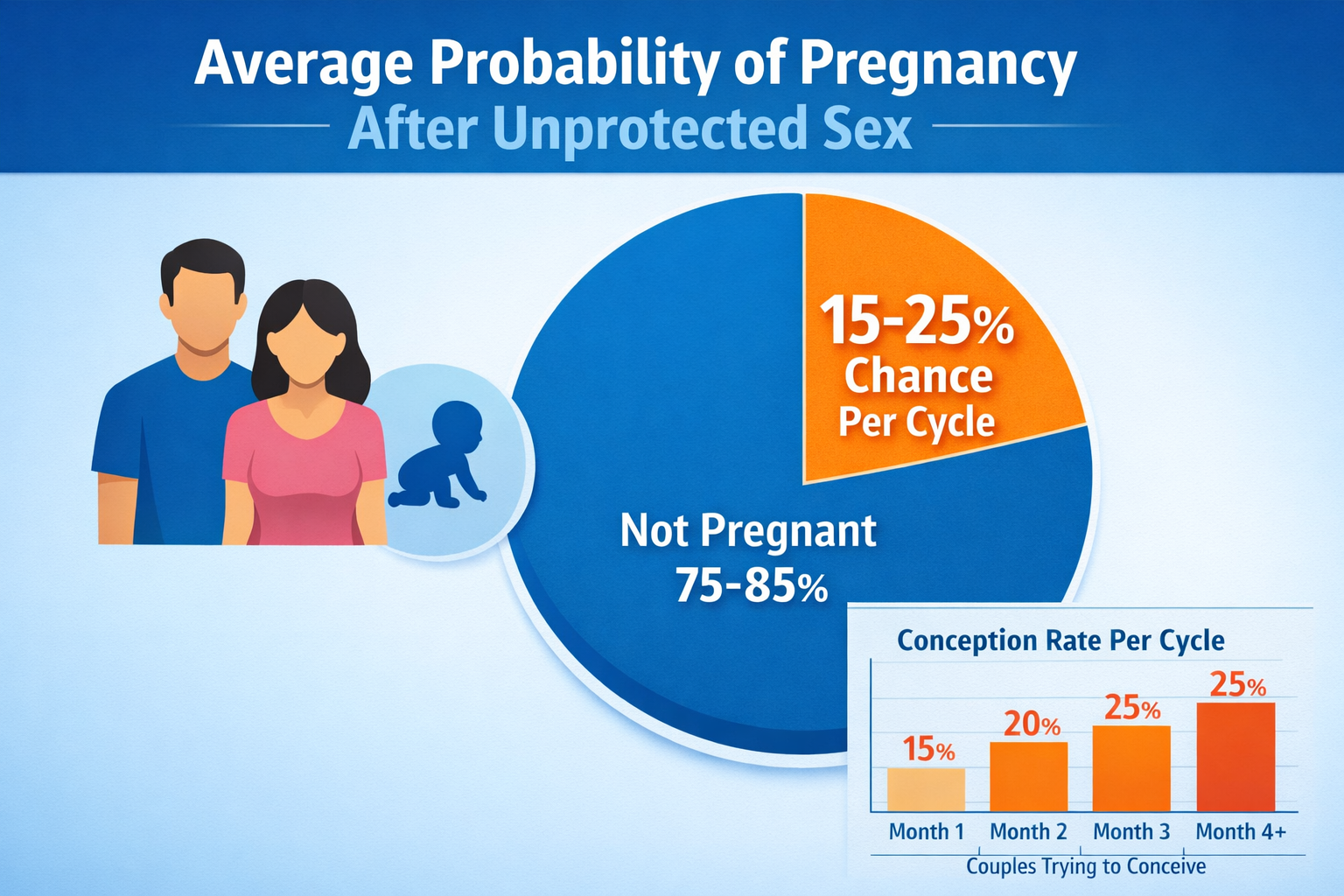
The chances of pregnancy after one time of unprotected sex vary significantly but are indeed possible, particularly if intercourse occurs during the fertile window – the few days leading up to and including ovulation. While it's not a guaranteed outcome, the average probability of conception in a single cycle for a healthy, fertile couple is generally between 15% and 25%.
What are the Odds of Pregnancy Chances After One Time Unprotected Sex?
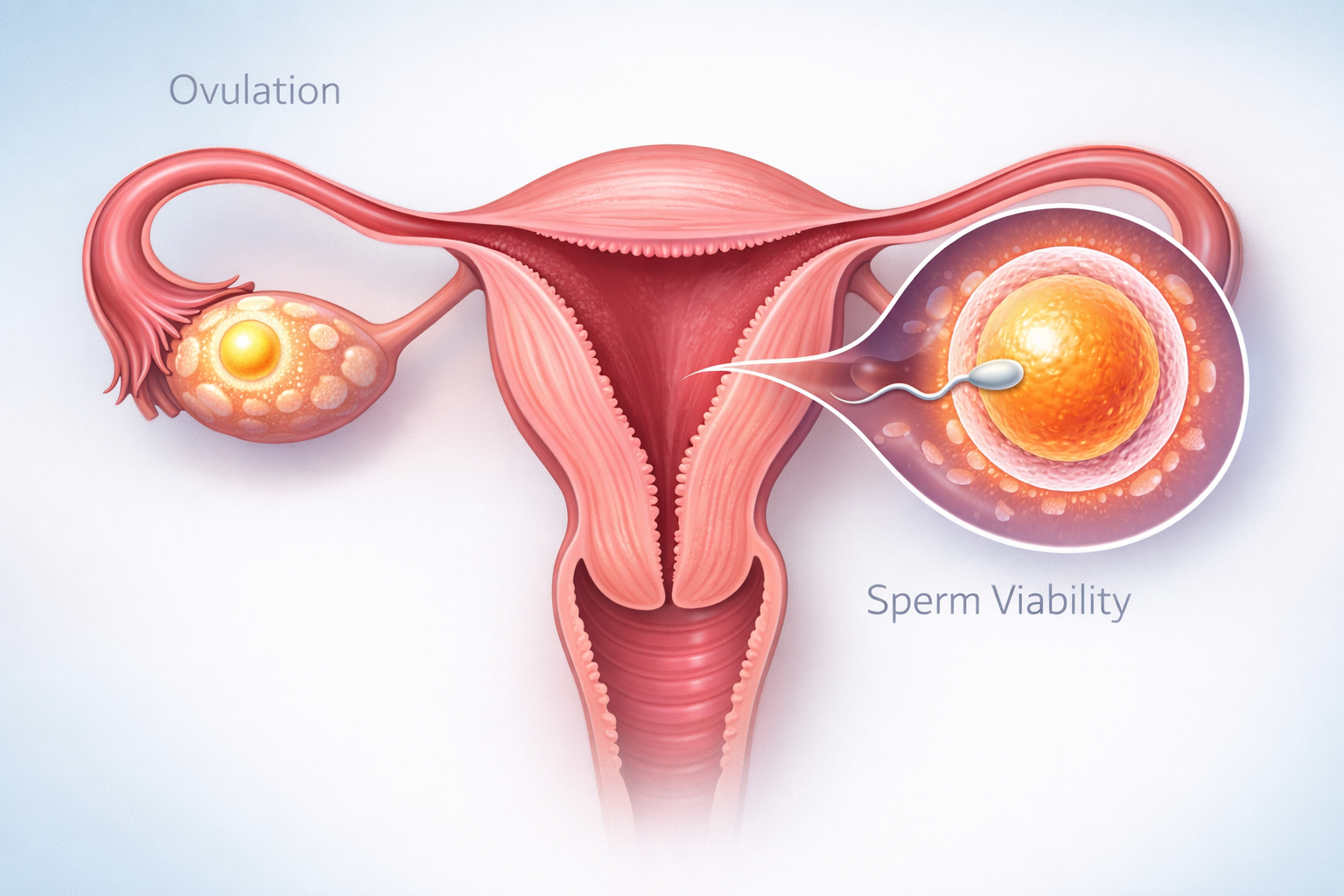
The odds of pregnancy after one time of unprotected sex are not negligible and depend heavily on when that single instance occurs within the menstrual cycle. Conception is a complex biological process, but even one exposure to sperm during the fertile window can lead to pregnancy due to sperm viability and egg presence.
While it's difficult to give an exact percentage for a single instance without knowing the precise timing relative to ovulation, for couples attempting to conceive with regular unprotected intercourse, the average probability of pregnancy in any given menstrual cycle typically ranges from 15% to 25% (American Society for Reproductive Medicine, 2017). This broad range highlights that even with multiple attempts, pregnancy isn't guaranteed, and conversely, a single, well-timed encounter can be sufficient. The critical factor for "Pregnancy Chances After One Time Unprotected" is the timing: if that one instance falls within the fertile window, the chances increase dramatically.
How Does the Menstrual Cycle Impact Pregnancy Chances After One Time Unprotected?
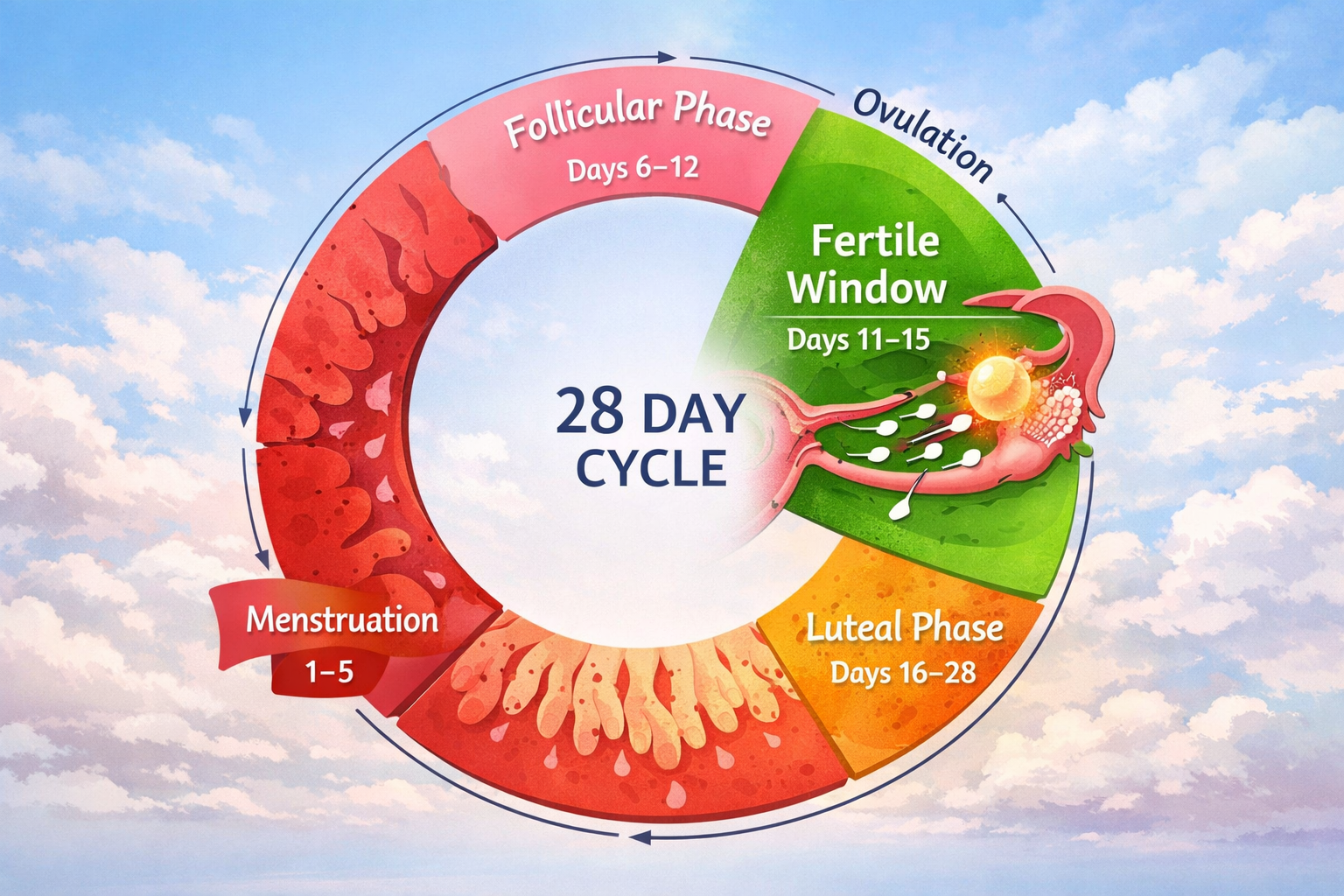
The menstrual cycle dictates the fertile window, which is the only time pregnancy can occur, thus profoundly impacting "Pregnancy Chances After One Time Unprotected." Understanding your cycle is paramount because a single act of unprotected sex outside this window carries virtually no risk of pregnancy, while an act within it carries the highest risk.
The fertile window is generally considered to be the 5 days leading up to ovulation and the day of ovulation itself. Here's how the cycle phases influence the chances:
- Menstruation (Day 1-5, approximately): While bleeding, the chance of pregnancy is extremely low. However, if you have a very short cycle (e.g., 21 days) and sperm survive for 5 days, it is technically possible, though rare, to conceive from sex towards the end of your period if ovulation occurs exceptionally early.
- Follicular Phase (leading up to ovulation): As the egg matures, the body prepares for ovulation. Unprotected sex during the 5 days prior to ovulation carries a significant risk because sperm can survive in the reproductive tract for up to 5 days, waiting for the egg's release.
- Ovulation (typically mid-cycle, around Day 14 in a 28-day cycle): This is the day the mature egg is released from the ovary. Having unprotected sex on the day of ovulation offers the highest chance of conception. The egg is viable for about 12-24 hours after release.
- Luteal Phase (after ovulation): Once ovulation has occurred and the egg is no longer viable, the chances of pregnancy rapidly decrease. After about 24 hours post-ovulation, the chance of conception from unprotected sex becomes negligible until the next cycle.
For individuals with irregular cycles, identifying the fertile window can be challenging, making the "Pregnancy Chances After One Time Unprotected" more unpredictable. Tools like an Ovulation Calculator can help estimate your most fertile days.
What Factors Influence Pregnancy Chances After One Time Unprotected?
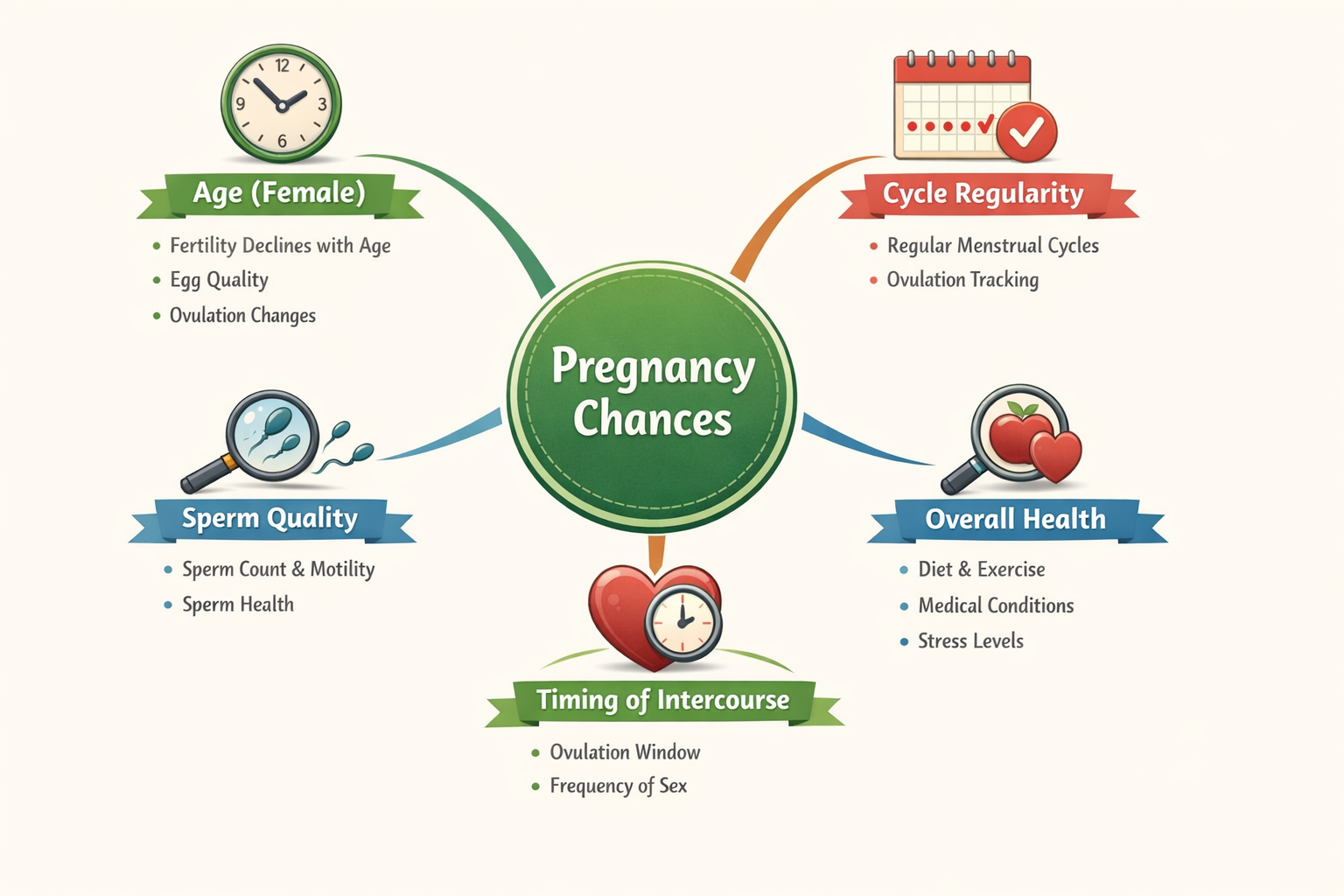
Beyond the timing within the menstrual cycle, several critical factors influence the "Pregnancy Chances After One Time Unprotected." These elements relate to the health and fertility of both partners and can either increase or decrease the likelihood of conception.
Here's a breakdown of the key influencing factors:
- Age of the Female Partner:
- Peak Fertility: Women are most fertile in their 20s and early 30s. The chance of conception per cycle is highest during this period.
- Decreased Fertility: Fertility gradually declines after age 30, with a more significant drop after 35 and a sharp decline after 40, due to a decrease in egg quality and quantity (National Institute of Child Health and Human Development, 2013). For more detailed insights, you can use a Pregnancy Chance by Age Calculator.
- Menstrual Cycle Regularity:
- Regular Cycles: Predictable cycles make it easier to identify the fertile window, thus increasing the effectiveness of timed unprotected sex.
- Irregular Cycles: Irregular ovulation makes it difficult to pinpoint the fertile window, potentially leading to lower chances of conception from a single, untimed act of unprotected sex, as the probability of hitting the fertile window randomly decreases.
- Overall Health and Lifestyle:
- Female Health: Conditions like Polycystic Ovary Syndrome (PCOS), endometriosis, thyroid disorders, and sexually transmitted infections (STIs) can impact ovulation and fertility.
- Male Health: Sperm quality (count, motility, morphology) is crucial. Factors like age, chronic health conditions, certain medications, and lifestyle choices (smoking, excessive alcohol, obesity) can negatively affect sperm health.
- Weight: Both underweight and overweight conditions in either partner can affect fertility.
- Sperm Viability:
- Healthy sperm can survive in the female reproductive tract for up to 5 days, sometimes longer, awaiting the release of an egg. This extended viability is a primary reason why unprotected sex several days before ovulation can still lead to pregnancy.
- Frequency of Intercourse (in general): While this article focuses on one instance, it's worth noting that couples trying to conceive often have sex regularly during the fertile window to maximize chances. A single instance, by nature, has a lower overall probability than multiple attempts within the same fertile period.
- Previous Pregnancies: A history of successful pregnancies often indicates higher baseline fertility. Conversely, a history of fertility issues or recurrent miscarriages may suggest underlying factors impacting conception chances.
Considering these variables provides a more nuanced understanding of "Pregnancy Chances After One Time Unprotected," moving beyond a simple yes or no answer to acknowledge the intricate biology involved.
What Are the Signs and Symptoms to Look For After Unprotected Sex?
After unprotected sex, especially if there's concern about "Pregnancy Chances After One Time Unprotected," individuals often look for early signs of pregnancy. It's important to remember that many early pregnancy symptoms overlap with premenstrual syndrome (PMS) or other conditions, making definitive self-diagnosis challenging.
The most reliable early sign of pregnancy is a missed period. However, other symptoms can appear before or around the time of an expected period:
- Missed Period: This is often the first and most common indicator. If your period is significantly late, especially if your cycles are usually regular, it's a strong reason to consider a pregnancy test.
- Light Spotting (Implantation Bleeding): Around 10-14 days after conception, some women experience light spotting or bleeding as the fertilized egg implants into the uterine lining. This is typically lighter and shorter than a regular period. For more information, see our Implantation Calculator.
- Breast Changes: Swollen, tender, or tingling breasts, and darkening of the areolas, can occur early due to hormonal shifts.
- Nausea (Morning Sickness): This can start as early as two weeks after conception, affecting some women more severely than others. Despite the name, it can occur at any time of day.
- Fatigue: Feeling unusually tired is common in early pregnancy, primarily due to increased progesterone levels.
- Increased Urination: Hormonal changes can lead to more frequent trips to the bathroom.
- Food Cravings or Aversions: Sudden strong desires for or dislikes of certain foods can be an early symptom.
- Mood Swings: Hormonal fluctuations can cause emotional highs and lows.
It is crucial to take a pregnancy test for confirmation. Home pregnancy tests are widely available and can detect pregnancy about 10-14 days after conception, or around the time of a missed period. If you're experiencing several of these symptoms, especially a missed period, taking a test is the next step. Our Early Pregnancy Symptoms Checker can help assess your likelihood.
What Are the Options for Emergency Contraception After Unprotected Sex?
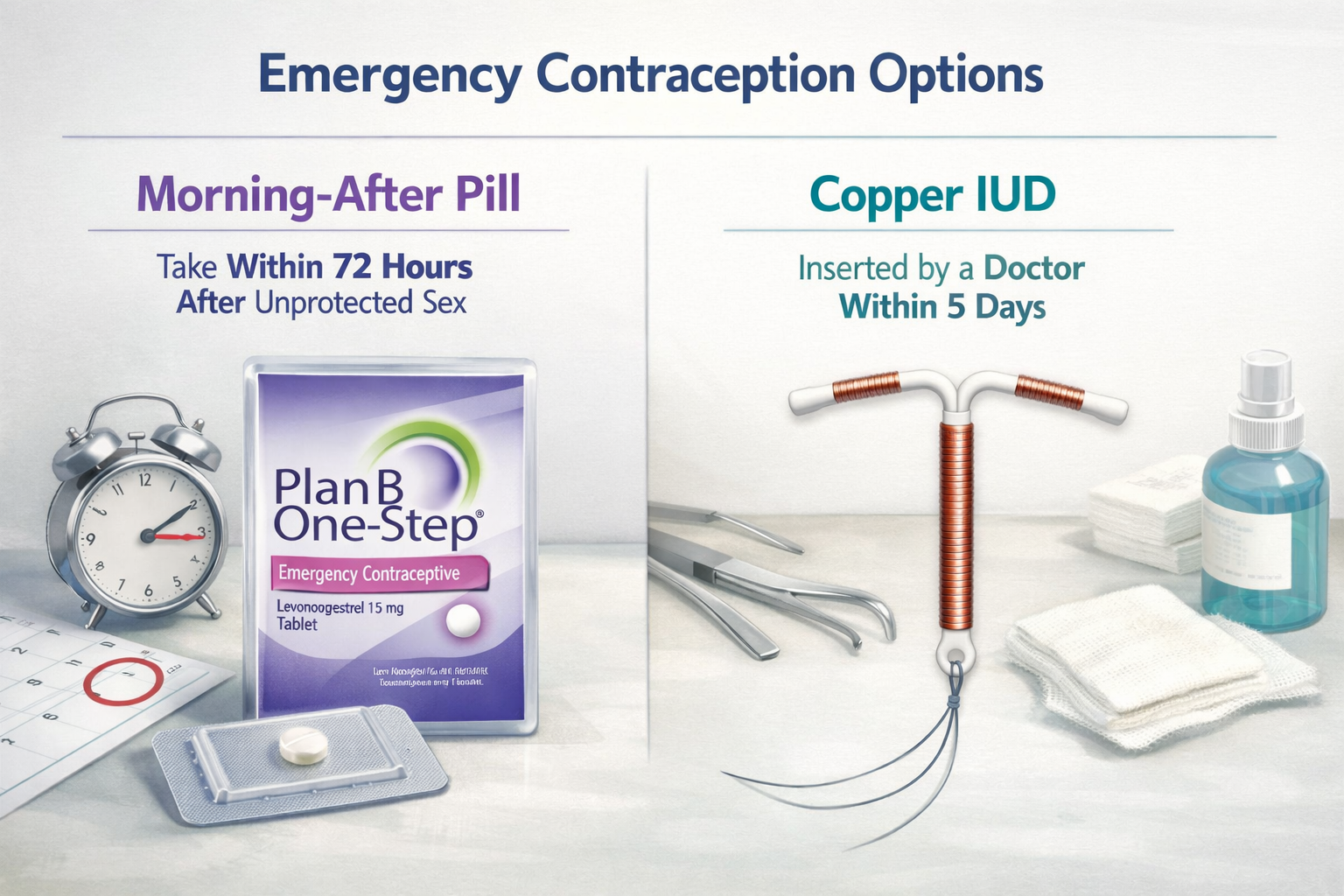
If you've had unprotected sex and wish to prevent pregnancy, emergency contraception (EC) is available and can be highly effective when used promptly. EC should be considered as soon as possible after the unprotected encounter, as its effectiveness decreases with time.
There are two primary types of emergency contraception available in 2026:
-
Emergency Contraception Pills (ECPs), or "Morning-After Pills":
- Levonorgestrel-based ECPs (e.g., Plan B One-Step, My Way): These pills work primarily by delaying or preventing ovulation. They are most effective when taken within 72 hours (3 days) of unprotected sex, but can have some effect up to 120 hours (5 days). They are available over-the-counter without a prescription or age restriction.
- Ulipristal acetate ECP (e.g., Ella): This pill is generally more effective than levonorgestrel-based pills, especially if taken closer to ovulation, and remains highly effective for up to 120 hours (5 days) after unprotected sex. Ulipristal acetate requires a prescription. It also works by delaying or preventing ovulation.
- Mechanism: Both types of ECPs do NOT cause an abortion; they prevent pregnancy from occurring in the first place by interfering with ovulation or fertilization. They are not effective if you are already pregnant.
- Timing is Key: The sooner an ECP is taken after unprotected sex, the more effective it will be.
-
Copper Intrauterine Device (IUD):
- Highly Effective: The copper IUD is the most effective form of emergency contraception and can also serve as a long-term birth control method.
- Mechanism: When inserted within 5 days of unprotected sex, the copper IUD works by creating an inflammatory reaction in the uterus that is toxic to sperm and eggs, preventing fertilization and implantation.
- Insertion: A healthcare provider must insert the copper IUD.
- Advantage: Unlike pills, the copper IUD remains effective as a contraceptive for up to 10-12 years after insertion.
Important Considerations for "Pregnancy Chances After One Time Unprotected":
- Consult a Healthcare Provider: If you're unsure which EC option is best for you, or if you have any underlying health conditions, consult a doctor or pharmacist.
- Not Regular Birth Control: EC is designed for emergency situations and is not as effective as regular birth control methods for ongoing prevention.
- STI Prevention: Emergency contraception does not protect against sexually transmitted infections. If there's a risk of STIs, speak to a healthcare professional about testing and prevention.
Taking swift action with emergency contraception can significantly reduce the "Pregnancy Chances After One Time Unprotected" if pregnancy is undesired.
Conclusion
Understanding "Pregnancy Chances After One Time Unprotected" sex involves acknowledging a complex interplay of timing, biology, and individual health factors. While a single instance of unprotected intercourse does not guarantee pregnancy, the possibility is very real, especially if it occurs during the fertile window around ovulation. The average probability for healthy, fertile couples having regular unprotected sex is between 15% and 25% per cycle, and a single, well-timed encounter can certainly fall within this statistical likelihood.
Factors such as the female partner's age, the regularity of her menstrual cycle, the overall health of both partners, and the viability of sperm all play crucial roles in determining the actual chances. For those concerned about potential pregnancy, recognizing early symptoms like a missed period is vital, followed by a confirmed pregnancy test. If pregnancy is not desired, prompt action with emergency contraception, such as the morning-after pill or a copper IUD, can significantly reduce the risk, with effectiveness being highest the sooner it's utilized.
Ultimately, whether you are trying to conceive or trying to prevent pregnancy, being informed about your body, understanding your menstrual cycle, and utilizing available resources and medical advice are the most empowering steps.
Actionable Next Steps:
- Track Your Cycle: If you're trying to understand your fertility, use an Easy Ovulation Calculator or a BBT chart tool to track your menstrual cycle and identify your fertile window.
- Take a Pregnancy Test: If you've had unprotected sex and your period is late or you're experiencing symptoms, take a home pregnancy test for confirmation.
- Consider Emergency Contraception: If you had unprotected sex within the last 5 days and wish to prevent pregnancy, speak to a pharmacist or healthcare provider immediately about emergency contraception options.
- Consult a Healthcare Professional: For personalized advice on fertility, contraception, or if you have concerns about your reproductive health, schedule an appointment with your doctor.
- Review Contraception Options: If preventing pregnancy is a long-term goal, discuss suitable ongoing birth control methods with your healthcare provider.
Related Reading
- Pregnancy Chance Calculator | Estimate Your Probability of Conception
- Fertile Window Calculator: Maximize Conception in 2025
- Late Ovulation: Chances, Timing, & Implantation Success
Sources
- American Society for Reproductive Medicine. (2017). Optimizing Natural Fertility. Retrieved from https://www.asrm.org/practice-guidance/patient-resources/patient-handouts/optimizing-natural-fertility/
- National Institute of Child Health and Human Development. (2013). How long does it usually take for a woman to become pregnant? Retrieved from https://www.nichd.nih.gov/health/topics/pregnancy/conditioninfo/Pages/pregnant-how-long.aspx