How Many Days After Ovulation Does Implantation Happen? Your Essential 2026 Guide
Last updated: March 6, 2026
For many hoping to conceive, the wait between ovulation and a positive pregnancy test can feel like an eternity, filled with questions about what's happening inside the body. A primary concern often revolves around the precise timing of a critical early step: implantation. Understanding how many days after ovulation does implantation happen is key to managing expectations and recognizing the earliest signs of pregnancy. This article will provide a comprehensive, expert-backed guide to this crucial phase of conception, helping you navigate the journey with greater clarity in 2026.
Key Takeaways
- Implantation typically occurs 6 to 12 days after ovulation (DPO), with an average timing of 8 to 10 DPO.
- The process involves a fertilized egg (now a blastocyst) attaching to the uterine wall.
- Early implantation can happen as early as 6 DPO, while late implantation can extend to 12 DPO.
- Factors like ovulation timing, fertilization success, and uterine receptivity all influence when implantation takes place.
- Implantation bleeding and cramping are common but not universally experienced early pregnancy symptoms.
- A home pregnancy test is most accurate a few days after the expected period, not immediately after potential implantation.
- Tracking ovulation diligently is crucial for accurately estimating the implantation window.
Quick Answer
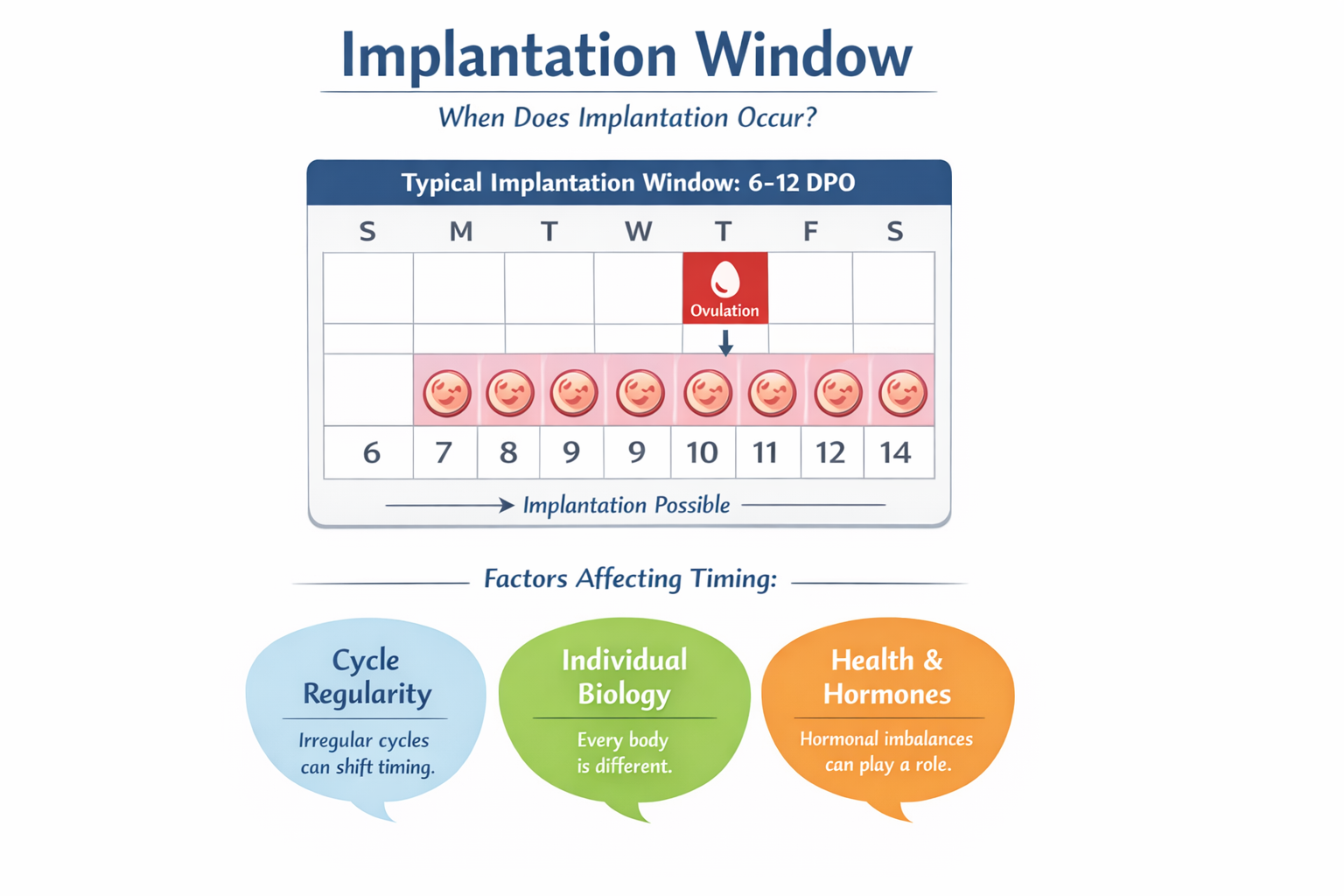
Implantation, the process where a fertilized egg attaches to the uterine lining, most commonly occurs between 6 and 12 days after ovulation (DPO). While individual timelines can vary, the sweet spot for implantation is usually 8 to 10 DPO. This window is essential for the embryo to secure itself for further development.
What is Implantation and Why Does Timing Matter?
Implantation is a critical step in early pregnancy where a fertilized egg, which has developed into a blastocyst, attaches to the wall of the uterus. This process marks the transition from a free-floating embryo to one that is securely embedded, allowing it to receive nutrients and grow. The timing of implantation matters profoundly because it directly influences when pregnancy hormones begin to rise significantly enough to be detected by pregnancy tests and, ultimately, the viability of the pregnancy itself. Understanding how many days after ovulation does implantation happen helps individuals identify the earliest possible signs of conception and understand the biological clockwork involved.
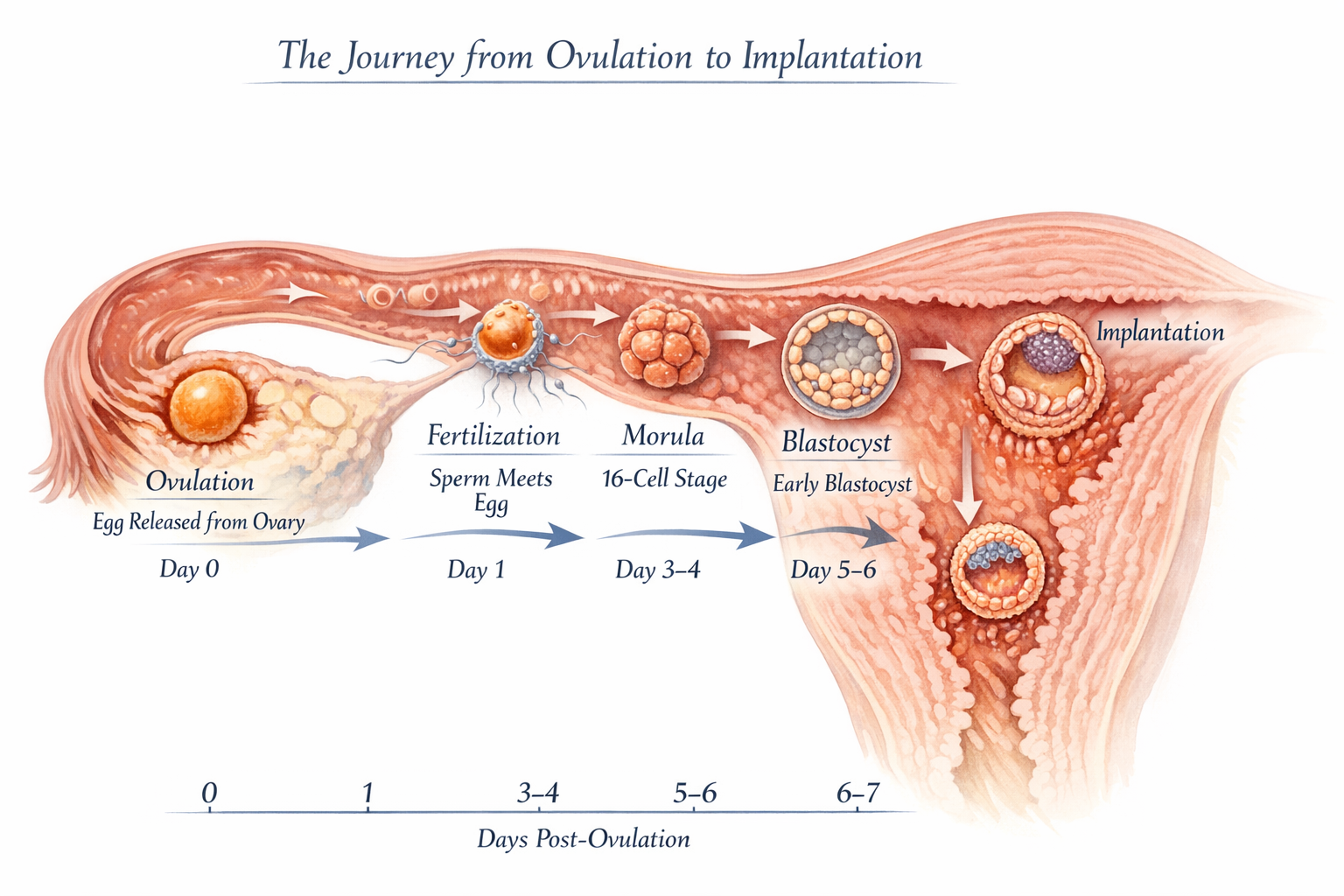
After ovulation, if fertilization occurs, the fertilized egg travels down the fallopian tube. During this journey, it undergoes rapid cell division, transforming first into a morula and then into a blastocyst. This entire journey typically takes about 5 to 6 days. Once the blastocyst reaches the uterus, it "hatches" from its protective outer shell and begins to interact with the uterine lining (endometrium). This interaction culminates in implantation. A successful implantation allows the embryo to tap into the mother's blood supply, initiating the production of human chorionic gonadotropin (hCG), the hormone detected by pregnancy tests. If implantation doesn't occur, the uterine lining is shed during menstruation, and pregnancy does not ensue.
How Many Days After Ovulation Does Implantation Happen? The Typical Timeline
Implantation typically occurs between 6 and 12 days after ovulation (DPO), with the majority of successful implantations happening around 8 to 10 DPO. This range accounts for individual biological variations in the speed of egg transport, cell division, and uterine receptivity. Knowing this general window is vital for anyone tracking their cycles for conception, as it helps temper expectations regarding early pregnancy symptoms and the timing of a reliable pregnancy test. You can get a personalized estimate of your implantation window using an Implantation Date Calculator.
Here's a breakdown of the typical timeline:
- Day 0: Ovulation - An egg is released from the ovary.
- Day 0-1: Fertilization - If sperm are present, fertilization usually occurs in the fallopian tube within 12-24 hours of ovulation.
- Day 1-5: Cell Division & Journey - The fertilized egg (now a zygote) begins to divide rapidly while traveling down the fallopian tube towards the uterus. It becomes a morula, then a blastocyst.
- Day 5-6: Blastocyst Reaches Uterus - The blastocyst arrives in the uterus.
- Day 6-12: Implantation Window - The blastocyst "hatches" from its shell and begins to attach to the uterine lining. This attachment process is implantation.
While 8-10 DPO is the most common time for implantation, some women might experience it slightly earlier (6-7 DPO, often referred to as "early implantation") or later (11-12 DPO, known as "late implantation"). Implantation after 12 DPO is less common and may be associated with a higher risk of early pregnancy loss, though not definitively. If you're consistently tracking your ovulation, tools like an Ovulation Calculator can help pinpoint this critical starting point.
The Science Behind Implantation: What Exactly Happens?
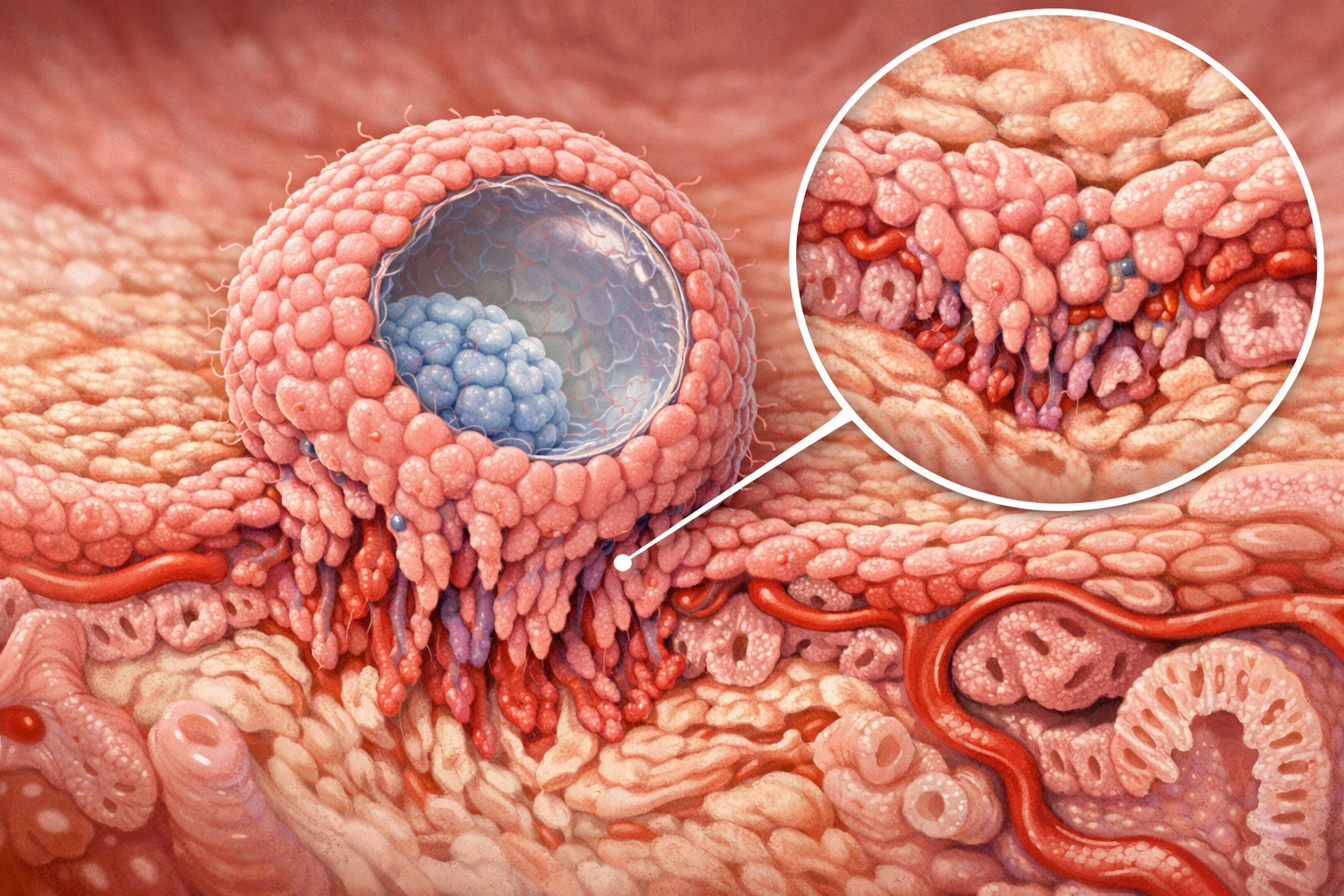
The implantation process is a complex biological dance involving intricate communication between the blastocyst and the receptive uterine lining, also known as the endometrium. It is not an instantaneous event but a multi-stage process that can take several days to complete, beginning with initial attachment and culminating in firm embedding. Understanding this intricate process helps to explain how many days after ovulation does implantation happen and why the timing can vary.
Here's a simplified breakdown of the stages:
- Apposition: The blastocyst, now free-floating in the uterine cavity, aligns itself against the uterine wall. This initial contact is often likened to the blastocyst "rolling" along the surface until it finds an optimal attachment site.
- Adhesion: Specific molecules on the surface of the blastocyst (trophoblast cells) and the uterine lining bind together, creating a firmer, albeit still loose, attachment. This stage is crucial for the embryo to anchor itself.
- Invasion: The trophoblast cells of the blastocyst begin to invade the uterine lining, burrowing into the maternal tissue. They break down the cells of the endometrium, establishing a more secure connection and beginning to form the placenta. This invasive process allows the embryo to access the mother's blood supply for nutrients and oxygen.
This entire sequence of events requires a perfectly timed hormonal environment, primarily involving progesterone, which thickens the uterine lining and makes it receptive. If the uterine lining is not adequately prepared, or if the blastocyst is not healthy, implantation may fail.
What Are the Signs and Symptoms of Implantation?
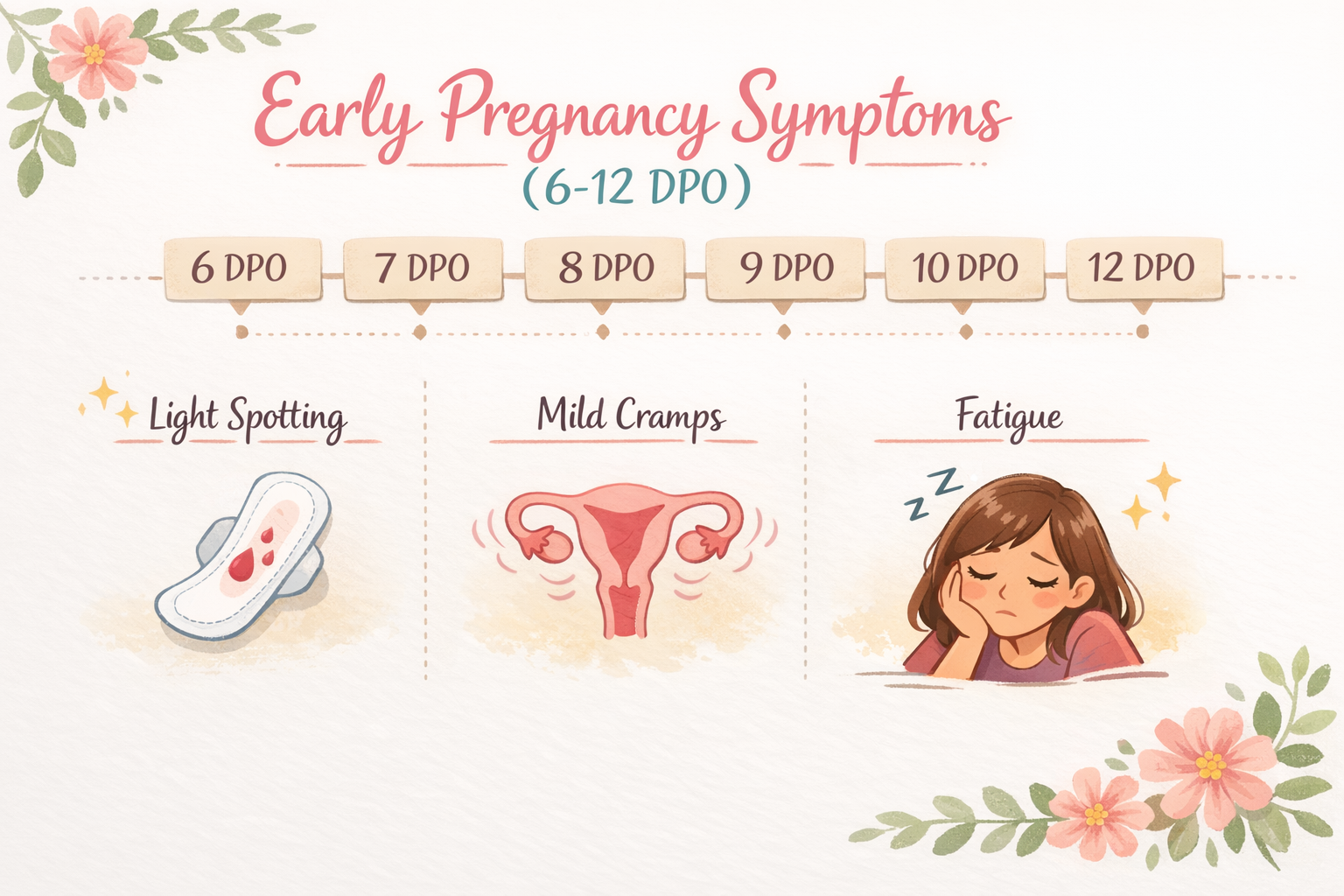
While many women experience no discernible symptoms during implantation, some may notice subtle signs that can indicate the event has occurred. These symptoms, however, are often mild and can easily be mistaken for premenstrual syndrome (PMS) or other minor bodily changes, making it difficult to definitively know how many days after ovulation does implantation happen based solely on symptoms. The most commonly reported signs are implantation bleeding and mild cramping.
Common potential implantation symptoms include:
- Implantation Bleeding: This is typically very light spotting, often pinkish or brownish, lasting from a few hours to a couple of days. It's usually much lighter than a regular period and occurs around 6 to 12 DPO. While often cited, only about 20-30% of pregnant women report experiencing it.
- Mild Cramping: Some women report feeling mild, period-like cramps or a dull ache in the lower abdomen or back during implantation. These cramps are generally less intense than menstrual cramps.
- Breast Tenderness: Hormonal shifts during implantation can sometimes lead to slight breast tenderness or soreness.
- Fatigue: An increase in progesterone after conception can cause feelings of tiredness or fatigue.
- Nausea: While morning sickness usually starts later, some women might experience very mild nausea or heightened sensitivity to smells around the time of implantation.
- Increased Basal Body Temperature (BBT): Some women tracking their BBT may notice a secondary rise or sustained high temperature after ovulation, sometimes referred to as a "triphasic" chart, which can indicate implantation. Our BBT Chart Tool can help you track this.
It's crucial to remember that these symptoms are not definitive proof of pregnancy. Many women experience a successful pregnancy without any of these signs, and conversely, these symptoms can occur for reasons unrelated to pregnancy. The only reliable way to confirm pregnancy is through a positive pregnancy test.
Factors Influencing Implantation Success and Timing
Several factors can influence both the timing and the success of implantation, shedding light on why the answer to how many days after ovulation does implantation happen isn't always an exact number. These factors range from the quality of the embryo to the health of the maternal reproductive system and even lifestyle choices.
Key factors include:
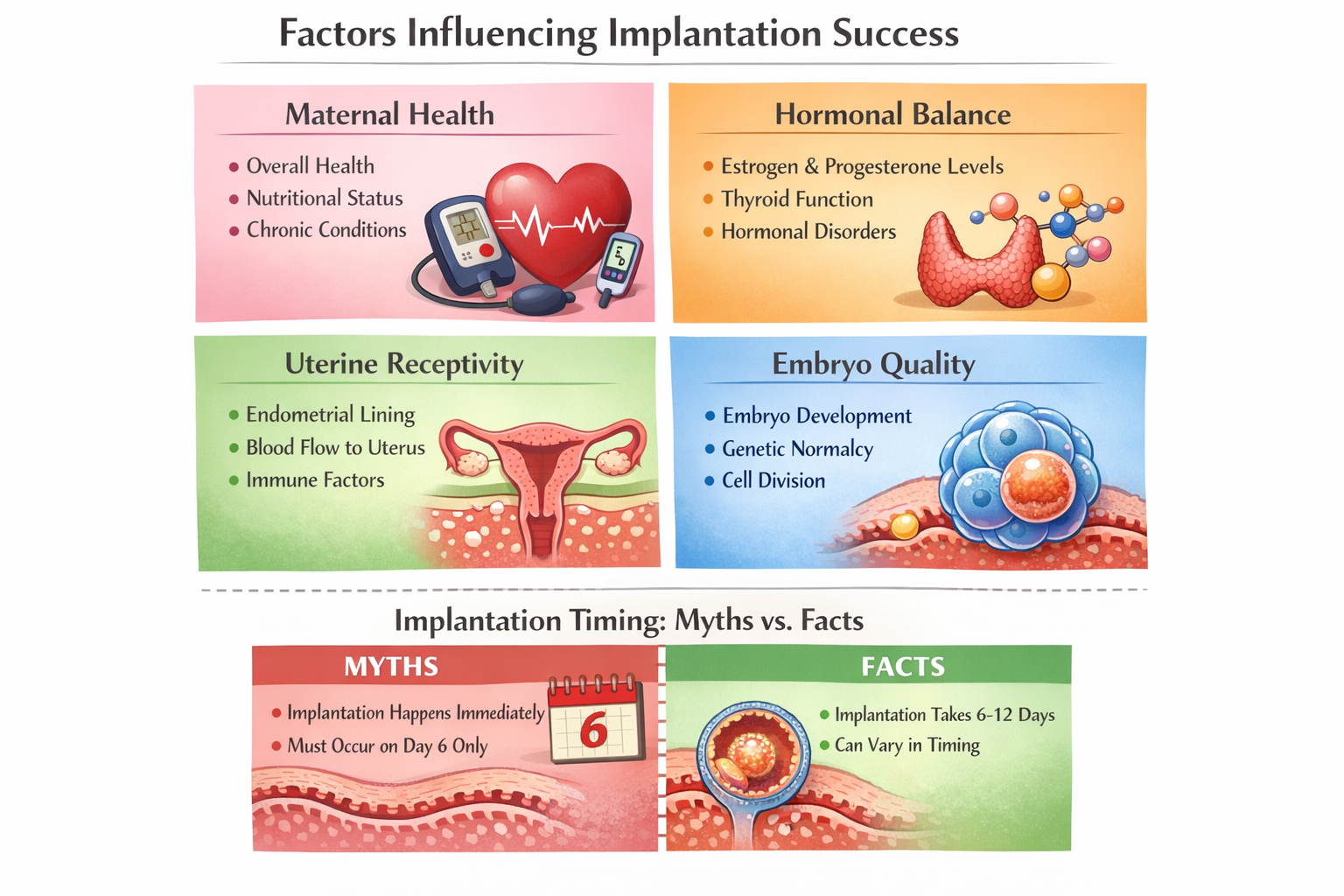
- Embryo Quality: A healthy embryo with the correct number of chromosomes and proper development is more likely to implant successfully. Embryos that are genetically abnormal often fail to implant or result in early miscarriage.
- Uterine Receptivity: The uterine lining (endometrium) must be in a receptive state, often called the "window of implantation," for the blastocyst to attach. This receptivity is primarily controlled by hormones, particularly progesterone. A thin or unprepared uterine lining can hinder implantation.
- Hormonal Balance: Adequate levels of progesterone are crucial for preparing and maintaining the uterine lining. Imbalances in hormones can affect the timing and success of implantation.
- Maternal Health and Lifestyle: General maternal health, including conditions like uncontrolled diabetes, thyroid disorders, or autoimmune diseases, can impact implantation. Lifestyle factors such as smoking, excessive alcohol consumption, and significant stress can also negatively affect fertility and implantation.
- Ovulation Timing: The precision of ovulation tracking affects the perceived DPO. If ovulation occurred later than anticipated (see Late Ovulation), the implantation window would also shift accordingly. Using tools like an AI Ovulation Predictor can enhance accuracy.
- Fallopian Tube Health: Blockages or damage to the fallopian tubes can impede the embryo's journey to the uterus, delaying or preventing it from reaching the implantation site in time.
| Factor | Impact on Implantation Timing & Success |
|---|---|
| Embryo Quality | Healthy, chromosomally normal embryos implant more readily. |
| Uterine Receptivity | Optimal endometrial thickness and hormonal environment are critical. |
| Hormonal Balance | Adequate progesterone levels are essential for uterine preparation. |
| Ovulation Accuracy | Miscalculating ovulation shifts the entire DPO timeline. |
| Maternal Health | Certain health conditions can hinder implantation. |
When to Take a Pregnancy Test After Implantation
Understanding how many days after ovulation does implantation happen is helpful for gauging when to take a pregnancy test, but it's important to be patient. While implantation marks the beginning of hCG production, the levels of this hormone are initially very low and take a few days to build up to a detectable level in urine.
Most home pregnancy tests are designed to detect hCG levels that are typically present around the time of a missed period. If you test too early, even after implantation has occurred, you might get a false negative result because your hCG levels haven't risen sufficiently.
General recommendation:
- Wait until at least your missed period: This is usually around 14 DPO, or about 4-5 days after the average implantation day (9 DPO).
- Consider testing 14 DPO or later: While some sensitive tests claim to detect pregnancy a few days before a missed period, waiting until 14 DPO significantly increases the accuracy of the result. For earlier detection, blood tests ordered by a doctor can detect hCG sooner.
Taking a test too early can lead to unnecessary disappointment or confusion. If you receive a negative result but still suspect you might be pregnant, wait a few more days and test again, or consult with your healthcare provider. For more insights on your chances, explore our Pregnancy Chance Calculator.
Conclusion
The journey from ovulation to implantation is a marvel of human biology, a finely tuned process that culminates in the earliest stages of pregnancy. While the question of how many days after ovulation does implantation happen points to a clear window of 6 to 12 DPO, with 8 to 10 DPO being the most common, individual experiences can vary. Recognizing this timeline empowers individuals to better understand their bodies, interpret potential early symptoms, and appropriately time pregnancy tests.
For those actively trying to conceive, tracking ovulation diligently through tools like an Easy Ovulation Calculator or by monitoring symptoms can provide invaluable insight. Remember that patience is key in the waiting game between ovulation and a definitive pregnancy test result. If you have concerns about your cycle, fertility, or potential pregnancy, always consult with a healthcare professional for personalized advice and guidance.
Related Reading
- Implantation Calculator | When Will Embryo Implant After Ovulation
- Late Ovulation: Chances, Timing, & Implantation Success
- Early Pregnancy Symptoms Checker — Am I Pregnant? | Free Quiz
SEO Meta Requirements:
Meta Title: Implantation After Ovulation: Timing, Symptoms & When to Test (2026) Meta Description: