When you're actively trying to conceive, every day after ovulation feels like an eternity, and the wait for implantation symptoms or a positive pregnancy test can be incredibly stressful. Many people wonder, "Can implantation happen at 12 DPO?" The direct answer is yes, implantation can happen at 12 DPO, though it falls on the later side of the typical implantation window. While most embryos implant between 6 and 10 days post-ovulation (DPO), a smaller percentage can successfully implant as late as 11 or 12 DPO, and in rare cases, even later. Understanding this timeline is crucial for managing expectations and knowing when to test for pregnancy.
Key Takeaways
- Yes, implantation can occur at 12 DPO: While less common than earlier implantation, it's definitely possible.
- Typical Implantation Window: Most embryos implant between 6 and 10 DPO.
- Later Implantation is a Factor: Implantation at 11 or 12 DPO is considered late but can lead to a healthy pregnancy.
- hCG Production Timeline: hCG, the pregnancy hormone, only starts rising after successful implantation.
- Early Pregnancy Tests: Highly sensitive tests can detect hCG a few days after implantation, but waiting is often best.
- Symptoms Overlap: Early pregnancy symptoms at 12 DPO can often mimic premenstrual syndrome (PMS).
- Confirm with a Doctor: A positive home pregnancy test should always be confirmed by a healthcare professional.
- Tracking is Key: Knowing your precise ovulation date helps accurately determine your DPO.
Quick Answer
Yes, implantation can indeed happen at 12 DPO. While the average implantation window is typically 6 to 10 days past ovulation, some healthy pregnancies result from implantation occurring at 11 or 12 DPO. This later timing means that a pregnancy test taken before 12 DPO might yield a false negative, even if conception has occurred.
What is Implantation and When Does It Usually Occur?
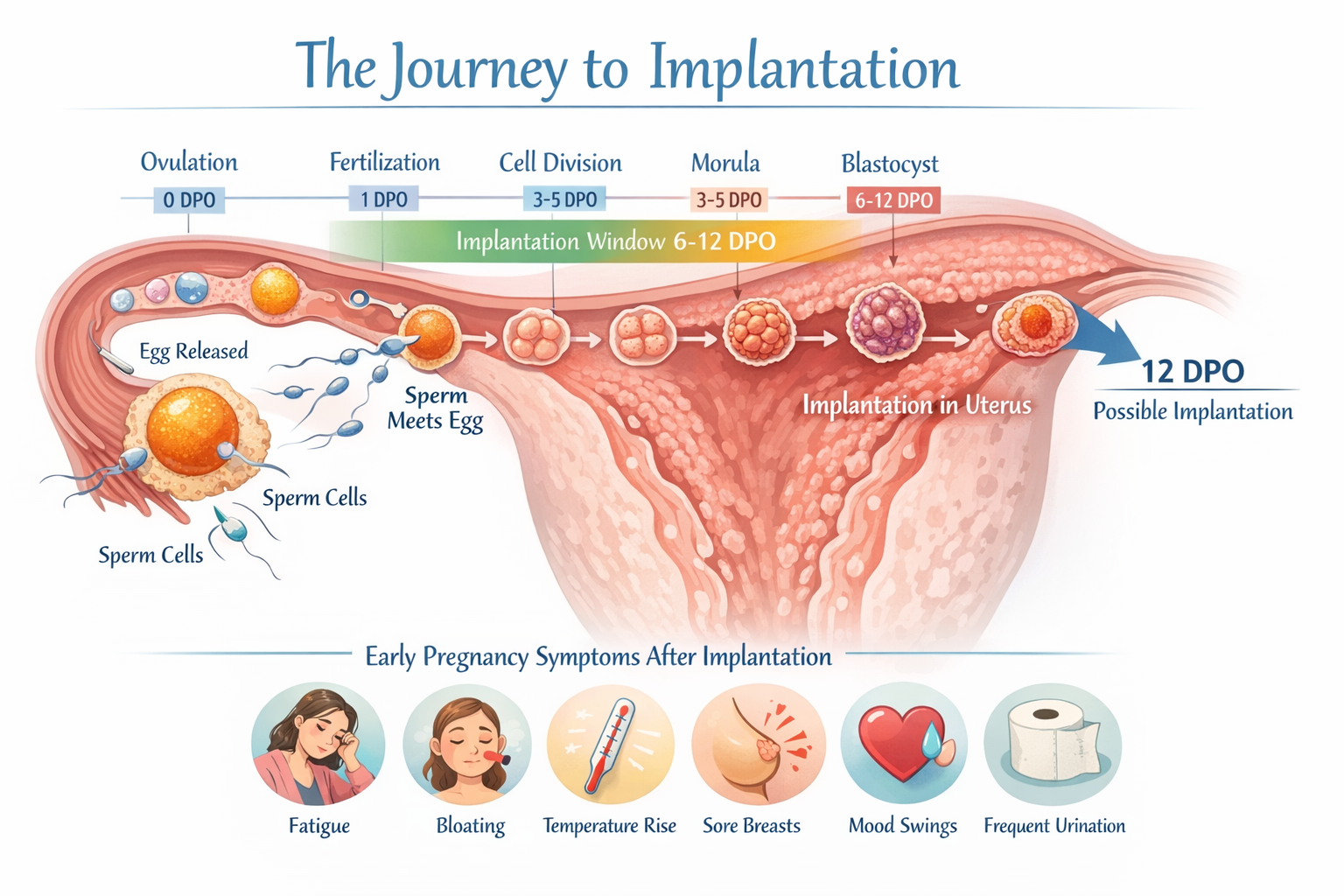
Implantation is the critical process where a fertilized egg, now a blastocyst, attaches itself to the lining of the uterus (the endometrium). This event marks the official beginning of a pregnancy. https://zsxkvszxbhpwnvzxdydv.supabase.co/storage/v1/object/public/generated-images/kie/9fec7ff2-3707-4a82-bf32-41fa53ce88fc/slot-1-1772791838308.png
Typically, implantation occurs between 6 and 10 days after ovulation (DPO). This timeframe is often referred to as the "implantation window." For example, if you ovulated on day 14 of your cycle, implantation would most commonly occur between cycle day 20 and 24. This window allows the blastocyst to fully develop and the uterine lining to be optimally receptive.
- Journey of the Egg: After ovulation, the egg is fertilized in the fallopian tube.
- Cell Division: The fertilized egg, or zygote, begins rapid cell division as it travels down to the uterus.
- Blastocyst Formation: By around 5-6 DPO, it becomes a blastocyst, a hollow ball of cells.
- Attachment: The blastocyst then "hatches" from its protective shell and burrows into the uterine lining.
While 6-10 DPO is the most common timeframe, it's important to remember that biological processes aren't always exact. Variations can and do occur, making it entirely plausible for implantation to occur outside this typical range. You can use an Implantation Calculator to estimate your own potential timing.
Can Implantation Happen at 12 DPO? The Science Behind Late Implantation
Yes, implantation can happen at 12 DPO, although it is considered to be at the later end of the normal implantation window. While the majority of successful implantations occur between 8 and 10 DPO, a significant minority can happen later, even up to 12 DPO. Research indicates that implantation beyond 10 DPO, particularly at 11 or 12 DPO, is still considered viable and can lead to a healthy pregnancy.
The timing of implantation depends on several factors, including the speed at which the fertilized egg travels through the fallopian tube, the receptivity of the uterine lining, and the developmental stage of the blastocyst. A study published in the New England Journal of Medicine in 1999 observed that implantation occurred in 84% of pregnancies by 10 DPO, but a small percentage did implant on 11 DPO (5%) and 12 DPO (2%). This data confirms that while less common, implantation at 12 DPO is a biological possibility.
Factors Influencing Implantation Timing:
- Ovulation Date Accuracy: Incorrectly determining your ovulation date can skew your DPO count. If you ovulated later than you thought, 12 DPO might actually be an earlier DPO. Tools like an Ovulation Calculator can help.
- Embryo Development Rate: Each embryo develops at its own pace.
- Uterine Receptivity: The uterine lining needs to be perfectly prepared to receive the embryo. Hormonal imbalances or certain uterine conditions can affect this.
Understanding that implantation can happen at 12 DPO is crucial for avoiding premature testing and unnecessary disappointment.
Tracking Your Cycle to Pinpoint 12 DPO
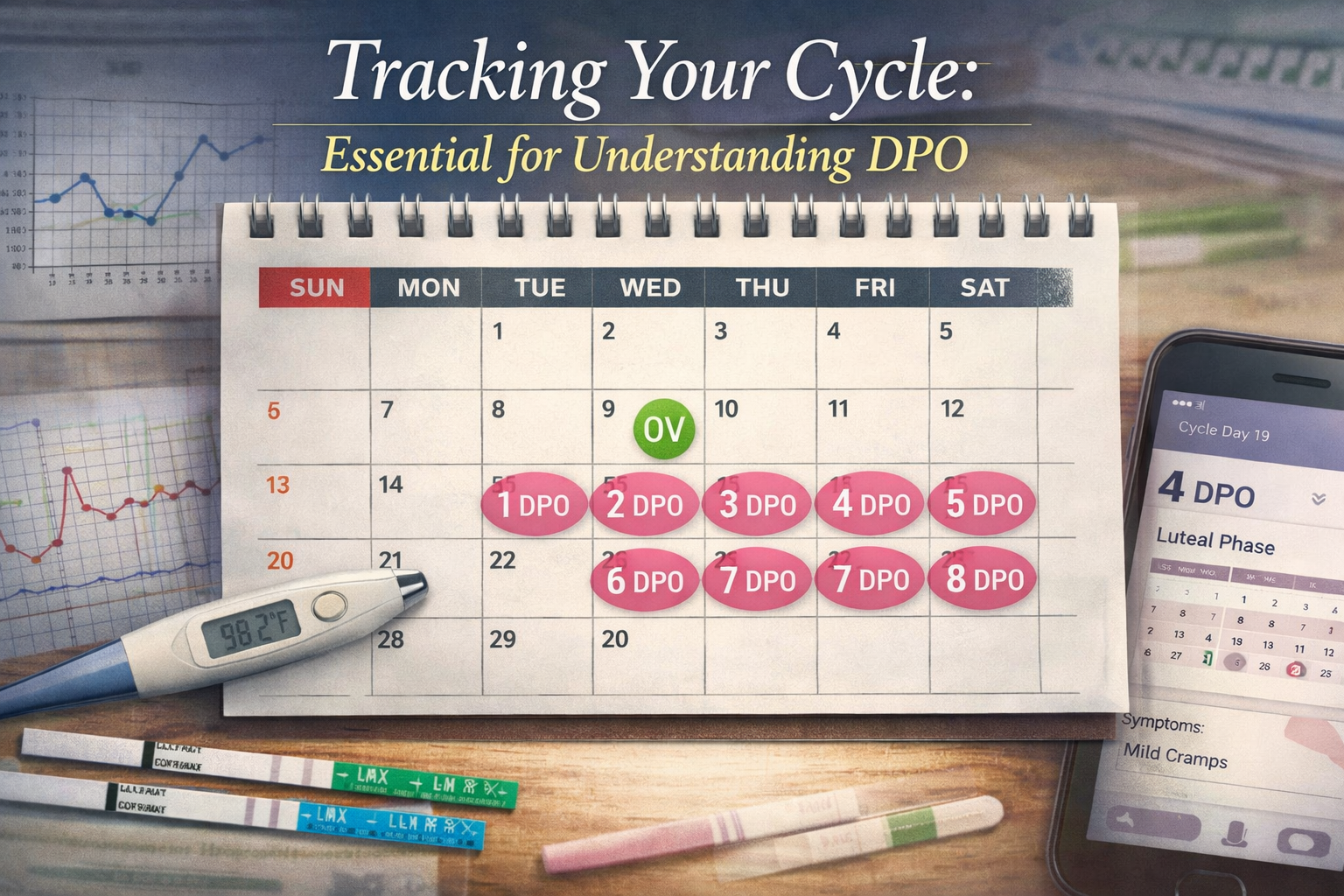
Accurately tracking your menstrual cycle and ovulation is fundamental to precisely determine 12 DPO. Without knowing your exact ovulation date, any DPO calculation is merely an estimate, which can lead to confusion about potential implantation timing. https://zsxkvszxbhpwnvzxdydv.supabase.co/storage/v1/object/public/generated-images/kie/9fec7ff2-3707-4a82-bf32-41fa53ce88fc/slot-2-1772791818557.png
To pinpoint 12 DPO, you need to identify your ovulation day. There are several reliable methods for doing this:
- Ovulation Predictor Kits (OPKs): These over-the-counter kits detect a surge in luteinizing hormone (LH), which typically precedes ovulation by 24-36 hours. A positive OPK indicates you are about to ovulate.
- Basal Body Temperature (BBT) Charting: Your BBT rises slightly (0.5-1.0 degrees Fahrenheit) after ovulation and remains elevated until your next period. Tracking BBT daily allows you to identify this sustained rise, confirming ovulation retroactively. You can use a BBT Chart Tool to help.
- Cervical Mucus Monitoring: Changes in cervical mucus consistency (becoming clear, stretchy, and resembling egg whites) often indicate your most fertile window and impending ovulation.
- Fertility Trackers/Apps: Many apps can help you log your data from OPKs, BBT, and cervical mucus, providing predictions and insights into your cycle. An AI Ovulation Predictor can offer advanced insights.
Example Calculation:
Let's say you got a positive OPK on March 1st, 2026, indicating ovulation likely occurred on March 2nd, 2026.
- March 2nd: Ovulation Day (0 DPO)
- March 3rd: 1 DPO
- ...
- March 14th: 12 DPO
By diligently tracking, you can remove much of the guesswork from the waiting period.
Early Pregnancy Symptoms at 12 DPO (and Why They Can Be Tricky)

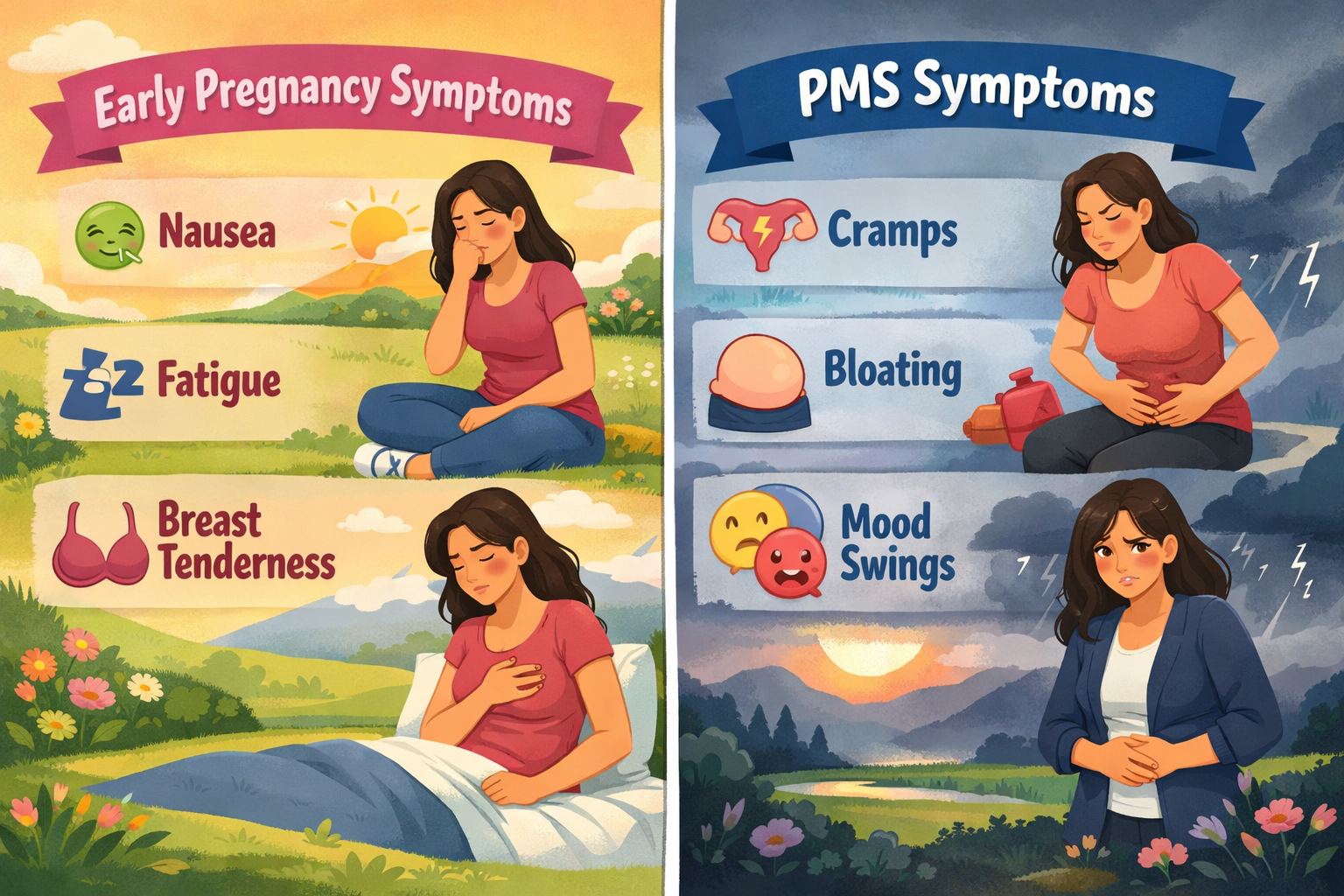
At 12 DPO, if implantation has successfully occurred, some individuals may begin to experience very subtle early pregnancy symptoms. However, it's important to approach these symptoms with caution, as they often overlap significantly with common premenstrual syndrome (PMS) symptoms. This overlap can make it challenging to differentiate between early pregnancy and an impending period. https://zsxkvszxbhpwnvzxdydv.supabase.co/storage/v1/object/public/generated-images/kie/9fec7ff2-3707-4a82-bf32-41fa53ce88fc/slot-3-1772791814000.png
Here's a breakdown of common symptoms that might appear at 12 DPO:
- Light Spotting (Implantation Bleeding): This is typically very light, pink or brown spotting that occurs around the time of implantation, which could be 12 DPO. It's usually much lighter and shorter than a regular period.
- Mild Cramping: Some women report mild uterine cramping, similar to menstrual cramps but usually less intense, during implantation.
- Breast Tenderness: Hormonal changes can lead to sensitive, sore, or swollen breasts.
- Fatigue: Increased progesterone levels early in pregnancy can cause feelings of tiredness and exhaustion.
- Nausea or Food Aversions: While often associated with morning sickness later on, some women experience very mild nausea or changes in appetite early on.
- Increased Urination: Hormonal changes can increase blood flow to the kidneys, leading to more frequent trips to the bathroom.
- Mood Swings: Hormonal fluctuations can also cause emotional changes, similar to PMS.
Why Symptoms are Tricky:
Many of these symptoms—such as cramping, breast tenderness, fatigue, and mood swings—are also very common signs of PMS. Progesterone, which rises after ovulation regardless of pregnancy, is responsible for many of these symptoms. If implantation has just occurred at 12 DPO, hCG levels (the pregnancy hormone) might still be very low, making definitive symptoms less likely or harder to distinguish. For a comprehensive overview, you can check out an Early Pregnancy Symptoms Checker.
When to Take a Pregnancy Test if Implantation Happens at 12 DPO
If implantation occurs at 12 DPO, it is generally recommended to wait at least 2-3 days after implantation before taking a highly sensitive home pregnancy test. This waiting period allows enough time for the human chorionic gonadotropin (hCG) hormone, produced by the implanted embryo, to rise to detectable levels in your urine. https://zsxkvszxbhpwnvzxdydv.supabase.co/storage/v1/object/public/generated-images/kie/9fec7ff2-3707-4a82-bf32-41fa53ce88fc/slot-4-1772791830575.png
Taking a test too early, even with a sensitive test, after a late implantation at 12 DPO could result in a false negative, leading to unnecessary disappointment.
Testing Timeline Recommendations:
- If Implantation at 12 DPO: Wait until at least 14 DPO, or ideally, around the day your period is due (which is often around 14 DPO in a typical 28-day cycle), to take a pregnancy test.
- Sensitivity of Tests: "Early detection" pregnancy tests can often detect hCG levels as low as 10-25 mIU/mL. However, hCG levels double approximately every 48-72 hours. If implantation happens at 12 DPO, your hCG levels might just be starting to rise.
- First Morning Urine: Use your first morning urine for testing, as it is the most concentrated and will have the highest level of hCG if you are pregnant.
| Implantation Date | Earliest Recommended Test Date (DPO) | Optimal Test Date (DPO) | Why Wait? |
|---|---|---|---|
| 6-10 DPO | 10 DPO | 12-14 DPO | Allows hCG to build up, reduces false negatives. |
| 11 DPO | 13 DPO | 14-15 DPO | Gives hCG 2-3 days to reach detectable levels after later implantation. |
| 12 DPO | 14 DPO | 15-16 DPO | Essential to allow sufficient hCG rise after late implantation for accurate results. |
While the wait can be agonizing, patience significantly increases the accuracy of home pregnancy tests, particularly when dealing with the possibility of late implantation. If you're experiencing a late period, a Period Delay Calculator can offer some insights.
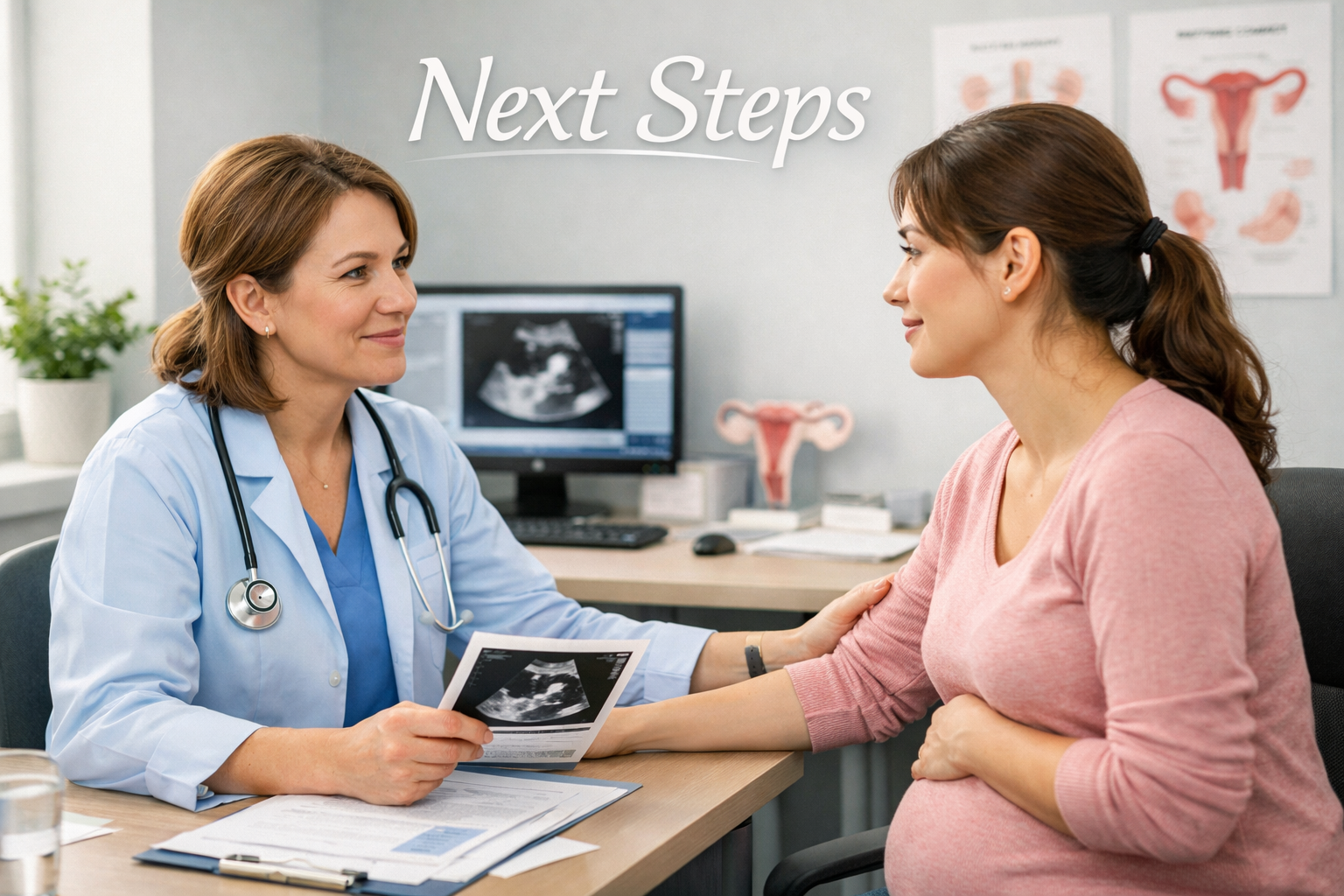
What to Do Next: Confirmation and Next Steps
If you suspect implantation has happened at 12 DPO and subsequently get a positive home pregnancy test result, the most crucial next step is to confirm the pregnancy with a healthcare professional. A positive home test is a strong indicator, but medical confirmation provides certainty and initiates important prenatal care. https://zsxkvszxbhpwnvzxdydv.supabase.co/storage/v1/object/public/generated-images/kie/9fec7ff2-3707-4a82-bf32-41fa53ce88fc/slot-5-1772791806972.png
Steps to Take After a Positive Home Pregnancy Test:
- Schedule a Doctor's Appointment: Contact your primary care physician or an obstetrician/gynecologist to schedule an appointment. Inform them that you've had a positive home pregnancy test.
- Blood Test Confirmation: Your doctor will likely order a blood test to measure your hCG levels. Blood tests are more sensitive than urine tests and can detect pregnancy earlier and provide a quantitative measure of hCG, which helps in dating the pregnancy and monitoring its progression.
- Discuss Your Cycle History: Be prepared to share information about your last menstrual period, ovulation tracking, and any symptoms you've experienced. This helps the doctor estimate your due date.
- Early Prenatal Care: Once confirmed, your doctor will discuss the next steps for prenatal care, including future appointments, screenings, and lifestyle recommendations. This may include advising on prenatal vitamins, diet, and avoiding certain medications.
- Manage Expectations: Remember that late implantation, while perfectly normal, can sometimes mean your pregnancy is a few days behind what a standard pregnancy calculator might suggest based on your last menstrual period. Your doctor will provide the most accurate dating.
It's natural to feel a mix of excitement and anxiety after a positive test, especially if you've been monitoring your cycle closely and noted a potential late implantation at 12 DPO. Leaning on your healthcare provider for guidance is the best way forward.
Conclusion
The question, "Can implantation happen at 12 DPO?" is one many individuals trying to conceive ask, and the answer is a resounding yes. While most embryos implant between 6 and 10 DPO, a small but significant percentage can successfully implant at 11 or 12 DPO, leading to healthy pregnancies. This later timing is a crucial consideration when interpreting early pregnancy test results, as testing too soon after late implantation can lead to frustrating false negatives.
Understanding your unique cycle through methods like ovulation predictor kits and basal body temperature charting is paramount for accurately pinpointing your DPO and managing your expectations regarding implantation and testing. If you suspect late implantation and subsequently get a positive pregnancy test, the next critical step is to seek medical confirmation from a healthcare professional. They can confirm the pregnancy, provide accurate dating, and guide you through the exciting journey of prenatal care. Remember, patience and accurate tracking are your best allies during the two-week wait.
FAQ
What does 12 DPO mean?
12 DPO means 12 days post-ovulation, referring to the number of days that have passed since ovulation occurred.
Is 12 DPO too late for implantation?
No, 12 DPO is not too late for implantation. While it's on the later side of the typical 6-10 DPO window, successful implantation can occur at 11 or 12 DPO and lead to a healthy pregnancy.
If implantation happens at 12 DPO, when can I get a positive pregnancy test?
If implantation occurs at 12 DPO, you would typically need to wait at least 2-3 days for hCG levels to rise to a detectable level. Therefore, you might get a positive test around 14 DPO or later.
Can I have no symptoms at 12 DPO and still be pregnant?
Yes, it is entirely possible to be pregnant at 12 DPO and experience no noticeable symptoms. Early pregnancy symptoms vary greatly among individuals and may not appear until later.
What are the chances of a positive pregnancy test at 12 DPO?
If implantation has occurred by 12 DPO, your chances of a positive test at 12 DPO are moderate to high with a sensitive test. However, waiting until 14 DPO improves accuracy, especially if implantation was on the later side.
Is implantation bleeding common at 12 DPO?
Implantation bleeding can occur around the time of implantation, which could be 12 DPO. However, it's not experienced by all pregnant individuals and can be easily mistaken for light menstrual spotting.
Does late implantation mean higher risk of miscarriage?
Current research suggests that while very late implantation (after 12 DPO) might be associated with a slightly higher risk of early miscarriage, implantation at 12 DPO itself is generally considered within the viable range for a healthy pregnancy.
What should I do if I get a negative test at 12 DPO but still think I might be pregnant?
If you get a negative test at 12 DPO but haven't started your period, wait a few more days (e.g., until 14-16 DPO) and retest. If your period is significantly late and tests remain negative, consult your doctor.
Sources
- Wilcox, A. J., Baird, D. D., & Weinberg, C. R. (1999). Time of implantation of the conceptus and loss of pregnancy. The New England Journal of Medicine, 340(23), 1796-1799. https://www.nejm.org/doi/full/10.1056/NEJM199906103402304