The journey from conception to a confirmed pregnancy is a fascinating and intricate process, often shrouded in mystery for those trying to conceive. One of the most critical, yet often unseen, steps in this journey is implantation. Understanding when does implantation occur after ovulation is key to recognizing early signs of pregnancy and timing pregnancy tests effectively. It's a question many ask, and the timing can be a source of both hope and anxiety.
Key Takeaways
- Implantation typically occurs 6 to 12 days after ovulation, with the most common window being 8 to 10 days post-ovulation.
- This process involves the fertilized egg, now a blastocyst, attaching to the uterine lining (endometrium).
- Timing is crucial; the uterine lining must be receptive, and the embryo must be healthy.
- Implantation bleeding, if it occurs, is usually light spotting and happens around the same time implantation takes place.
- Early pregnancy symptoms can begin shortly after successful implantation due to rising hormone levels, particularly hCG.
- Tracking ovulation accurately is essential for pinpointing the potential implantation window.
- A home pregnancy test detects hCG, which starts being produced after implantation, typically becoming reliable about 12-14 days after ovulation.
Quick Answer
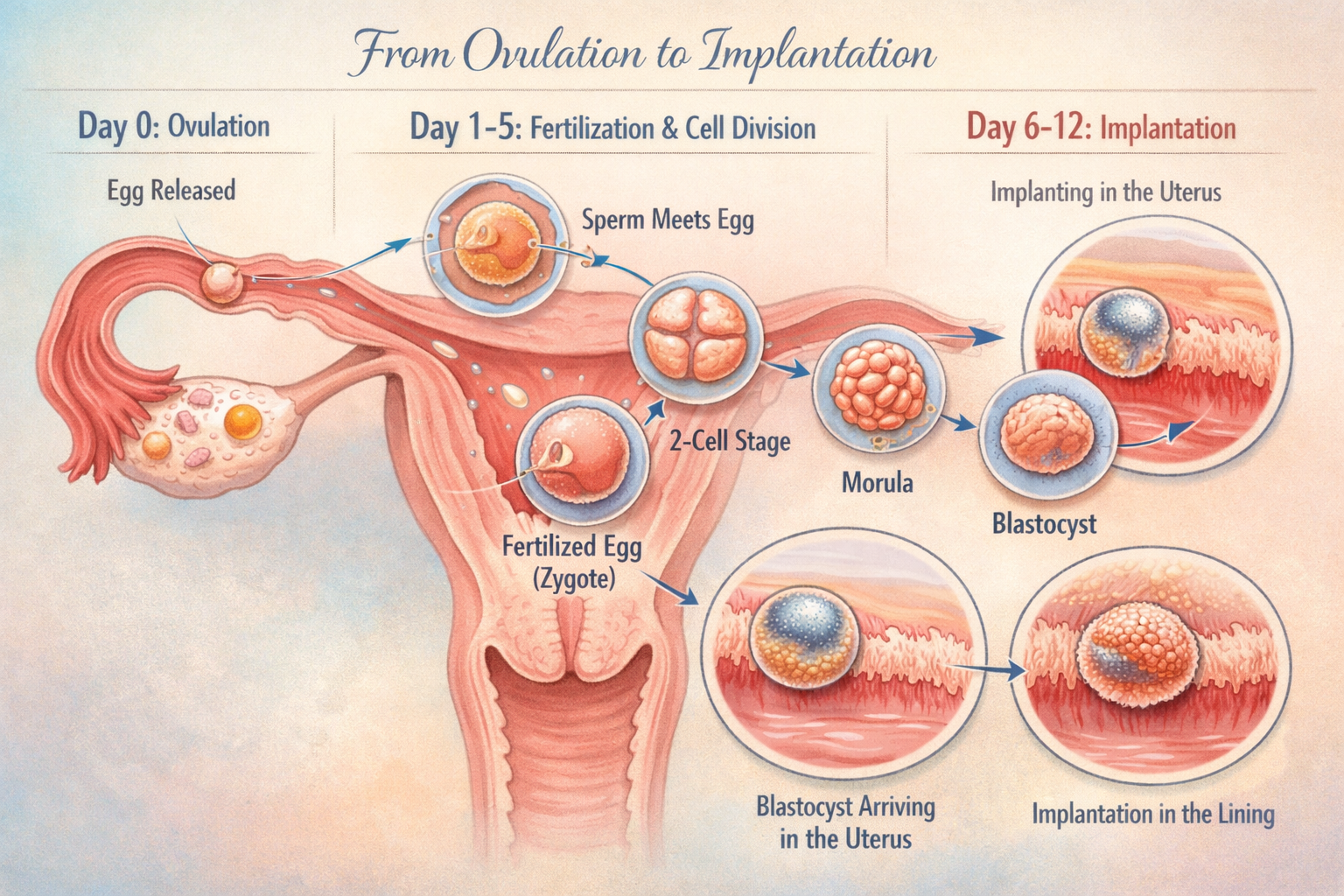
Implantation, the crucial step where a fertilized egg attaches to the uterine wall, generally occurs 6 to 12 days after ovulation. This process typically peaks around 8 to 10 days post-ovulation. The exact timing can vary slightly from person to person and cycle to cycle, depending on factors such as embryo development speed and the receptivity of the uterine lining.
The Journey from Ovulation to Implantation
Implantation is the process by which a fertilized egg, now a developing embryo, embeds itself into the endometrial lining of the uterus. This event is absolutely essential for a pregnancy to continue.
Following ovulation, an egg is released from the ovary into the fallopian tube. If sperm are present, fertilization can occur within 12-24 hours after ovulation. Once fertilized, the egg begins a rapid series of cell divisions while traveling down the fallopian tube towards the uterus. This journey typically takes about 3 to 5 days.
Stages of Early Embryonic Development:
- Day 0 (Ovulation): Egg released. Fertilization occurs within hours.
- Day 1-2 (Cleavage): The fertilized egg (zygote) begins dividing into 2, 4, then 8 cells.
- Day 3-4 (Morula): The embryo becomes a solid ball of 16-32 cells, resembling a mulberry.
- Day 5-6 (Blastocyst): The morula develops into a blastocyst, a hollow ball of cells with an inner cell mass (which will become the fetus) and an outer layer (trophoblast, which will form the placenta).
- Day 6-12 (Implantation): The blastocyst reaches the uterus and begins to attach to the uterine wall.

Once the blastocyst reaches the uterus, it needs to "hatch" from its protective outer layer (zona pellucida) before it can adhere to the endometrium. This hatching typically happens around day 6-7 post-fertilization. The trophoblast cells then begin to penetrate the uterine lining, establishing a connection that will eventually lead to the formation of the placenta. This embedding process is what we call implantation.
Pinpointing the Implantation Window: When Does Implantation Occur After Ovulation?
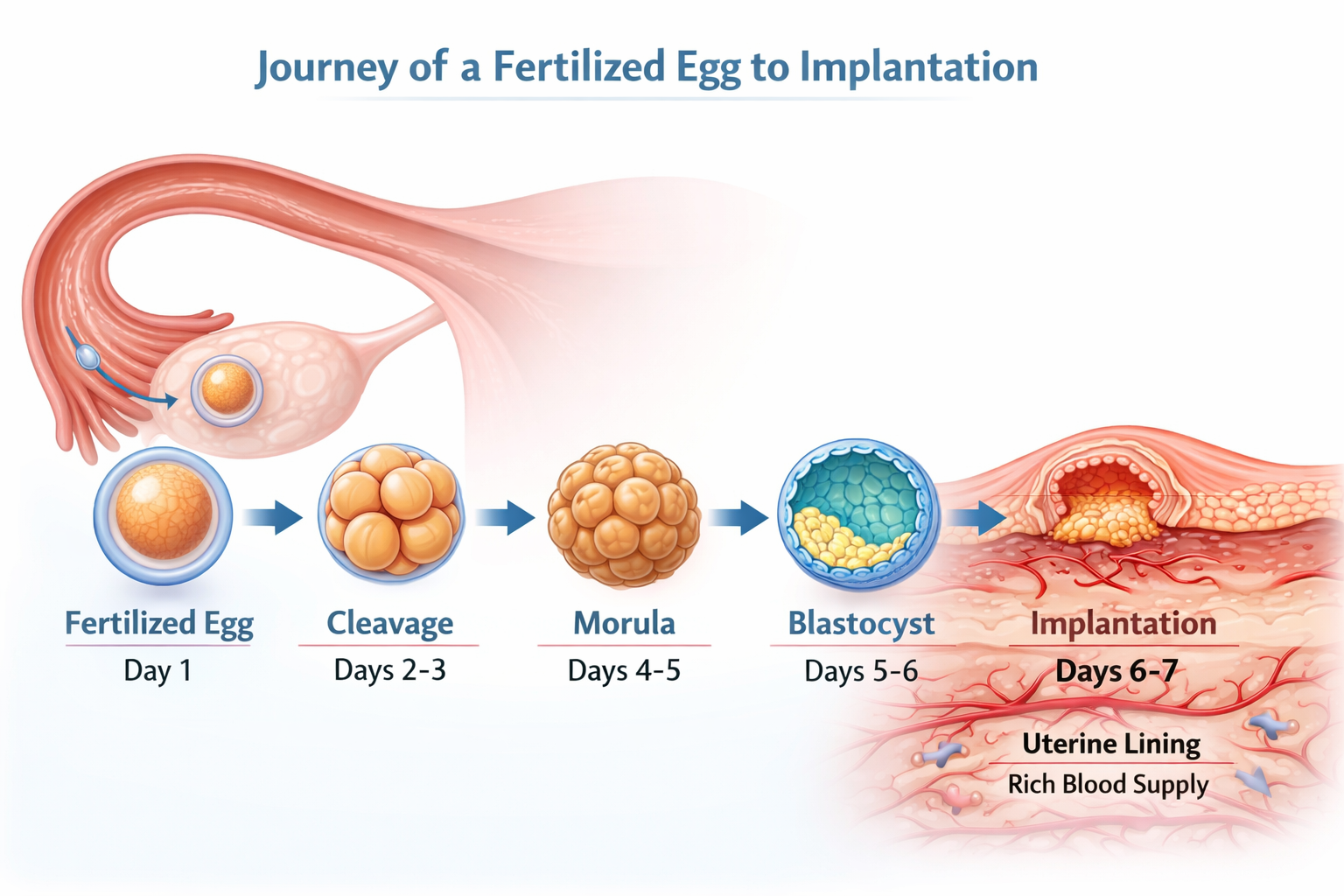
The most common timeframe for implantation is between day 8 and day 10 after ovulation. However, it can range from as early as 6 days to as late as 12 days post-ovulation. This 6-to-12-day window is when the uterine lining is typically most receptive, a state known as the "implantation window."
Accurately knowing your ovulation date is paramount to estimating your implantation window. Tools like an Implantation Calculator | When Will Embryo Implant After Ovulation can help estimate this based on your ovulation day. If you have late ovulation, the timing of implantation will also shift later in your cycle. For insights into this, you might explore resources on Late Ovulation: Chances, Timing, & Implantation Success.
Factors Influencing Implantation Timing:
- Speed of Embryo Development: Some embryos develop slightly faster or slower than average.
- Fallopian Tube Transit Time: The journey down the fallopian tube can vary in length.
- Uterine Receptivity: The endometrium must be at the optimal stage of development for the blastocyst to attach. This is primarily influenced by hormone levels (estrogen and progesterone).
For example, if you ovulate on day 14 of a 28-day cycle, you could expect implantation to occur roughly between cycle days 20 and 26. If it happens on day 8-10 post-ovulation, your body would start producing detectable levels of hCG around day 10-12 post-ovulation.
Understanding the Implantation Process
The implantation process is a complex biological event that requires precise synchronization between the developing embryo and the mother's uterine lining. It begins when the blastocyst makes contact with the endometrium, and progresses through several stages: apposition, adhesion, and invasion.
- Apposition: The blastocyst aligns itself next to the uterine wall. This is a loose attachment.
- Adhesion: The outer layer of the blastocyst (trophoblast) firmly attaches to the endometrial cells. This is a stronger bond, allowing the blastocyst to anchor itself.
- Invasion: The trophoblast cells then begin to penetrate and burrow into the uterine lining, establishing a deeper connection. This process remodels the local blood vessels, creating the foundation for the placenta, which will nourish the growing fetus.

This invasion is crucial for successful pregnancy. Without adequate implantation, the embryo cannot receive the necessary nutrients and oxygen from the mother's blood supply. The entire process of embedding fully can take several days. Once complete, the body begins to produce human chorionic gonadotropin (hCG), the hormone detected by pregnancy tests.
Signs and Symptoms of Implantation
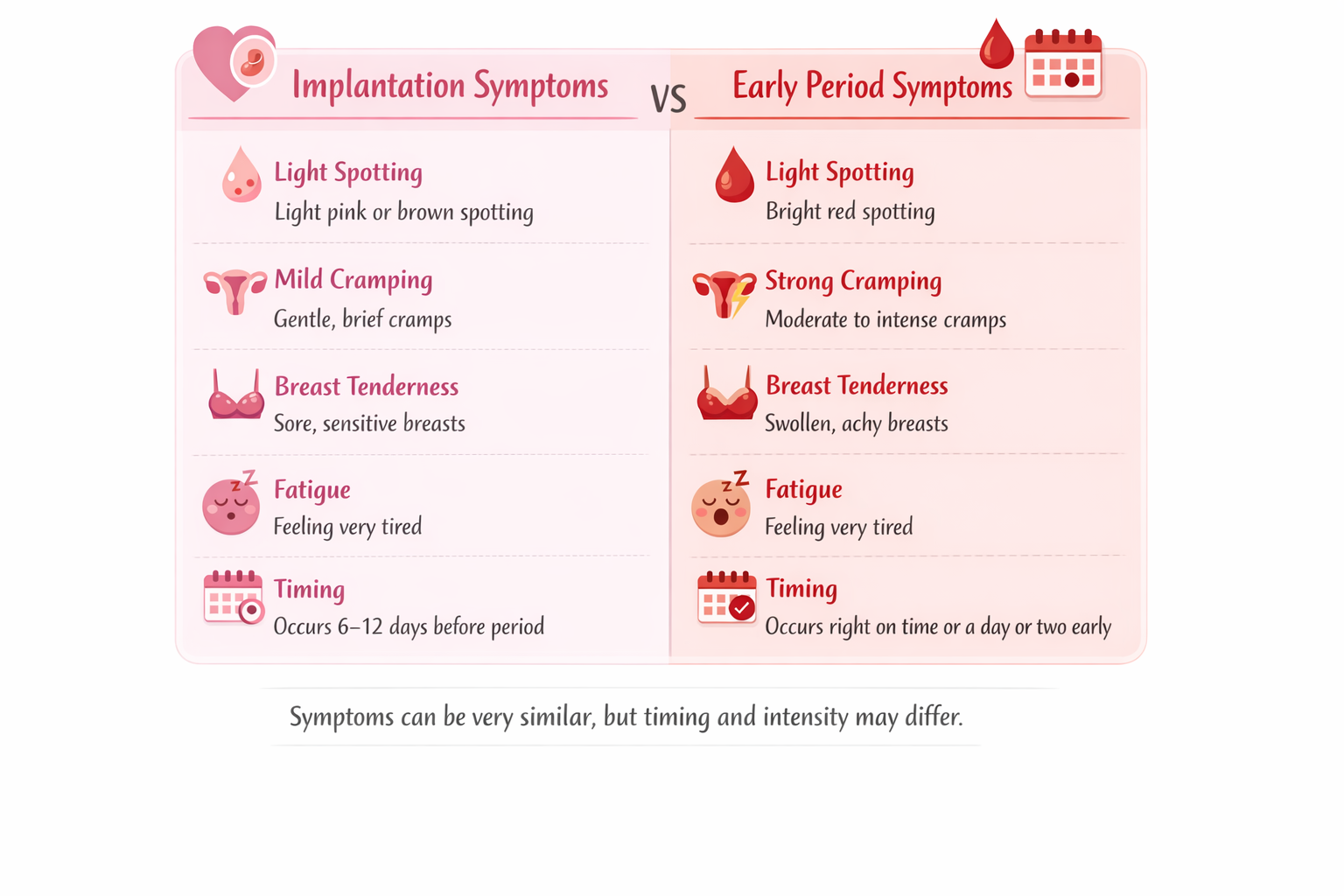
While many people experience no noticeable symptoms during implantation, some might observe subtle signs. It's important to remember that these symptoms can also be similar to those experienced before a menstrual period, making them difficult to interpret definitively.
Common Potential Implantation Symptoms:
- Implantation Bleeding: This is often the most talked-about sign. It's typically very light spotting—pinkish or brownish—and lasts only a day or two. It occurs when the embryo burrows into the uterine lining, disturbing tiny blood vessels. It is much lighter and shorter than a regular period.
- Mild Cramping: Some individuals report mild, period-like cramping around the time of implantation. This is usually less intense than menstrual cramps.
- Breast Tenderness: Hormonal changes, particularly the rise in progesterone after ovulation, can lead to sensitive or sore breasts.
- Fatigue: The sudden increase in progesterone and the body working to establish a pregnancy can cause unusual tiredness.
- Nausea: While morning sickness usually starts later, some might experience very mild nausea or heightened sensitivity to smells early on.
- Increased Basal Body Temperature (BBT): Some women notice a sustained rise in their BBT after ovulation, and a secondary rise or "implantation dip" followed by a continued rise can sometimes indicate implantation, though this is not a universal sign. You can track this with a BBT Chart Tool | Track Your Basal Body Temperature for Ovulation.
Implantation Symptoms vs. Early Period Symptoms:
It can be challenging to distinguish between early pregnancy symptoms and premenstrual syndrome (PMS). Here's a brief comparison:
| Symptom | Implantation (Potential) | Early Period (Typical) |
|---|---|---|
| Bleeding | Light spotting, pink/brown, short (1-2 days) | Heavier flow, bright red, lasts longer (3-7 days) |
| Cramping | Mild, dull ache, less intense | More intense, constant, usually starts before or with period |
| Breast Tenderness | Can be present, often continues to increase | Can be present, usually subsides when period starts |
| Fatigue | Persistent, due to hormonal shifts | Can be present, but often eases when period starts |
| Nausea | Possible, mild, rare at this stage | Usually not a typical PMS symptom |

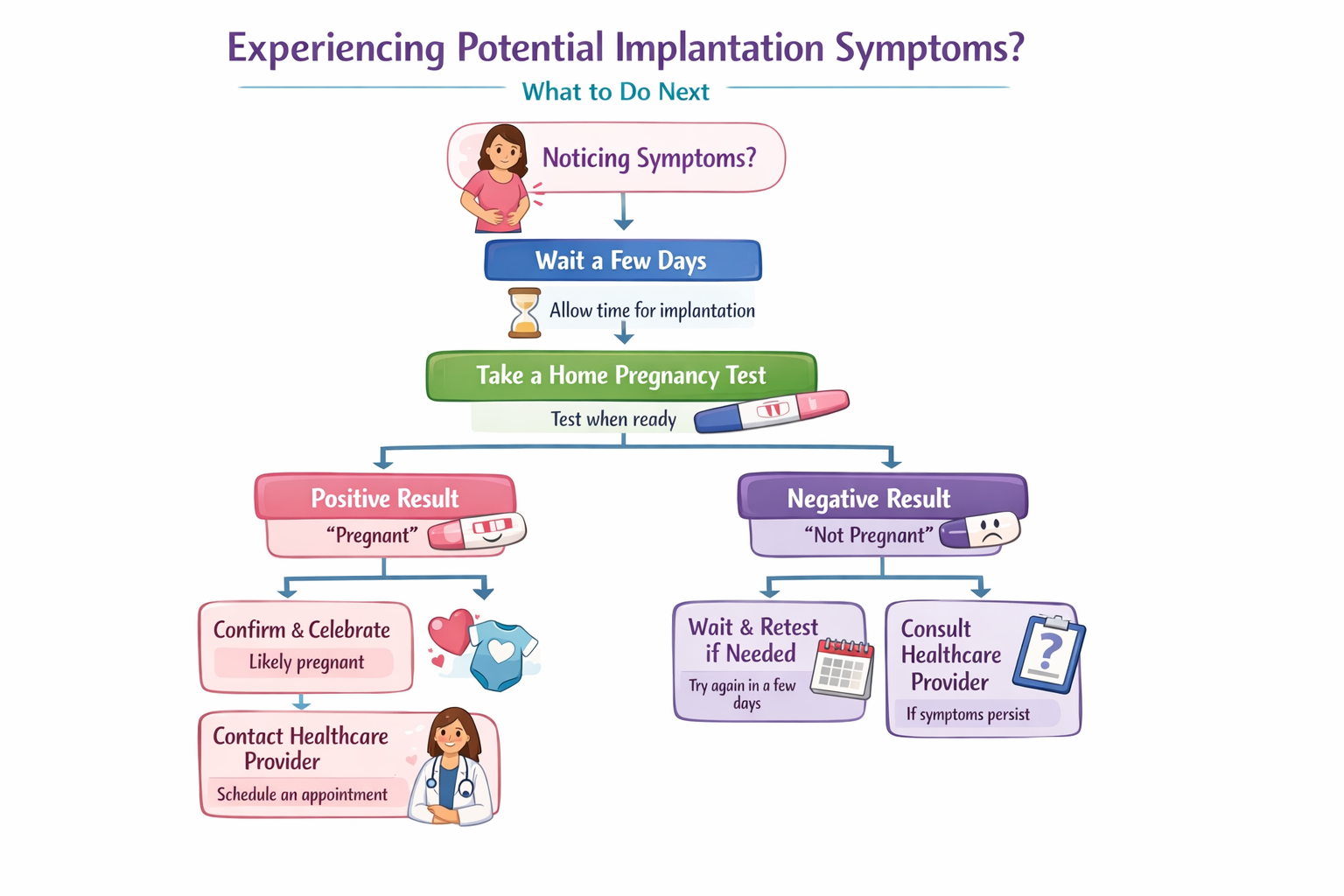
If you're tracking your cycle and notice these subtle signs, it might prompt you to consider taking a pregnancy test. However, waiting until hCG levels are high enough for a reliable result is often best.
What Influences Implantation Success?
Successful implantation is not guaranteed even after fertilization. Several factors contribute to whether an embryo successfully embeds itself into the uterine lining.
Key Factors Affecting Implantation:
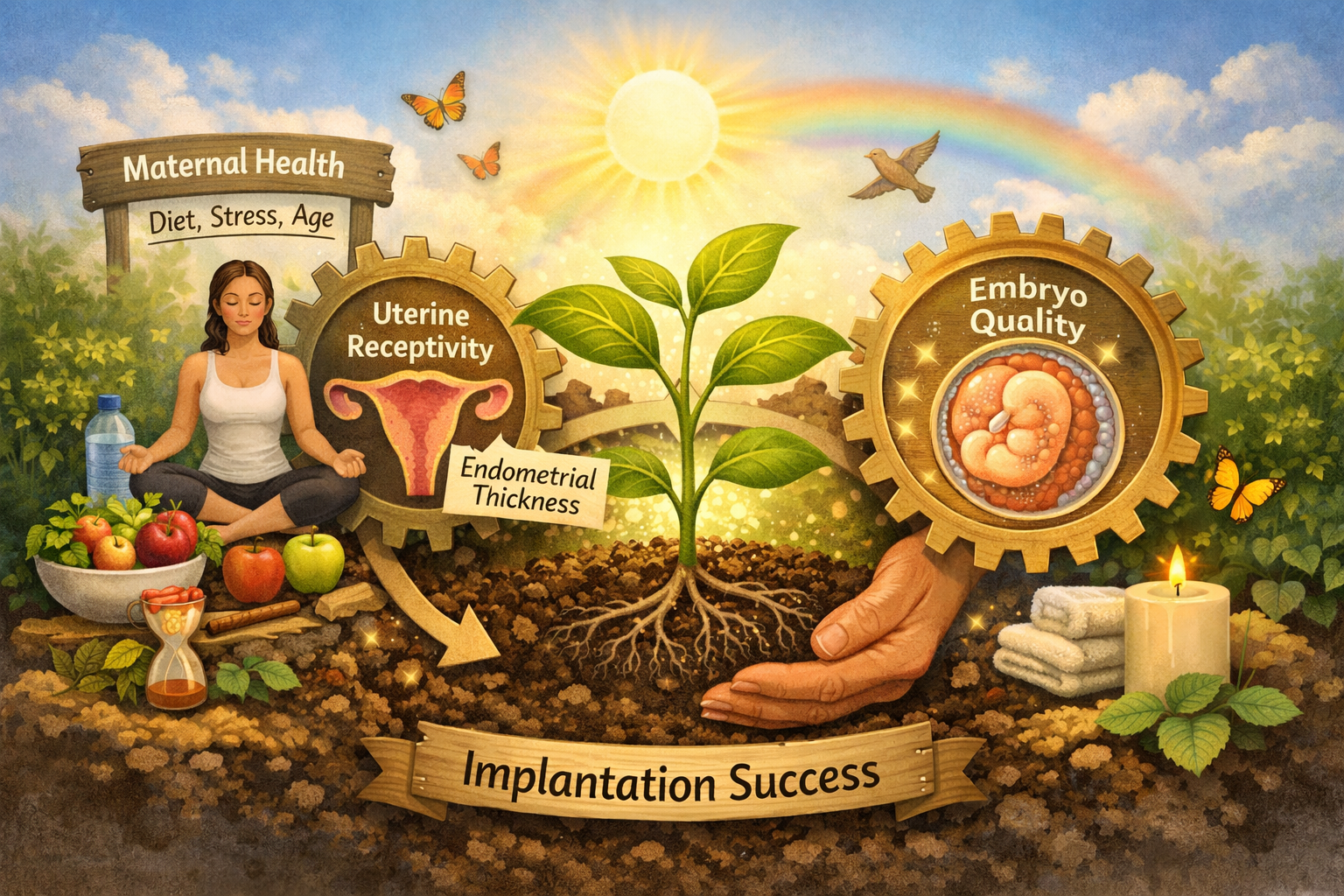
- Embryo Quality: The health and genetic viability of the embryo are paramount. Embryos with chromosomal abnormalities are less likely to implant successfully.
- Uterine Receptivity: The uterine lining (endometrium) must be sufficiently thick and hormonally prepared to accept the embryo. Progesterone, produced after ovulation, plays a critical role in this preparation. An optimal endometrial thickness is generally considered to be between 8 and 14 mm.
- Hormonal Balance: Proper levels of estrogen and progesterone are essential throughout the cycle to prepare the uterus and support early pregnancy. Imbalances can hinder implantation.
- Maternal Health: Overall maternal health, including factors like age, lifestyle (smoking, excessive alcohol), chronic health conditions (e.g., uncontrolled diabetes, thyroid issues), and stress levels, can impact implantation success.
- Uterine Health: Structural issues within the uterus, such as fibroids, polyps, or scar tissue, can physically interfere with implantation.
- Immune System: In some cases, the mother's immune system might mistakenly attack the embryo, preventing implantation.

For individuals undergoing fertility treatments like IVF, embryo quality and uterine receptivity are carefully monitored and optimized. Even with these interventions, implantation rates are not 100%, highlighting the delicate nature of this biological process. Maintaining a healthy lifestyle, managing stress, and addressing any underlying health concerns can optimize the environment for successful implantation.
Next Steps After Implantation
Once implantation is complete, the body begins a cascade of hormonal changes that support the developing pregnancy. The most significant of these is the production of human chorionic gonadotropin (hCG), often referred to as the "pregnancy hormone."
What Happens After Implantation:
- hCG Production: The trophoblast cells, which are part of the implanted embryo, start producing hCG. This hormone signals to the mother's body that a pregnancy has occurred, preventing the breakdown of the uterine lining and stimulating the continued production of progesterone.
- Detection by Pregnancy Tests: Home pregnancy tests work by detecting hCG in urine. Blood tests can detect hCG even earlier and in smaller quantities.
- Early Pregnancy Symptoms Intensify: As hCG and progesterone levels rise, early pregnancy symptoms such as morning sickness, fatigue, and breast tenderness often become more pronounced.
- Formation of the Placenta: The implanted embryo continues to develop, and the cells that invaded the uterine lining will eventually form the placenta, which takes over the role of nourishing the fetus and producing hormones.
When to Take a Pregnancy Test:
- Earliest Detection: A highly sensitive home pregnancy test or a blood test can potentially detect hCG as early as 10 days after ovulation (or 4 days before a missed period), but results are less reliable at this stage.
- Most Reliable: For the most accurate results, it's generally recommended to take a home pregnancy test on or after the day of your expected period. By this time, implantation has typically occurred, and hCG levels should be high enough for detection.
- If you get a negative result but still suspect pregnancy: Wait a few days and retest, especially if your period hasn't started. hCG levels double approximately every 48-72 hours in early pregnancy.

Understanding when implantation occurs after ovulation helps to manage expectations around testing. An Implantation Date Calculator – Estimate Implantation Timing Accurately can provide a useful guide. If you have been tracking your cycle with tools like our Easy Ovulation Calculator | Find Your Most Fertile Days Fast, you'll have a better idea of when to look for these crucial signs and when to take that all-important test.
Conclusion
Understanding when does implantation occur after ovulation is a fundamental piece of knowledge for anyone trying to conceive. While the process itself is microscopic and often goes unnoticed, its timing—typically 6 to 12 days post-ovulation—is critical for the establishment of a pregnancy and for accurately interpreting early signs and pregnancy test results.
By tracking your ovulation and being aware of the subtle potential symptoms of implantation, you can gain valuable insight into your body's journey. Remember that while symptoms like light spotting or mild cramping can be suggestive, a positive pregnancy test, taken at the appropriate time, remains the most reliable indicator of pregnancy. If you have concerns about your fertility or the timing of implantation, always consult with a healthcare professional.
FAQ
Q1: Can implantation happen before 6 days after ovulation?
A1: Implantation rarely occurs before 6 days after ovulation. The embryo typically needs 5-6 days to travel to the uterus and develop into a blastocyst before it can begin to implant.
Q2: Is it possible to feel implantation?
A2: Some people report feeling mild cramping or a sensation, often described as a twinge, around the time of implantation. However, many feel nothing at all, and these sensations are not a definitive sign of pregnancy.
Q3: How long after implantation can I get a positive pregnancy test?
A3: You can typically get a positive pregnancy test about 2-4 days after successful implantation, as hCG levels need time to rise enough to be detected. This usually means waiting until about 12-14 days after ovulation for the most reliable results.
Q4: Does implantation bleeding always occur?
A4: No, implantation bleeding does not always occur. Only about 15-25% of pregnant individuals experience implantation bleeding, so its absence does not mean you are not pregnant.
Q5: What if implantation occurs late?
A5: While implantation can occur as late as 12 days after ovulation, late implantation might carry a slightly higher risk of early miscarriage. However, many healthy pregnancies result from later implantation.
Q6: Can stress affect implantation?
A6: High stress levels can potentially impact hormonal balance, which in turn might affect uterine receptivity and overall implantation success. Managing stress through healthy coping mechanisms is generally recommended.
Q7: What is the role of progesterone in implantation?
A7: Progesterone is crucial for preparing the uterine lining (endometrium) to be receptive to the embryo. It thickens the lining and makes it rich in nutrients, creating an ideal environment for implantation.
Sources
- American College of Obstetricians and Gynecologists (ACOG). (2026). Early Pregnancy.
- National Institute of Child Health and Human Development (NICHD). (2026). Understanding Pregnancy.